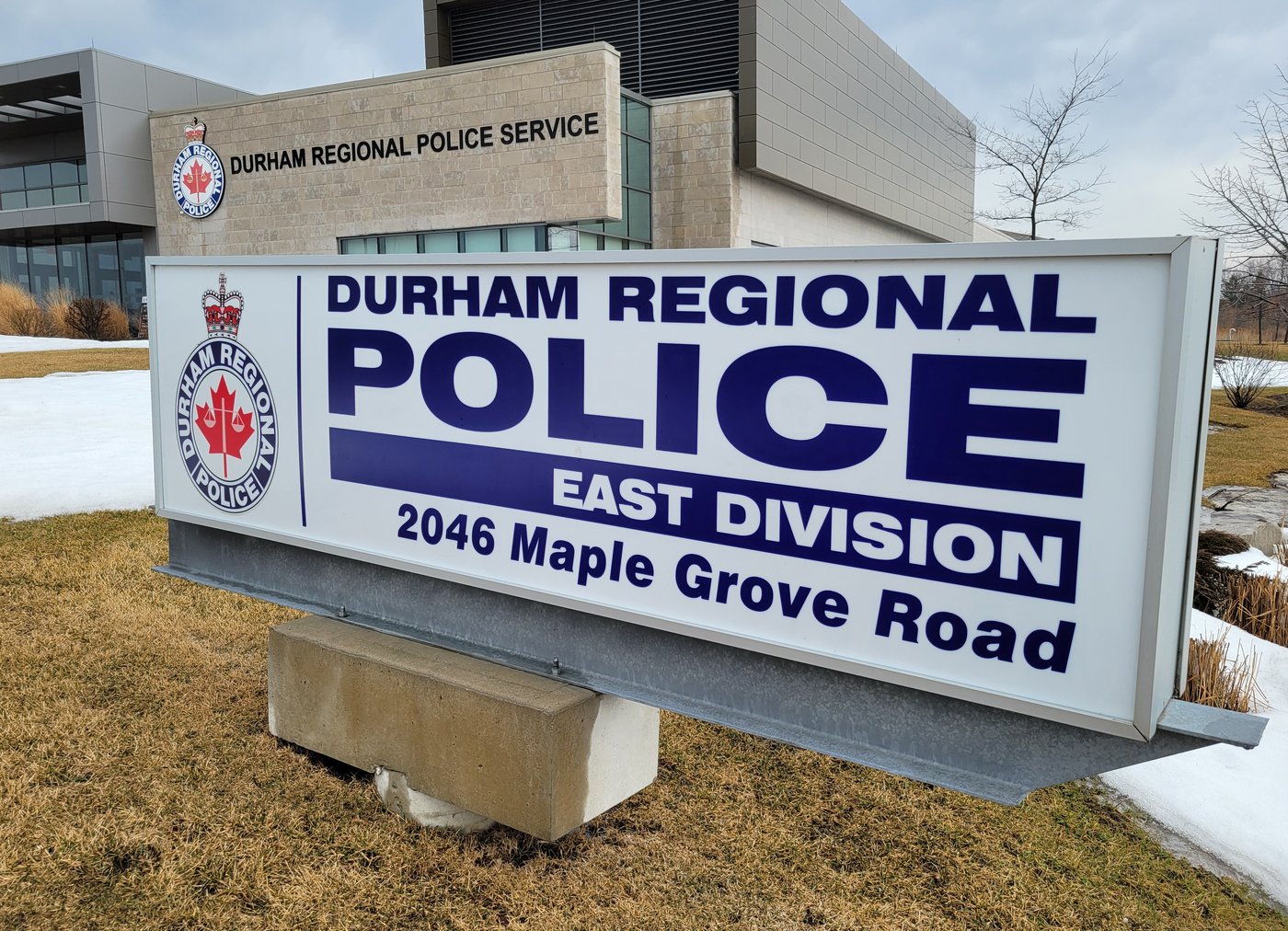
Durham police officers conducting a retail theft crackdown operation, focusing on high-theft areas like the LCBO.
Image: CityNews Toronto
In a significant move to combat retail theft, Durham police have announced the arrest of 64 individuals and laid 155 charges following a five-week initiative. Running from November 10 to December 16, the operation targeted high-theft locations across the Durham region, including the LCBO. The east division community response unit, alongside front-line officers and the LCBO resource protection unit, maintained a high visible presence to deter criminal activities. This initiative highlights ongoing efforts to protect businesses and ensure public safety in Durham.
"Retail theft not only affects businesses but also the community at large, as it can drive up prices and create a less secure shopping environment."
Legal Perspective: Understanding the broader impact of retail theft emphasizes the importance of legal measures to protect both businesses and consumers.
Key Takeaways
64 arrests made in Durham retail theft crackdown
155 charges laid, including 38 breach-related offences
Initiative focused on high-theft areas like the LCBO
What This Means for Ontario Residents
For Ontario residents, especially those in the Durham region, this crackdown signifies a concerted effort to curb retail theft, which can have wide-reaching implications for local businesses and consumer prices. Increased security and law enforcement presence may provide a sense of safety for shoppers and business owners alike. However, it also raises questions about the legal processes involved when accused of such crimes, emphasizing the importance of understanding your rights and responsibilities. For those facing charges, consulting with legal professionals can be crucial in navigating the complexities of the legal system.
What You Should Do
Understand the specific charges against you Urgent
Knowing the details helps in preparing a defense
Seek immediate legal advice Urgent
Early legal intervention can significantly impact your case
Preserve any evidence related to your case Urgent
Evidence can be critical in defending against charges
Avoid making statements without legal counsel Urgent
Anything you say can be used in court
Familiarize yourself with court procedures
Understanding the process can reduce anxiety and prepare you for hearings
Your Rights and Options
If you find yourself facing charges related to retail theft, it's important to remember that you have the right to legal representation and a fair trial. Understanding the charges and the potential consequences is crucial, and seeking legal advice early can help you make informed decisions. Whether you're dealing with breach-related offences or other charges, connecting with litigation lawyers can provide guidance and support throughout the process.
Common Questions Answered
How UL Lawyers Can Help
Facing legal charges can be overwhelming, but you don't have to navigate it alone. At UL Lawyers, we understand the stress and uncertainty that comes with legal issues. Our team is here to provide clear, compassionate guidance and ensure your rights are protected. If you're involved in a situation like this, reach out for a free consultation to discuss your case and explore your options. Our legal team will make space to hear what happened, answer your questions in plain language, and offer a free consultation when you feel ready.
Concerned about facing retail theft charges? Our team is here to help you understand your rights and explore your options.
Important Legal Disclaimer
This article provides information on legal developments related to retail theft in Durham. It is not legal advice and does not create a lawyer-client relationship. For personalized advice, consult a qualified legal professional.
Source: CityNews Toronto
Named in this article? Request content removal