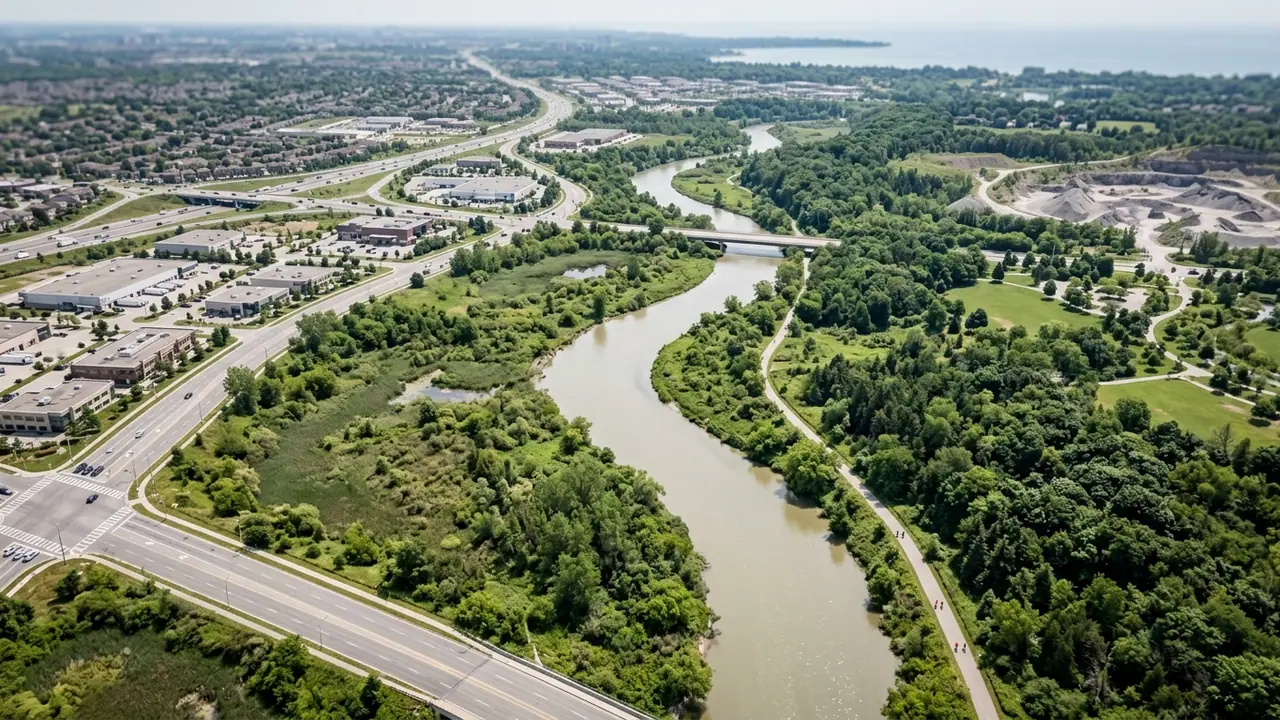

These proposed changes could significantly alter the landscape of conservation in Ontario, prioritizing development over environmental protection.
In a move causing significant concern, the Ontario government is proposing changes to its conservation laws, which could lead to the sale of protected greenlands. This initiative involves consolidating 36 conservation authorities, like the Credit River Conservation Authority, into nine new regional bodies. The government's request for an inventory of lands owned by these authorities, including floodplains and wetlands, has sparked fears of potential development in areas like the Credit River watershed.
Critics like former Toronto Mayor David Crombie argue this could compromise safety and environmental protections in cities such as Mississauga and Brampton, where these lands serve as crucial buffers against flooding and ecological loss.
Key Takeaways
36 conservation authorities to amalgamate into 9 regional bodies
Potential for development on 150,000 hectares of protected land
Local conservation decisions could be overridden by new agency
UL Lawyers Insight
For Ontario residents, these changes could mean a shift in how local ecosystems are protected and managed. With the creation of the Ontario Provincial Conservation Agency, local conservation decisions might be overridden, leading to more development in sensitive areas. This includes places like Hurontario Street and Steeles Avenue in Brampton, where greenlands play a vital role in maintaining community safety and environmental health.
Residents should stay informed about how these changes could affect their neighborhoods and the potential increase in development pressure on local green spaces. Understanding the implications of this legislation is crucial, especially for those living near conservation areas or floodplains.
Action Checklist
What You Should Do
Stay informed about public consultation dates
Participate to ensure community concerns are addressed
Engage with local conservation authorities
Understand how proposed changes might impact your area
Consult with legal professionals about property rights
Ensure your rights are protected under new legislation
Monitor developments in your local green spaces
Stay proactive about changes that might affect community safety
Communicate with local representatives
Express concerns about environmental and safety impacts
Your Rights and Options
Ontario residents have the right to voice concerns about these legislative changes and to participate in public consultations. Engaging with local representatives and conservation authorities can help ensure that community voices are heard in the decision-making process. If you are directly affected by these changes, consulting with legal professionals can provide clarity on how your property or neighborhood might be impacted.
Whether you own property near these greenlands or are concerned about environmental preservation, understanding your rights and options is essential.
Common Questions Answered
How UL Lawyers Can Help
Understanding the nuances of conservation law and its impact on your community can be overwhelming. At UL Lawyers, we are here to support you in navigating these changes. Our team can help you understand the legal implications of the proposed legislation, protect your property rights, and advise on how to engage effectively with local authorities. We invite you to contact us for a free consultation to discuss your concerns and explore your legal options without any obligation.
Concerned about how these changes might affect your property or community? Contact us for a free consultation to understand your rights and options.
About this article:
Summary prepared with AI assistance from the linked source's reporting. Edited by UL Lawyers for Ontario context.
Accompanying images are AI-generated illustrations, not photographs of actual events or persons.
Important Legal Disclaimer
This summary is for informational purposes only and does not constitute legal advice. It is recommended to consult with a legal professional for guidance specific to your situation.
Source: CityNews Toronto
Named in this article? Request content removal