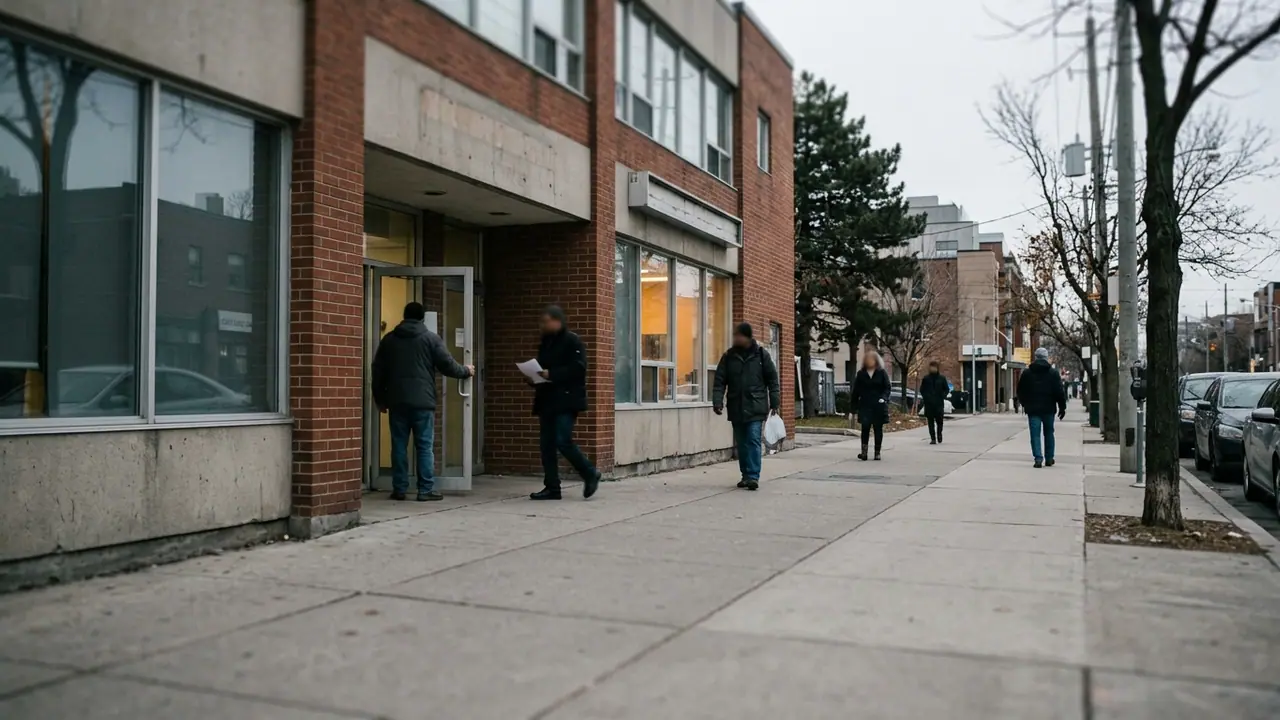

These funding cuts could significantly impact public health and safety by reducing access to essential harm reduction services.
In an impactful decision, the Ontario government has announced funding cuts for seven supervised drug consumption sites, including critical locations like Moss Park and Fred Victor in Toronto. This decision, affecting sites in Toronto, Ottawa, Niagara, Peterborough, and London, is expected to exacerbate the strain on the remaining sites such as Street Health and Casey House, which rely on donor funding. As the province shifts focus to abstinence-based HART hubs, health workers express grave concerns over potential increases in overdoses and public drug use. UL Lawyers Legal Team closely monitors these developments to assess their impact on public health and safety.
Key Takeaways
Seven drug consumption sites in Ontario face funding cuts.
Toronto, Ottawa, Niagara, Peterborough, and London are affected.
Remaining sites anticipate increased strain and potential overdoses.
UL Lawyers Insight
Ontario residents, especially in urban centers like Toronto, may face heightened community safety and health risks due to these funding cuts. With only three sites potentially left operational in Toronto, community members who rely on these services might experience reduced access to critical harm reduction resources. This decision highlights the ongoing debate between harm reduction and abstinence-based models, with implications for how drug addiction and public health are managed in Ontario.
Understanding these developments is crucial for those involved in public health advocacy or working in communities affected by substance use.
Action Checklist
What You Should Do
Engage with local advocacy groups
Stay informed and involved in community efforts to address these changes.
Seek legal advice if directly affected
Understand your rights and potential legal avenues.
Monitor public health updates
Stay informed on how these changes affect community health resources.
Explore alternative harm reduction resourcesUrgent
Identify other available services to ensure continued access to support.
Participate in public discussions
Engage in dialogues addressing the impact of funding cuts on community safety.
Your Rights and Options
While this decision primarily affects public health policy, individuals impacted by these changes should understand their rights and options. Engaging with community advocacy groups or legal professionals can offer guidance on addressing these challenges. If you or a loved one relies on these services, consider reaching out to organizations that provide support and information on alternative resources. Legal advice can also help navigate the complexities of public health policies and their local impact.
Common Questions Answered
How UL Lawyers Can Help
We understand that changes in public health funding can create uncertainty and concern for many Ontario residents. At UL Lawyers, we stay informed on legal developments that affect your community and are here to support you with guidance and information. Whether you're directly affected or looking to understand the broader implications, our team is available for consultations to help navigate these challenging times. Feel free to reach out for a conversation about your legal needs and how we can assist.
Concerned about how these changes affect your community? Contact us for guidance and support.
About this article:
Summary prepared with AI assistance from the linked source's reporting. Edited by UL Lawyers for Ontario context.
Accompanying images are AI-generated illustrations, not photographs of actual events or persons.
Important Legal Disclaimer
This article is intended for informational purposes only and does not constitute legal advice. For specific legal concerns, please consult a qualified professional.
Source: CityNews Toronto
Named in this article? Request content removal