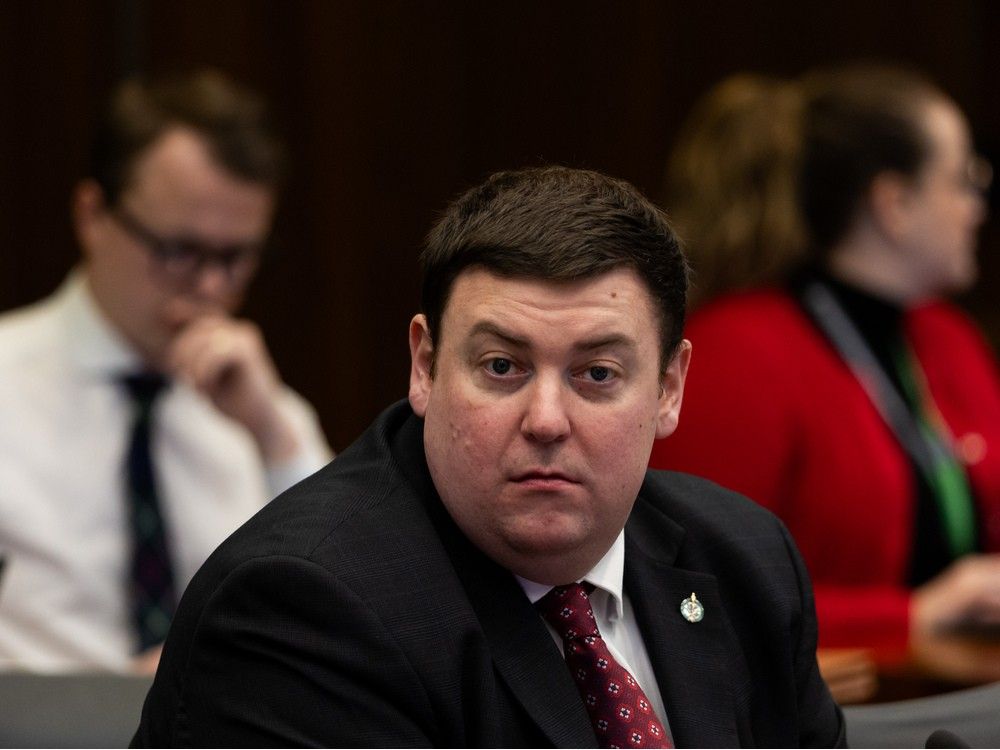
Canadian Parliament in Ottawa, where Bill C-9 is being debated, symbolizing the legislative process.
Image: Postmedia
In Ottawa, the Liberal government is facing criticism over Bill C-9, which proposes to modify laws surrounding hate speech and terror symbols. The bill aims to criminalize the promotion of hate through symbols like swastikas and to prevent intimidation that blocks access to places of worship. However, it's caught in a standstill at the Commons justice committee due to disagreements between the Liberals, Conservatives, and Bloc Québécois, especially over the removal of religious exemptions from hate speech laws. While some faith groups and Conservatives argue this change could infringe on religious freedoms, others believe it necessary to curb antisemitic and homophobic speech disguised as religious expression.
Expert Insight
"Bill C-9 raises significant questions about the balance between curbing hate speech and protecting freedoms of expression and religion."
Legal Perspective: Understanding the legal boundaries of speech and religion is crucial as Ontario navigates this complex legislative change.
Key Takeaways
Key Takeaways
Bill C-9 aims to criminalize hate symbols and protect access to worship places.
Removal of religious exemptions has stirred debate over freedom of speech.
The bill remains stalled due to political disagreements.
What This Means
What This Means for Ontario Residents
Ontario residents should care about Bill C-9 as it impacts freedom of speech and religious expression across the province. Removing religious exemptions from hate speech laws could affect how religious texts and opinions are shared, potentially leading to more charges for promoting hate. This is crucial for faith-based communities and legal experts who argue over the balance between protecting freedoms and preventing hate speech. Understanding these implications is essential, especially for those involved in religious, political, or educational discussions that could fall under scrutiny. If you're concerned, our UL Lawyers Legal Team can provide guidance on your rights.
Action Checklist
What You Should Do
Stay informed on Bill C-9's legislative progress
Keep up with news to understand how the bill evolves
Review potential impacts on religious practices
Identify how changes might affect religious expressions
Consult with a lawyer about expressing religious views
Ensure your expressions remain within legal boundaries
Participate in community discussions about the bill
Engage in dialogues to understand different perspectives
Document religious discussions and materials
Keep records as proof of intent and context
Your Rights
Your Rights and Options
Ontario residents have the right to express their religious beliefs and opinions, but must be aware of the potential legal implications under updated hate speech laws. It's important to stay informed about legislative changes and how they may affect your freedom to participate in public discussions or religious practices. If you're uncertain about how Bill C-9 might impact your rights, consulting with legal professionals is advisable. You can speak with our lawyers to understand the full scope of the law and protect your freedoms.
Common Questions
Common Questions Answered
How We Help
How UL Lawyers Can Help
Navigating changing laws can be overwhelming, especially when they touch on sensitive areas like religious and freedom of speech rights. At UL Lawyers, we understand the stress these changes can bring and are here to help you make sense of them. Our team can review your situation, explain how Bill C-9 might impact you, and guide you through any legal challenges. We're committed to helping you protect your rights and invite you to contact us for a free consultation.
Concerned about how Bill C-9 affects your freedoms? Let's discuss your rights and options.
Important Legal Disclaimer
This article is for informational purposes only and does not constitute legal advice. Contact a legal professional to discuss how Bill C-9 might affect your specific situation.
Source: National Post - Canada
Named in this article? Request content removal