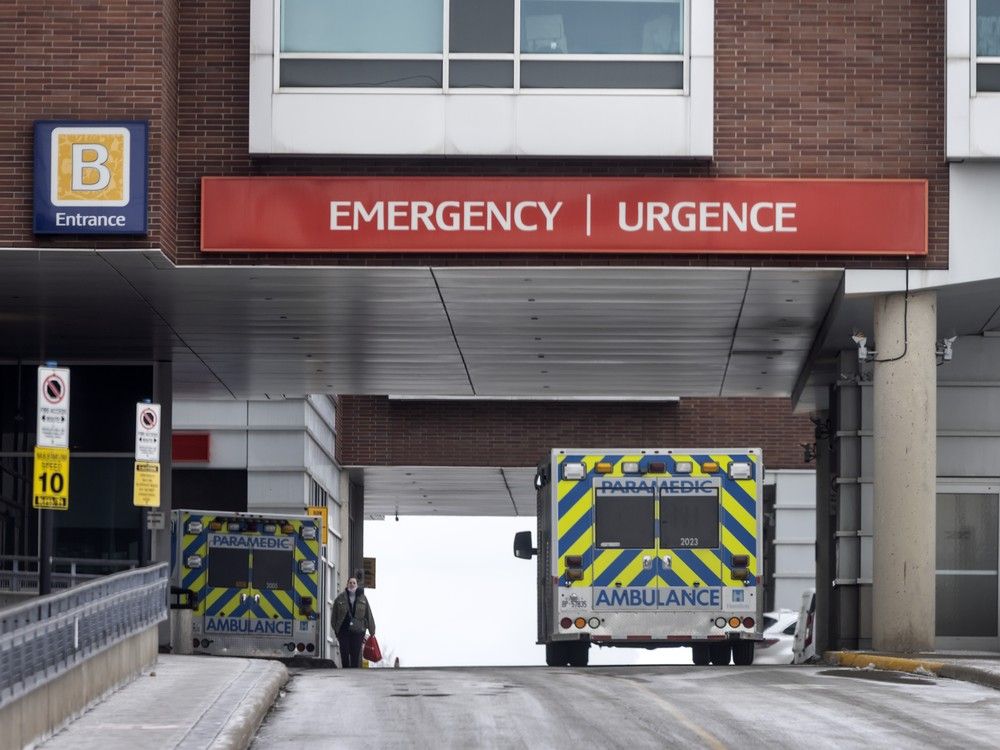
Ontario hospital building with a financial strain theme
Image: Postmedia
In a concerning trend, over 60% of Ontario's hospitals, including major ones like Hamilton Health Sciences and Niagara Health System, are resorting to private bank loans to manage significant operating deficits. For instance, Hamilton Health Sciences owed $40 million and paid nearly $2 million in interest on its lines of credit. This financial strain is occurring despite Ontario laws mandating balanced budgets for hospitals each year. Such measures are raising alarms about the future of healthcare services in Ontario, as public funds are diverted to cover hefty interest payments instead of patient care.
"The financial instability of Ontario hospitals could have serious implications for patient care quality and accessibility."
Legal Perspective: This underscores the need for a critical review of hospital funding and spending policies to ensure healthcare services remain robust and reliable.
Key Takeaways
Over 60% of Ontario hospitals face budget deficits.
Hamilton Health Sciences owes $40 million in bank loans.
Financial strain could lead to reduced healthcare services.
What This Means for Ontario Residents
For Ontario residents, this could mean longer wait times, reduced services, and potential closures of certain medical facilities as hospitals grapple with budget constraints. The financial pressure might lead to cuts in essential services such as emergency room operations and diagnostic imaging. With hospitals like the Perth and Smiths Falls District Hospital paying hundreds of thousands in interest, the quality of healthcare could be compromised if these trends continue. It's crucial for Ontario citizens to be aware of how these financial challenges could indirectly affect their access to timely and quality healthcare services.
What You Should Do
Stay informed about local hospital service changes
Keep up with announcements regarding changes in healthcare services in your area.
Document any delays or issues in receiving care Urgent
Keeping records can help if you need to address service issues legally.
Contact your local representative about healthcare concerns
Raise awareness and advocate for better healthcare funding and policies.
Understand your healthcare rights under provincial law
Being informed about your rights helps protect them.
Consult with legal professionals if service reductions impact you Urgent
Legal advice can help you understand and act on your rights effectively.
Your Rights and Options
Ontario residents should stay informed about changes in healthcare services and be proactive in understanding how these financial issues might impact them. If you experience delays in receiving healthcare, or notice a reduction in service quality, it may be beneficial to voice your concerns to local representatives. Additionally, knowing your rights regarding healthcare access is important, as is consulting legal professionals if you feel those rights are compromised. Consider reaching out for a free consultation if you're affected by these healthcare changes.
Common Questions Answered
How UL Lawyers Can Help
At UL Lawyers, we understand the stress and uncertainty that comes with changes in healthcare services. Our team is here to help you understand your rights and navigate any legal challenges that arise from these financial strains on Ontario hospitals. Whether you're facing delays in care or need guidance on your healthcare rights, we're ready to assist. Contact us for a compassionate and thorough consultation to ensure your healthcare needs are met.
Worried about how these financial issues might affect your healthcare? Our team is here to help you navigate your rights and options.
Important Legal Disclaimer
This article provides general information and should not be considered as legal advice. For advice specific to your situation, please consult a qualified legal professional.
Source: National Post - Canada
Named in this article? Request content removal