A student studying with textbooks, highlighting the impact of OSAP changes on education costs.
Image: Postmedia
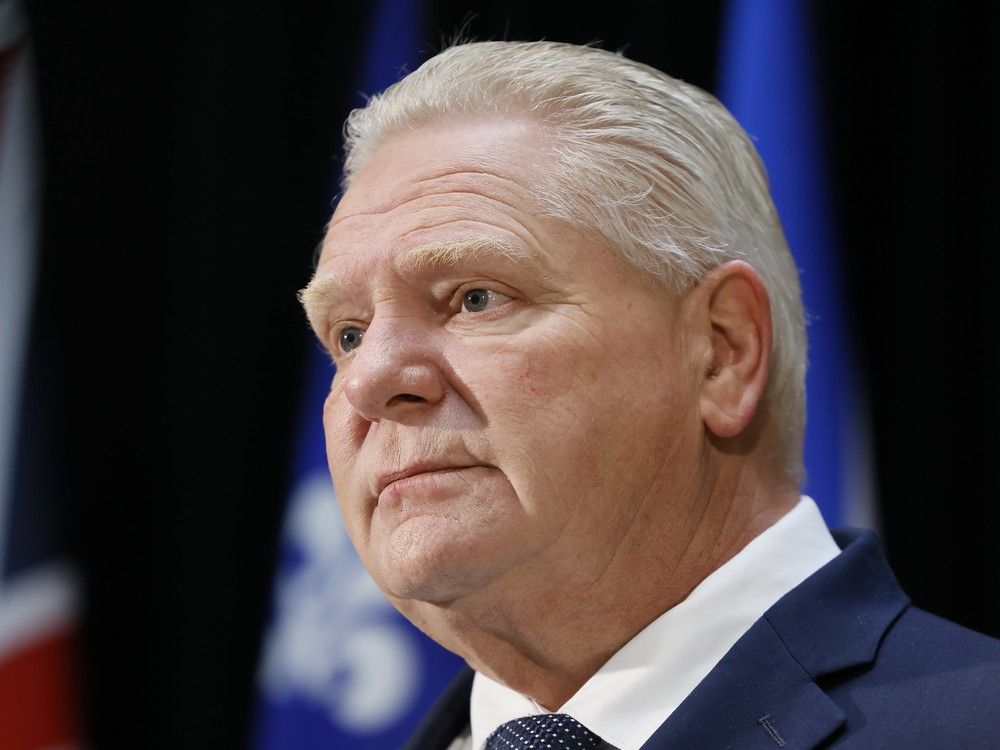
Ontario's student financial aid system, OSAP, is undergoing significant changes announced by Premier Doug Ford. Starting in the fall of 2026, students will see a shift from grants to loans, with only 25% of provincial aid as non-repayable grants. This change comes alongside the end of a seven-year tuition freeze, allowing institutions to raise fees by up to 2% annually. For students in places like Mississauga or Brampton, this means a student who previously received a $10,000 aid package might now face a $7,500 loan repayable post-graduation. These changes aim for long-term financial sustainability but raise concerns about increased student debt.
"These OSAP changes highlight the importance of financial literacy in managing education costs."
Legal Perspective: Understanding the shift from grants to loans is crucial for students planning their educational expenses.
Key Takeaways
OSAP will now consist of 75% loans and 25% grants.
Tuition increases of up to 2% annually are expected.
Financial planning becomes crucial for future students.
What This Means for Ontario Residents
For Ontario residents, particularly those planning to or currently attending post-secondary institutions, these changes mean re-evaluating how education will be funded. The shift towards loans could lead to higher debt burdens, especially for students from low-income families. The tuition hikes, though modest, will also add to financial pressures. It's crucial for students and families to understand these changes and their impact on personal finances. Legal professionals, such as those at UL Lawyers Legal Team, can provide guidance on navigating these financial shifts, ensuring students understand their rights and options.
What You Should Do
Review the new OSAP aid structure
Understand the shift from grants to loans and how it affects you
Calculate potential student loan repayments
Estimate post-graduation debt to plan financial future
Explore alternative funding options
Seek scholarships, bursaries, and part-time work opportunities
Understand tuition increase impacts
Budget for potential 2% annual tuition hikes
Consult with a financial advisor
Get professional advice on managing education costs
Your Rights and Options
Ontario students still have rights under the Student Access Guarantee, which will ensure that tuition, books, and mandatory fees are covered if OSAP funding falls short. Nevertheless, understanding the revised aid structure is essential. If you're concerned about how these changes might affect your education funding, consulting with legal professionals can provide clarity and help you explore other financial aid options.
Common Questions Answered
How UL Lawyers Can Help
Navigating these changes in Ontario's education funding can be overwhelming, especially with the potential financial impact on students and families. Our team at UL Lawyers is here to support you through these transitions. We offer guidance on understanding your financial aid rights, planning for increased education costs, and exploring all available options. Reach out for a free consultation to discuss how these changes could affect your educational journey and financial future.
Worried about how OSAP changes might affect your education funding? Let's discuss your options today.
Important Legal Disclaimer
This article provides general information only and does not constitute legal advice. For advice tailored to your specific situation, please consult a professional.
Source: National Post - Canada
Named in this article? Request content removal