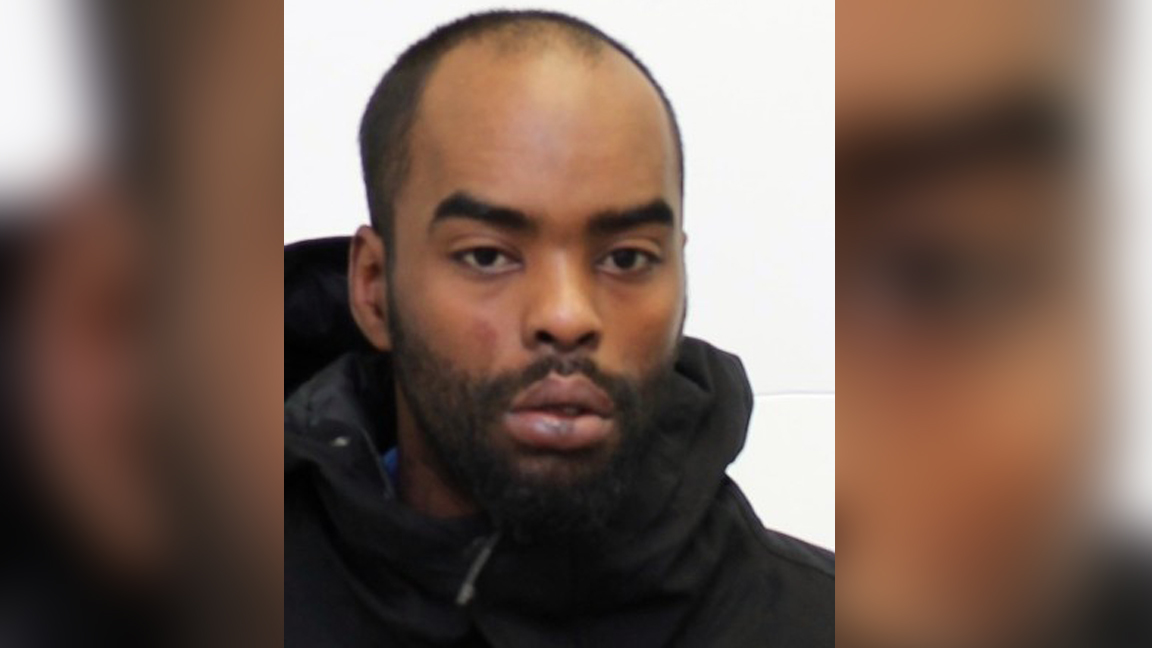
Douglas Worth, a high-risk offender, on parole in Halifax, affecting community safety perceptions.
Douglas Worth, a 73-year-old man convicted of the brutal rape and murder of 12-year-old Trina Campbell in Brantford, Ontario, has had his day parole extended. Worth, who now resides in a community-based residential facility in the Halifax area, has been deemed an 'above-average risk' for sexual violence by the Parole Board of Canada. Despite this, his age and physical limitations are considered mitigating factors in assessing his threat level. The parole board's decision has sparked public concern, especially for residents in the Dartmouth area where Worth is residing. This case highlights the complexities of parole decisions for offenders with serious criminal histories.
"The extension of Douglas Worth's parole highlights the balance parole boards must maintain between public safety and offender rehabilitation."
Legal Perspective: Legal professionals understand the complexities involved in parole decisions, especially for high-risk offenders.
Key Takeaways
Douglas Worth's parole extended despite high-risk status
Concerns raised about community safety in Dartmouth
Importance of understanding parole board decisions
What This Means for Ontario Residents
For Ontario residents, particularly those in Brantford and the Greater Toronto Area, this development underscores the importance of understanding how parole decisions are made and the criteria involved. While the Parole Board of Canada follows strict guidelines, cases like Worth's raise questions about community safety and the rehabilitation of high-risk offenders. It's important for residents to stay informed about such parole decisions, as they can have implications for community safety and public policy discussions. Knowing your community's rights and the legal processes involved can help in advocating for changes or understanding criminal rehabilitation measures in place.
What You Should Do
Stay informed about local high-risk offender notifications
Check with local police for updates
Understand the criteria for parole decisions
Learn about the Parole Board of Canada's guidelines
Engage with community safety initiatives
Participate in local meetings and discussions
Know your rights regarding community safety
Consult legal resources for guidance
Discuss concerns with local representatives
Advocate for measures to enhance public safety
Your Rights and Options
As an Ontario resident, you have the right to be informed about high-risk offenders in your community. Local police services often provide notifications and updates about such individuals, which can be crucial for ensuring public safety. If you have concerns about parole decisions or community safety, you can engage with local representatives or seek legal advice to understand how these processes work. Consulting with legal professionals can offer insights into advocacy opportunities and the legal frameworks governing parole and offender management.
Common Questions Answered
How UL Lawyers Can Help
We understand that news like this can be unsettling, especially with concerns about community safety. At UL Lawyers, our team stays informed about legal developments impacting public safety and can help you understand your rights and options in addressing community concerns. Whether it's learning more about parole processes or discussing your specific worries, we're here to listen and provide guidance. Reach out for a free consultation to discuss any legal questions or community safety concerns you might have.
Concerned about community safety and legal rights? Contact us for insights and guidance.
Important Legal Disclaimer
This article provides general information and does not constitute legal advice. For specific concerns regarding parole decisions or community safety, please consult a legal professional.
Source: National Post - Canada