Home / News / Over 4 Million Resident Permits Expire: What Ontario Needs to Know

Over 4 Million Resident Permits Expire: What Ontario Needs to Know

January 21, 2026
Updated January 21, 2026 at 12:59 p.m.
3 min read
CityNews Toronto
Share:
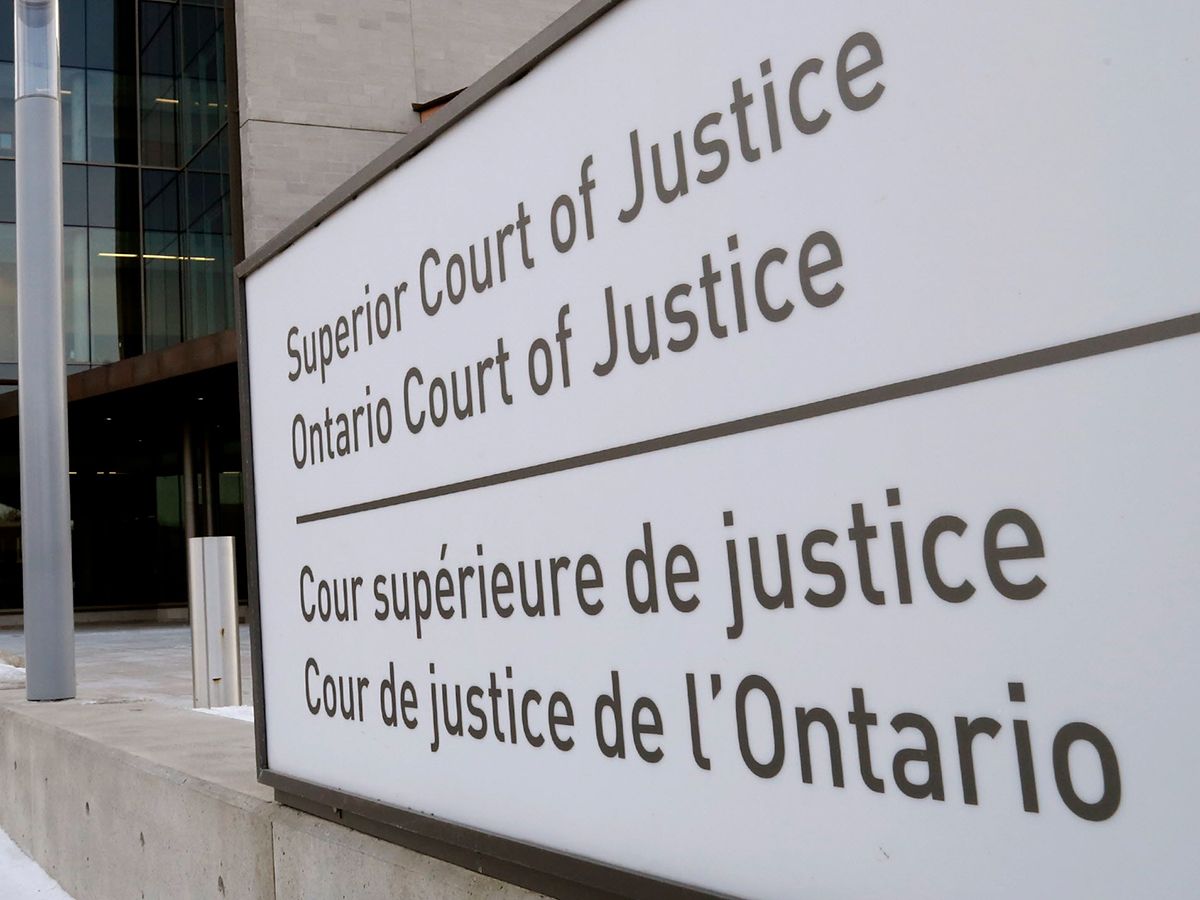
Temporary resident permits and application documents on a desk, symbolizing the expiration challenge facing Ontario residents.

Temporary resident permits and application documents on a desk, symbolizing the expiration challenge facing Ontario residents.

The expiration of over 4 million temporary resident permits in 2025 and 2026 will significantly affect many who are currently living in Canada under student, worker, or visitor permits. According to Immigration, Refugee, and Citizenship Canada (IRCC), specific concerns have been raised in Toronto where temporary residents are facing hurdles with the Ontario Immigrant Nominee Program (OINP). This is particularly troubling given the federal government's decision to halve Ontario's nominee intake due to systemic compliance issues and fraud allegations. With many temporary residents around Toronto feeling trapped amid the uncertainty, understanding the implications of these expirations is critical.

"Staying informed about your immigration status is critical, especially with upcoming changes that could affect your ability to remain in Canada."

Legal Perspective: This insight underscores the importance of maintaining legal status and exploring every available pathway to residency amidst policy changes.

Key Takeaways

Over 4 million temporary resident permits will expire in 2025 and 2026.

Ontario’s nominee intake reduced by half due to compliance concerns.

Temporary residents face uncertainty and need to explore legal pathways.

What This Means for Ontario Residents

For residents in Ontario, especially those in Toronto, Mississauga, and Brampton, the expiration of these permits could mean a reassessment of their stay in Canada. The reduction in the Ontario Immigrant Nominee Program's intake has left many without clear pathways to permanent residency. As the Canada Border Services Agency ramps up removals, staying informed about your status is crucial. Consulting with professionals about Canada's immigration policies can provide guidance on remaining compliant and finding alternative pathways to stay legally in the country.

What You Should Do

1

Review how the change affects your current application Urgent

Determine if immediate action is needed

2

Gather all required documentation Urgent

New policies may have stricter documentation requirements

3

Check application deadlines and transition periods Urgent

Some changes have grace periods for pending cases

4

Verify your eligibility under new rules

Ensure you still qualify under updated criteria

5

Consider submitting applications before changes take effect Urgent

Timing can determine which rules apply

Your Rights and Options

If you are a temporary resident in Ontario, it is vital to understand your rights and the options available to you. You have the right to apply for extensions or change your status to avoid falling out of status. Engaging with experienced immigration lawyers can help you navigate the complexities of the immigration system and ensure you take the right steps to maintain your residency status.

Common Questions Answered

How UL Lawyers Can Help

We understand how stressful and uncertain this situation can be for you and your family. At UL Lawyers, our dedicated team is here to support you through this challenging time. We offer personalized advice and strategic solutions to help secure your residency status in Canada. We invite you to contact us for a free consultation to discuss how we can assist you in navigating these changes and securing your future in Ontario.

Facing permit expiration? Let's explore your options together. Contact us for a free consultation.

Important Legal Disclaimer

This content is for informational purposes only and does not constitute legal advice. For assistance with specific immigration matters, contact a qualified immigration lawyer.