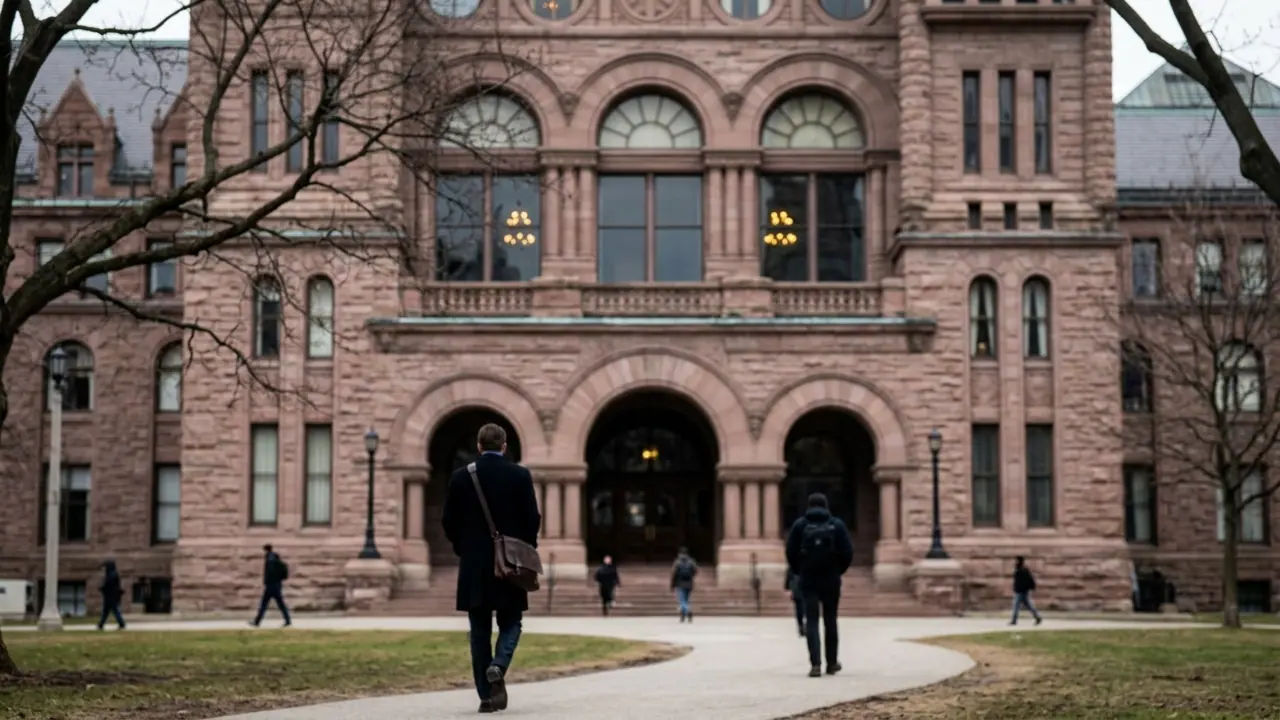

This legislative change is a significant step towards ensuring fair market practices in Ontario's live event industry.
Ontario is set to enact new rules that will ban the resale of event tickets at prices above their original cost, including taxes and fees. This move is focused on curbing the practices of professional scalpers who are known to use advanced technology to buy tickets in bulk and resell them at inflated prices. The changes will impact anyone reselling tickets, from individuals to large platforms, such as those seen at popular intersections like Yonge Street and Dundas Square in Toronto. This legislative shift aims to ensure fair access to concerts, sports, and theatre events across Ontario.
Key Takeaways
Ticket resales above face value will be banned in Ontario.
The law targets professional scalpers using bots and bulk-buying tactics.
Additional measures aim to prevent hidden fees and fake tickets.
UL Lawyers Insight
For residents of Ontario, these amendments to the Ticket Sales Act, 2017, are significant as they seek to protect consumers from unfair pricing practices in the resale market. The law targets practices that have long frustrated event-goers, such as the use of bots to snap up tickets quickly, leaving fans with no choice but to purchase from resellers at much higher prices. With the new rules, buying tickets for big events in cities like Toronto and Mississauga should become more equitable, impacting the way Ontarians experience live entertainment. The government is also introducing measures to prevent unfair service charges, ensuring a more transparent ticket-buying process.
Action Checklist
What You Should Do
Verify ticket prices at point of saleUrgent
Ensure the price matches the face value plus legitimate fees.
Report price gouging incidentsUrgent
Notify consumer protection authorities if you encounter above-face-value resales.
Understand the new ticket resale laws
Familiarize yourself with the changes to avoid engaging in illegal resale practices.
Check for hidden fees during purchase
Ensure transparency in the final ticket price.
Consult legal experts if unsure
Seek advice if you need clarity on how these laws affect your rights.
Your Rights and Options
If you're an Ontario resident purchasing tickets for events, these new protections mean you should no longer face inflated resale prices. You have the right to pay only the face value of a ticket, plus legitimate fees, ensuring a fairer playing field. If you suspect a violation of these rules, you can report it to consumer protection services. For those looking to understand the broader implications of consumer protection laws, consulting with legal experts at UL Lawyers can provide clarity and assistance.
Common Questions Answered
How UL Lawyers Can Help
At UL Lawyers, we understand how frustrating it can be to navigate the complexities of consumer rights, especially with changes in legislation. Our team is here to provide guidance and support, ensuring you understand how these new ticket resale laws affect you and your rights as a consumer. We offer a free consultation to discuss your specific concerns and explore how we can help protect your interests in the face of these changes.
Curious about how these changes impact your rights? Reach out to UL Lawyers for a free consultation.
About this article:
Summary prepared with AI assistance from the linked source's reporting. Edited by UL Lawyers for Ontario context.
Accompanying images are AI-generated illustrations, not photographs of actual events or persons.
Important Legal Disclaimer
This article provides general information on recent legal changes and should not be construed as legal advice. For specific legal concerns, please consult a qualified attorney.
Source: CityNews Toronto
Named in this article? Request content removal