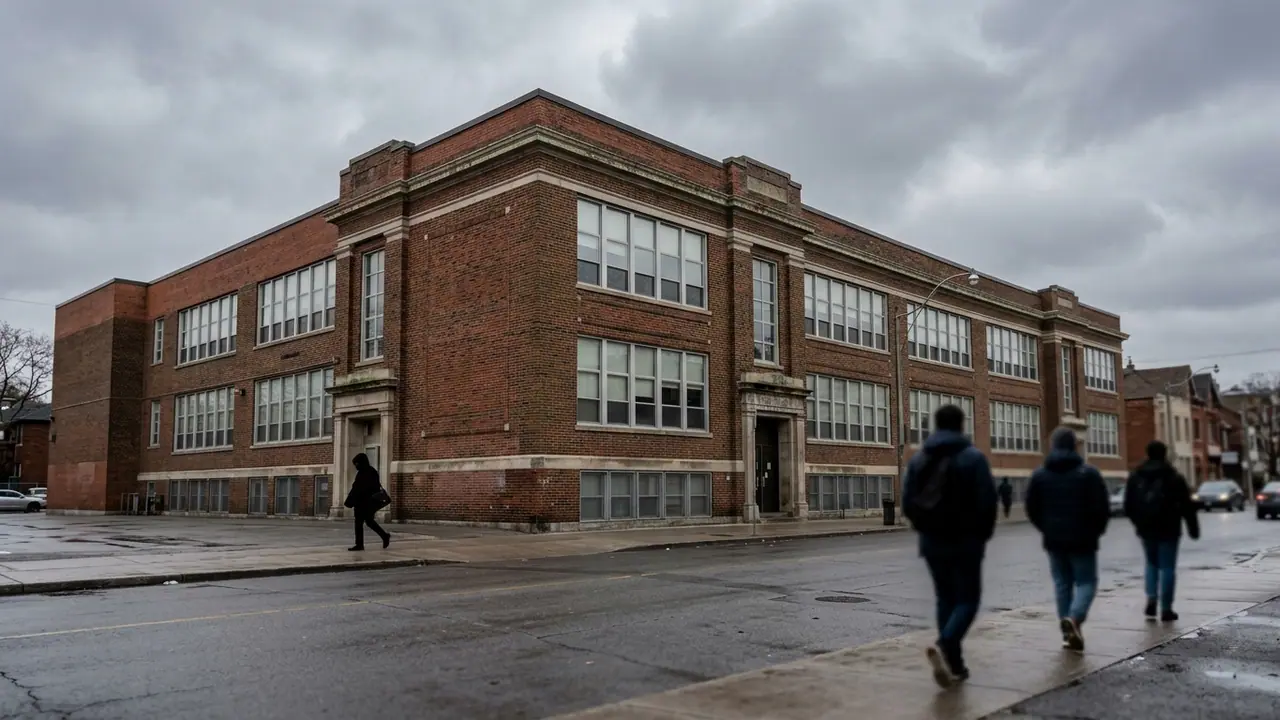

This legal challenge by the TDSB highlights the complex relationship between educational infrastructure and urban development in growing cities like Toronto.
In a significant legal move, the Toronto District School Board (TDSB) is challenging the City of Toronto's decision to exempt school lands from redevelopment. This policy change arose after community pushback against a city initiative that permitted 14-storey buildings on major streets like Ossington Avenue, where Old Orchard Public School is located. The TDSB argues that this exemption could hinder their ability to repurpose surplus school properties, a move that raises concerns among residents about the future availability of educational spaces in growing neighborhoods such as those around Ossington and Old Orchard Public School.
Key Takeaways
TDSB is contesting a city policy exempting school lands from redevelopment.
The outcome could impact future educational and housing spaces in Toronto.
Community members express concerns about school availability.
UL Lawyers Insight
For residents in Toronto, particularly around Ossington Avenue, this legal battle could affect local school availability and urban development. If the TDSB succeeds, it might set a precedent allowing more school lands to be sold for housing development, potentially easing housing shortages but risking educational space. Understanding the balance between educational needs and housing development is crucial for communities in the Greater Toronto Area, especially as the city grows.
Legal developments like this can impact property values and community planning across Ontario, making it essential to stay informed. For more insights, consider exploring our UL Lawyers Legal Team for detailed analysis.
Action Checklist
What You Should Do
Attend city council meetings discussing urban planningUrgent
Stay informed about local decisions affecting your neighborhood
Engage with local representativesUrgent
Express your concerns and advocate for community interests
Review city zoning and redevelopment plans
Understand potential changes to your neighborhood
Consult with legal experts on property rights
Get advice on how legal changes might affect your property
Monitor local news for updates on the TDSB appeal
Keep informed about the outcome and its implications
Your Rights and Options
Residents concerned about these developments have the right to participate in public consultations and express their opinions to local representatives. Engaging in these processes can help ensure that community interests are represented in urban planning decisions. If you're facing legal questions about property rights or urban planning in your area, seeking guidance from experienced legal professionals can provide clarity and support.
Common Questions Answered
How UL Lawyers Can Help
Navigating the complexities of urban planning and property law can be daunting. At UL Lawyers, we understand the stress and uncertainty that legal changes can bring. Our team is here to explain these developments clearly, helping you understand your rights and the potential impacts on your community. If you have concerns about how these changes might affect you or your neighborhood, reach out for a free consultation to discuss your situation in detail.
Have questions about how this legal challenge might affect your community? Contact us for a free consultation to explore your options.
About this article:
Summary prepared with AI assistance from the linked source's reporting. Edited by UL Lawyers for Ontario context.
Accompanying images are AI-generated illustrations, not photographs of actual events or persons.
Important Legal Disclaimer
This page provides a general overview of a legal matter involving the Toronto District School Board and should not be considered legal advice. For specific legal concerns, consult with a qualified attorney in your area.
Source: CityNews Toronto
Named in this article? Request content removal