
These arrests underscore the importance of understanding the legal boundaries of free speech in public demonstrations.
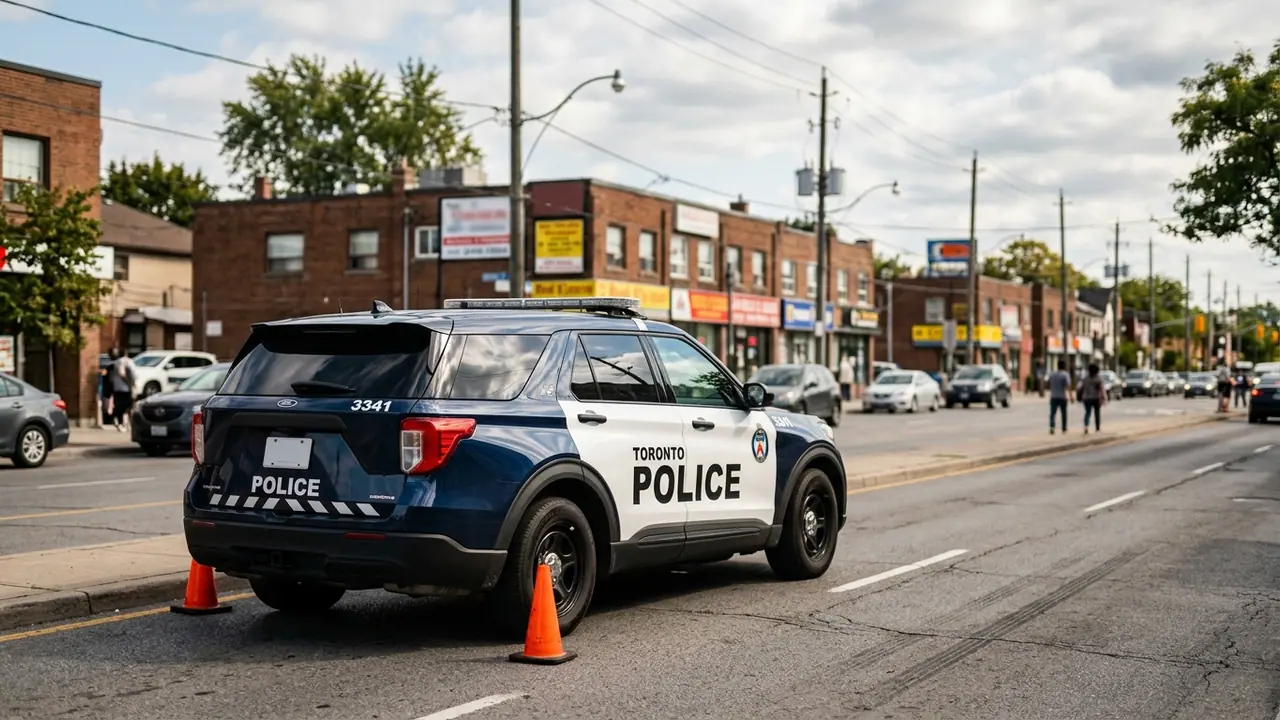
Toronto police recently arrested five more individuals in connection with the display of antisemitic signage during a pro-Palestinian demonstration near Bathurst Street and Sheppard Avenue in North York. This follows a previous arrest made in April, stemming from the same March 15th incident. The arrests were executed after search warrants were carried out in Toronto and Durham Region. The suspects now face charges of public incitement of hatred and willful promotion of hatred, a charge that requires the consent of Ontario’s Attorney General. This case underscores the city's commitment to combating hate crimes and promoting community safety.
Key Takeaways
Five additional arrests made for antisemitic acts in North York.
Charges include public incitement and willful promotion of hatred.
Legal processes highlight serious consequences for hate crimes.
UL Lawyers Insight
For Ontario residents, these arrests demonstrate a firm stance against hate crimes and the legal consequences of engaging in such activities. The charges of public incitement and willful promotion of hatred highlight the seriousness with which these acts are treated under Canadian law. It's a reminder that promoting hate, especially in diverse communities like North York, is not tolerated and can lead to significant legal repercussions.
Understanding these legal boundaries can help individuals engage more responsibly in public demonstrations and discussions, particularly around sensitive topics like international conflicts and cultural tensions. If you're facing similar legal issues, consulting with legal professionals can provide clarity on your rights and responsibilities.
Action Checklist
What You Should Do
Understand the legal definition of hate speechUrgent
Ensure you know what constitutes hate speech under Canadian law.
Be aware of your rights during public demonstrationsUrgent
Know how to engage responsibly and legally in protests.
Report any observed hate speech to authoritiesUrgent
Prompt reporting can help prevent the escalation of hate crimes.
Document incidents of hate speech if safe to do so
Collect evidence that may be useful in legal proceedings.
Consult with a legal professional if chargedUrgent
Legal guidance can be crucial in understanding charges and defenses.
Your Rights and Options
Under Canadian law, and specifically the Criminal Code, promoting hatred against any identifiable group is a serious offense. In Ontario, individuals charged with willful promotion of hatred face severe penalties, including potential jail time, if convicted. The charge is rare and signifies the gravity of such actions. It's crucial for residents to understand that free speech does not extend to hate speech, which is legally restricted.
If you're involved in protests or public demonstrations, it's important to know your legal rights and obligations to avoid unintended legal consequences. For those unsure about their rights in such matters, seeking advice from experienced legal professionals can be invaluable.
Common Questions Answered
How UL Lawyers Can Help
At UL Lawyers, we understand the complexities surrounding hate crime laws and public demonstrations. Our team is dedicated to helping clients navigate these sensitive legal issues with care and expertise. Whether you're facing charges or seeking to understand your rights in similar situations, we offer guidance and support tailored to your needs. Contact us for a free consultation to discuss your case and explore your legal options.
Concerned about your rights in public demonstrations? Our team is here to help you navigate the legal landscape with confidence.
About this article:
Summary prepared with AI assistance from the linked source's reporting. Edited by UL Lawyers for Ontario context.
Accompanying images are AI-generated illustrations, not photographs of actual events or persons.
Important Legal Disclaimer
This page provides general information about legal topics and should not be considered legal advice. Contact a qualified legal professional for advice on specific legal issues.
Source: CP24
Named in this article? Request content removal