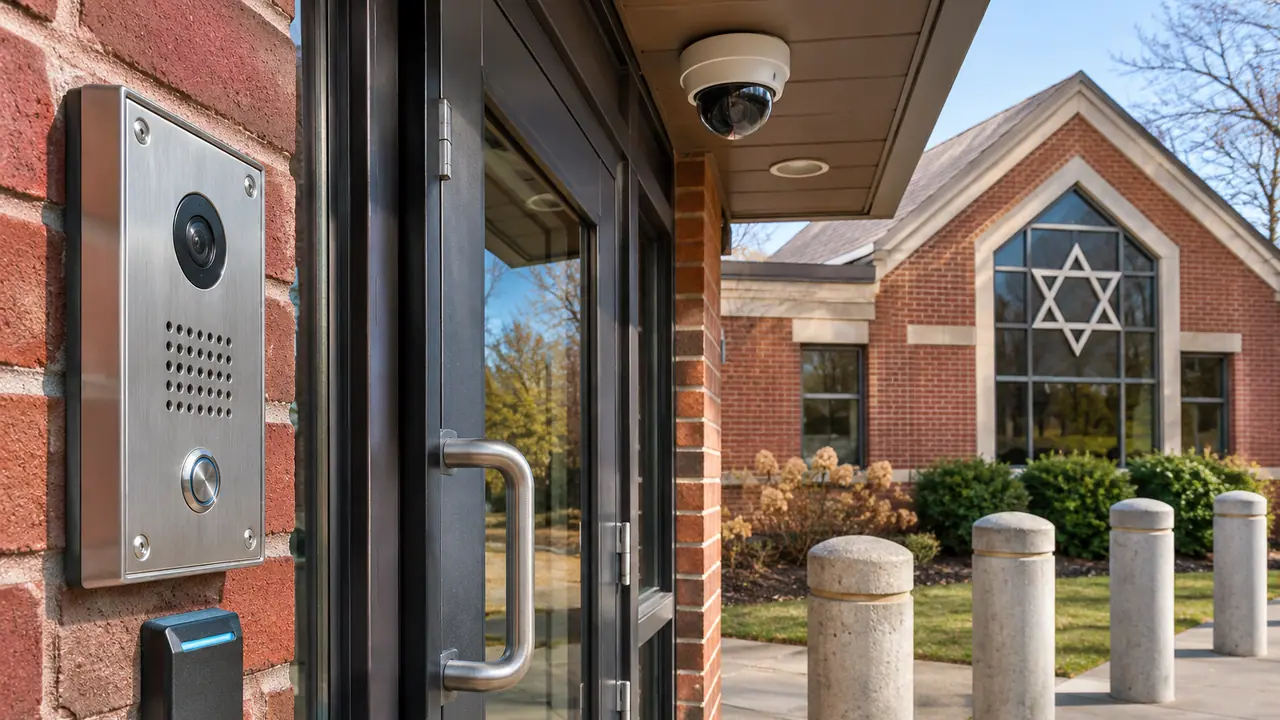

The Belleville incident underscores the critical need for comprehensive security measures at community centers.
In a disturbing incident that has shaken the community, Belleville's Sons of Jacob Synagogue was the site of a gunman attack this past September. Shima Vigodda, the vice-president of the synagogue, emphasized the urgent need for enhanced security to protect the congregation. Before the attack, security measures were limited to addressing vandalism, such as replacing broken windows and installing burglar alarms. However, Vigodda, who survived the attack, now advocates for more robust protections, including bullet-resistant glass, fortified doors, safe rooms, perimeter fencing, and onsite security personnel.
These measures are seen as essential not only for physical safety but also as a deterrent to potential future threats. Despite an existing federal program that subsidizes security improvements for places of worship, Vigodda points out that these enhancements far exceed what the program can cover.
Key Takeaways
The Belleville synagogue attack highlights urgent security needs.
Federal programs may not cover all necessary security upgrades.
Enhanced security measures can deter future attacks.
UL Lawyers Insight
For Ontario residents, particularly in Belleville and the Greater Toronto Area, this incident underscores the importance of reviewing and potentially upgrading security measures at local places of worship and community centers. The attack serves as a poignant reminder of the rising concerns about safety and antisemitism in our communities. Understanding the limitations of current federal support programs can help local leaders advocate for more comprehensive solutions.
If you are involved with a community organization, it may be beneficial to explore legal guidance on navigating available security funding and compliance with safety regulations.
Action Checklist
What You Should Do
Assess current security measuresUrgent
Identify vulnerabilities and areas needing improvement.
Apply for federal security funding
Explore eligibility and application processes for available programs.
Develop a comprehensive security planUrgent
Include measures like bullet-resistant glass and safe rooms.
Engage with local law enforcement
Collaborate on security strategies and emergency response protocols.
Consult with security experts
Gain insights into effective deterrents and protective measures.
Organize community awareness sessions
Educate members on safety protocols and emergency actions.
Your Rights and Options
Ontario places of worship and community organizations have the right to apply for federal security funding under specific programs designed to enhance safety. However, the limitations of these programs mean that additional fundraising or advocacy may be necessary to implement comprehensive security solutions. It's crucial to understand the eligibility criteria and application processes to maximize available support.
If you're part of a community group concerned about safety, consulting with legal professionals can help you navigate the complexities of applying for funding and implementing necessary security measures.
Common Questions Answered
How UL Lawyers Can Help
At UL Lawyers, we understand how unsettling events like the Belleville synagogue shooting can be for communities across Ontario. We’re here to guide you through understanding your legal options and assist with applications for security funding. Our team can provide insights into compliance with safety measures and help you advocate for the protection your community deserves. Reach out for a free consultation to discuss how we can support your safety initiatives.
Wondering how to enhance security for your community space? Contact us for expert legal guidance.
About this article:
Summary prepared with AI assistance from the linked source's reporting. Edited by UL Lawyers for Ontario context.
Accompanying images are AI-generated illustrations, not photographs of actual events or persons.
Important Legal Disclaimer
The information on this page is intended for general informational purposes only and does not constitute legal advice. For advice specific to your situation, please consult with a qualified legal professional.
Source: CP24
Named in this article? Request content removal