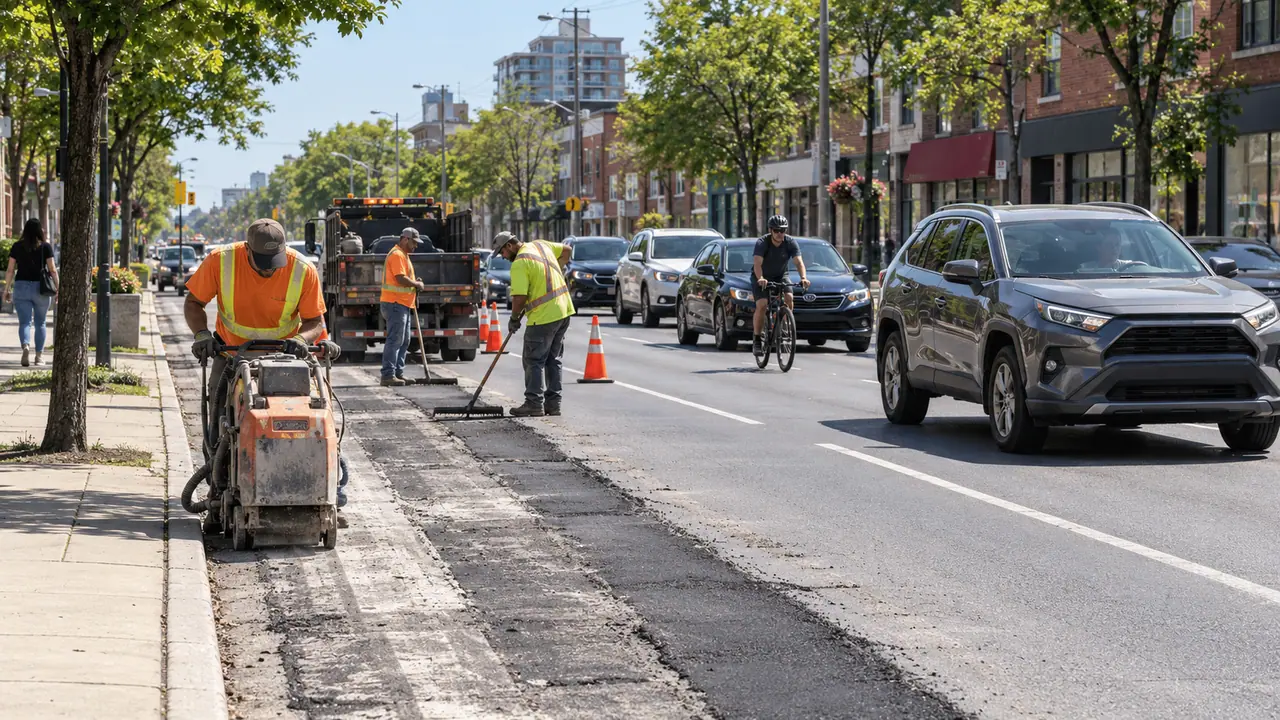

The removal of bike lanes highlights the ongoing tension between urban planning for vehicle efficiency and the need for safe, accessible cycling infrastructure.
The government of Ontario, led by Doug Ford, has completed the removal of bike lanes on a 1.2-kilometre stretch of Bloor Street West in Etobicoke, between Clissold Road and Royal York Road. This decision, finalized on October 14, 2026, aims to alleviate traffic congestion by reinstating motor vehicle lanes in both directions. The move has been praised by some motorists and businesses but has faced strong opposition from cycling advocates and city officials.
The project, which marks the first completed bike lane removal under the Ford government's plan, involved dismantling protected cycling infrastructure, resurfacing the road, and updating traffic signage. This development follows a legal ruling by the Ontario Court of Appeal in August that confirmed the provincial legislature's authority over public road design decisions, paving the way for such changes. UL Lawyers Legal Team continues to monitor these developments closely.
Key Takeaways
Bike lanes removed on Bloor Street West between Clissold and Royal York.
The decision aims to reduce traffic congestion in Etobicoke.
Cycling advocates express concerns over increased accident risks.
UL Lawyers Insight
For residents of Toronto and the Greater Toronto Area, this change could have significant implications on daily commuting, road safety, and urban planning. The removal of bike lanes may ease traffic flow for vehicles but could also increase risks for cyclists, who previously relied on the protections that these lanes offered. Those advocating for cyclist safety warn that removing these lanes might discourage cycling and heighten the risk of accidents involving cyclists and vehicles, who now share the same space without barriers.
If you're a cyclist or motorist, understanding how these changes impact your daily route and safety is crucial. For more information on how legal changes impact you, visit our Legal Resource Library.
Action Checklist
What You Should Do
Review alternative cycling routes
Find safer paths that still accommodate your commuting needs.
Enhance personal safety measures
Consider using additional lighting and visibility gear while cycling.
Stay informed about local road changes
Keep updated on planned infrastructure changes that might impact your journey.
Engage with local advocacy groups
Join community efforts to advocate for safer cycling infrastructure.
Consult legal advice if impacted
Seek professional guidance to understand your rights and options.
Your Rights and Options
Ontario residents have the right to safe and accessible roads. The removal of bike lanes on Bloor Street West raises questions about the province's responsibility to ensure the safety of all road users, including cyclists. According to the Highway Traffic Act, all road users, including cyclists, have the right to a safe environment, and any changes that potentially compromise safety need to be carefully considered and addressed.
If you believe your rights as a cyclist or motorist have been affected by these changes, you may consider seeking legal advice to understand your options. Our legal team can provide guidance on how these changes might impact you and what steps you can take.
Common Questions Answered
How UL Lawyers Can Help
At UL Lawyers, we understand that changes to road infrastructure can bring uncertainty and concern, especially for those who rely on safe cycling routes. Our team is here to help you navigate the legal implications of such changes and ensure your rights are protected. Whether you're a cyclist, motorist, or pedestrian, we can provide the legal support you need to understand your options. Reach out for a free consultation to discuss how these developments affect you personally.
Curious about how infrastructure changes impact your rights? Connect with our legal team to discuss your situation.
About this article:
Summary prepared with AI assistance from the linked source's reporting. Edited by UL Lawyers for Ontario context.
Accompanying images are AI-generated illustrations, not photographs of actual events or persons.
Important Legal Disclaimer
This page provides a summary of recent legal developments regarding road infrastructure changes in Ontario. It is for informational purposes only and should not be considered legal advice. For personalized guidance, please consult a legal professional.
Source: CityNewsTO
Named in this article? Request content removal