
The designation of a dangerous offender is a critical step in safeguarding the community from repeat violent offenders.
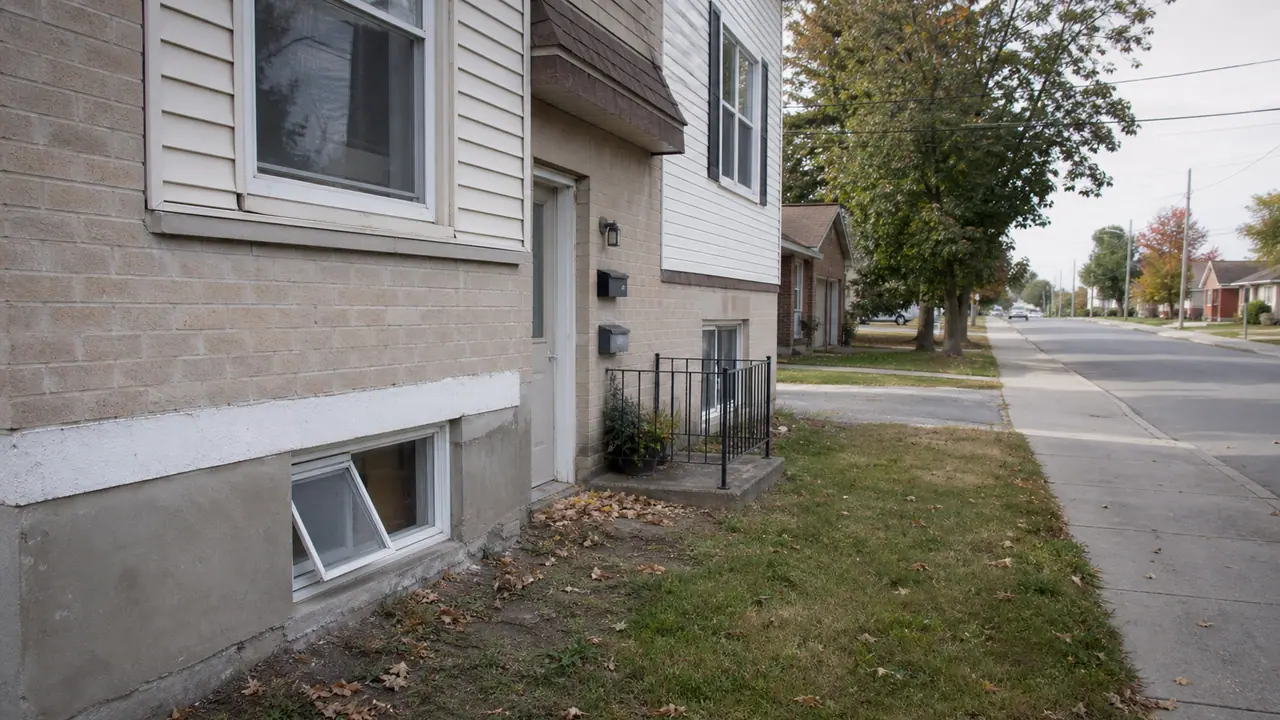
In a disturbing case unfolding in Welland, Ontario, Daniel Senecal, a 26-year-old local resident, is facing the possibility of being declared a dangerous offender. This designation, the most severe penalty in Canadian criminal law, is being pursued by the Crown due to Senecal's alleged involvement in a heinous crime on August 31, 2025. The incident took place at a residential building in Welland, where Senecal reportedly broke into a basement apartment armed with a screwdriver.
He then proceeded to attack a three-year-old girl who was sleeping inside, inflicting catastrophic injuries on her. Captured by surveillance footage, Senecal was seen leaving the scene partially unclothed after nearly 30 minutes. This case has sparked public outcry in nearby St. Catharines, where protests have been held outside the courthouse. UL Lawyers Legal Team is closely monitoring the developments of this case, given its implications for how dangerous offenders are managed within Ontario.
Key Takeaways
Daniel Senecal faces a dangerous offender designation.
Incident occurred in a Welland basement apartment in August 2025.
Public protests have taken place in St. Catharines.
UL Lawyers Insight
For residents of Ontario, this case underscores the significance of the dangerous offender designation within the criminal justice system. This status is reserved for individuals deemed to pose a substantial risk to public safety due to their repeated violent behavior. If Senecal is designated as a dangerous offender, it could mean an indefinite prison sentence, emphasizing the Canadian justice system's approach to handling serious offenders.
This case also raises awareness of the legal processes involved in such severe designations and the impact they have on communities. Understanding how these proceedings work is critical for those interested in the legal protections available to victims and their families.
Action Checklist
What You Should Do
Understand the dangerous offender designationUrgent
Learn what it means and its implications for public safety
Stay informed about the legal process
Follow updates and understand how such cases proceed legally
Seek legal advice if affectedUrgent
Get professional guidance on navigating the legal system
Participate in community discussions
Engage in local forums to express concerns and support victims
Your Rights and Options
Ontario residents should be aware that the dangerous offender designation is a legal mechanism aimed at protecting the public from individuals with a high likelihood of reoffending. Under the Criminal Code of Canada, this designation requires a rigorous legal process, including psychological assessments and court hearings. It serves as a reminder of the legal system's role in addressing violent crimes and ensuring community safety.
If you or someone you know is a victim of violent crime, understanding your rights to safety and justice is crucial. Consulting with legal professionals can provide guidance on navigating these complex situations and understanding the protections available under Canadian law.
Common Questions Answered
How UL Lawyers Can Help
Facing the aftermath of a violent crime can be overwhelming. At UL Lawyers, we are dedicated to supporting victims and their families through these challenging times. Our experienced legal team can help you understand the legal processes involved, advocate for your rights, and ensure that justice is pursued. If you need guidance or support, contact us for a free consultation to discuss your situation and explore the legal options available to you.
If you have questions about dangerous offender designations or need legal support, reach out to our team for a free consultation.
About this article:
Summary prepared with AI assistance from the linked source's reporting. Edited by UL Lawyers for Ontario context.
Accompanying images are AI-generated illustrations, not photographs of actual events or persons.
Important Legal Disclaimer
This page provides general information and should not be construed as legal advice. For guidance specific to your situation, consult with a qualified legal professional.
Source: TheTorontoSun
Named in this article? Request content removal