
Understanding the legal boundaries of peaceful protest is crucial to avoid unintended criminal charges.
In recent days, Bloor Street West in Etobicoke has been the epicenter of protests against the provincial decision to remove bike lanes. Demonstrators have gathered between Royal York Road and Islington Avenue, expressing their discontent with the dismantling of this infrastructure. The protests, which have gained momentum over four days, saw cycling advocates chanting and holding signs to assert that 'bike lanes save lives.' Tensions escalated when Toronto Police intervened to ensure that work crews could proceed with the removal, leading to several arrests.
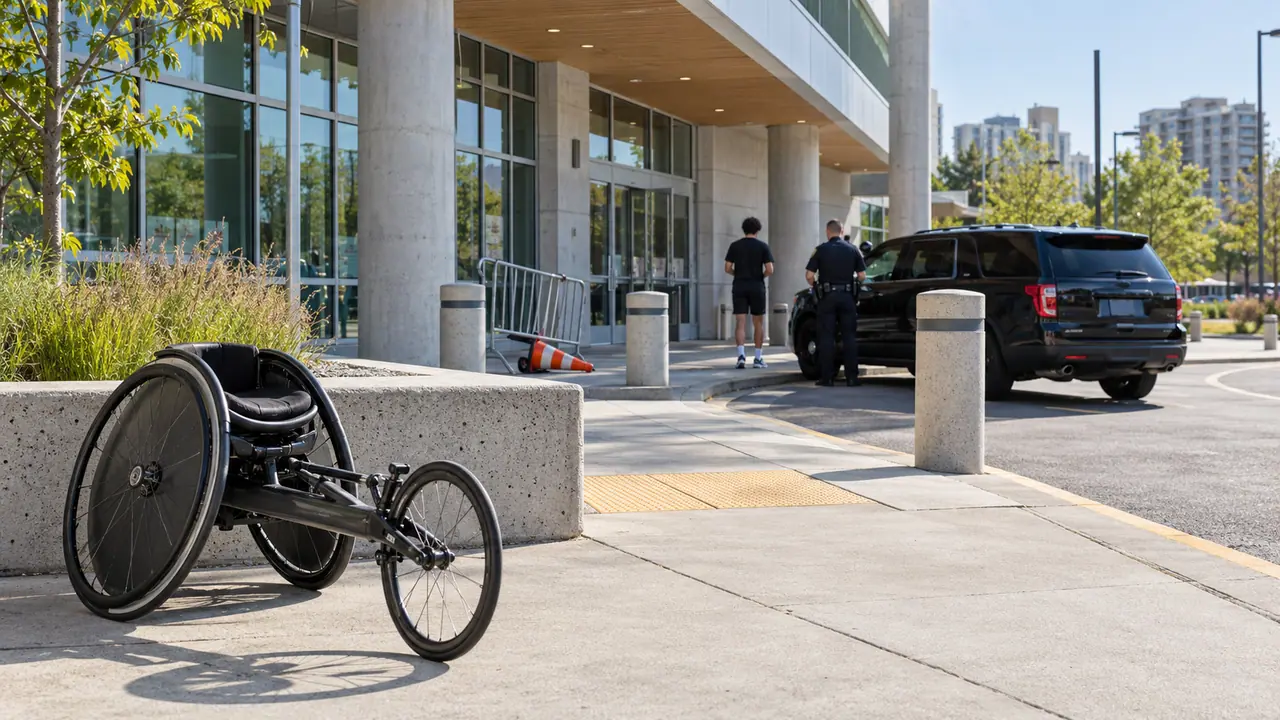
On Thursday, Aly Van Wyck-Smart, a 24-year-old Paralympian, was arrested while protesting in a wheelchair. Charged with mischief and obstructing a peace officer, Van Wyck-Smart's defiance underlines the legal risks involved for those participating in demonstrations. UL Lawyers Legal Team can provide guidance on navigating such legal challenges.
Key Takeaways
Protests against bike lane removal occurred on Bloor Street West in Etobicoke.
Three demonstrators, including a Paralympian, were arrested and charged.
Understanding legal rights is crucial for those involved in public demonstrations.
UL Lawyers Insight
For Ontario residents, particularly those involved in activism, this situation in Etobicoke serves as a reminder of the potential legal consequences of civil disobedience. The charges brought against the protesters, including mischief and obstruction, highlight the importance of understanding your rights and the laws governing public demonstrations. Engaging in protests without knowledge of legal boundaries can lead to criminal charges, which may carry serious implications for future employment or travel.
Those participating in or organizing protests should familiarize themselves with legal advice on peaceful assembly and the rights of demonstrators. It's essential to seek legal counsel to better understand these rights and avoid unintended legal repercussions.
Action Checklist
What You Should Do
Understand your rights to peaceful assembly
Familiarize yourself with the Charter of Rights and Freedoms.
Avoid obstructing lawful work or peace officersUrgent
Stay within legal boundaries to prevent charges.
Seek legal advice if chargedUrgent
Consult with a lawyer to understand your rights and options.
Document the protest and your involvement
Keep records of the event in case of legal issues.
Know the potential consequences of chargesUrgent
Be aware of how charges could impact your future.
Your Rights and Options
In Ontario, citizens have the right to peacefully assemble and express their views. However, this right is subject to certain limitations under the Criminal Code of Canada, which prohibits actions that interfere with lawful work or obstruct peace officers. If you're involved in a protest, it's important to remain aware of these legal boundaries to avoid charges like mischief or obstruction. The Charter of Rights and Freedoms protects peaceful assembly, but any action perceived as hindering legal activities could result in criminal charges.
If faced with charges from participating in a protest, it's vital to seek legal advice promptly. Consulting with an experienced lawyer can help you understand the charges, potential consequences, and available defenses. At UL Lawyers, our team can provide guidance on your legal options and represent you in any proceedings arising from such events. Schedule a free consultation to discuss your situation and protect your rights.
Common Questions Answered
How UL Lawyers Can Help
Participating in protests can be a powerful way to stand up for what you believe in, but it can also lead to legal challenges. At UL Lawyers, we understand the stress and uncertainty that can come from facing charges related to activism. Our experienced legal team is here to support you by explaining your rights, guiding you through the legal process, and ensuring your side of the story is heard. Reach out for a free consultation to explore how we can assist you in navigating these legal matters.
Facing legal challenges from protest involvement? Our team can help you understand your rights and next steps.
About this article:
Summary prepared with AI assistance from the linked source's reporting. Edited by UL Lawyers for Ontario context.
Accompanying images are AI-generated illustrations, not photographs of actual events or persons.
Important Legal Disclaimer
This page provides a general overview of legal considerations related to public demonstrations in Ontario. It is not legal advice. For advice specific to your situation, consult with a qualified lawyer.
Source: CityNewsTO
Named in this article? Request content removal