
A criminal charge is the start of a legal process, not the end of one. Grieving families should know that victim supports and civil options exist regardless of how the criminal case unfolds.
Toronto police have announced new arrests in two deadly shootings in Etobicoke this month, including the arrest of the person they describe as the final suspect in one of the cases. In a news release on Sunday, police said a 17-year-old from Toronto has been arrested and charged in connection with both shootings. Later that afternoon, they said a 19-year-old Toronto man had also been arrested. It is a significant development in an ongoing Ontario legal news story, but none of the criminal charges have been tested in court.
The first case involves the fatal shooting of an 18-year-old man on November 10 in the area of Martin Grove Road and Finch Avenue West. Police say the 17-year-old was wanted in connection with that death and has now been charged with first-degree murder. Because the accused is under 18, police said they cannot release the teen's name under the Youth Criminal Justice Act.
According to police, the same 17-year-old was also wanted in connection with an earlier killing. On November 7, an 18-year-old man from Mississauga was shot and killed in the area of Rathburn Road and The East Mall. In connection with that death, the teen faces a charge of second-degree murder and a charge of attempted murder, as well as two firearms-related charges.
On Sunday afternoon, police said the final suspect in the November 10 shooting near Martin Grove Road and Finch Avenue West had been arrested. A 19-year-old man from Toronto now faces one charge of first-degree murder. Police also noted that this was not the first arrest in that case. On November 14, officers arrested a 16-year-old as the first suspect allegedly linked to the November 10 death. That teen also cannot be identified under youth justice law and was charged with first-degree murder.
Based on what police have shared, three people are now charged in connection with the November 10 shooting: a 16-year-old, a 17-year-old and a 19-year-old. The 17-year-old is also charged in the November 7 shooting. Every accused person is presumed innocent. It will be up to the courts to decide whether the Crown can establish the charges beyond a reasonable doubt.
Key Takeaways
Police say a 17-year-old from Toronto faces a first-degree murder charge in the November 10 shooting near Martin Grove Road and Finch Avenue West.
The same teen faces second-degree murder, attempted murder and two firearms-related charges in the November 7 shooting near Rathburn Road and The East Mall.
A 19-year-old Toronto man, described by police as the final suspect in the November 10 case, faces one charge of first-degree murder.
A 16-year-old arrested on November 14 was also charged with first-degree murder in the November 10 case.
The youths cannot be named under the Youth Criminal Justice Act, and the allegations have not been tested in court.
Families of victims of violent crime in Ontario may be able to access support programs and pursue separate civil options.
UL Lawyers Insight
This case shows how Canada's justice system treats young people differently. Under the Youth Criminal Justice Act, the identities of accused youths aged 12 to 17 are generally protected from publication. That is why police have not named the 16- and 17-year-olds. The rule applies to everyone, including people posting on social media, not only to police and news outlets.
It also helps to understand the charges themselves. In Canada, first-degree murder generally covers killings that are planned and deliberate, along with certain other specific circumstances. Second-degree murder covers other murders. A charge reflects what police and prosecutors allege. The court process decides the outcome.
For families who lose a loved one to violence, the legal questions don't end with the criminal case. Ontario offers victim support programs. Families may also have separate civil or estate matters to work through, often while grieving. Our legal resource library is a helpful place to start learning about these processes.
Action Checklist
What You Should Do
Connect with Victim Services or the Victim/Witness Assistance ProgramUrgent
These programs provide immediate support and help families understand the criminal court process
Apply for Victim Quick Response Program+ (VQRP+) supportUrgent
Help with funeral costs, counselling and immediate needs is time-sensitive, so apply as soon as possible
Share any information you have with Toronto Police or Crime StoppersUrgent
If you saw or know something relevant, reporting it through official channels supports the investigation
Do not post or share the identities of youth accused onlineUrgent
The Youth Criminal Justice Act prohibits publishing information that identifies young people charged with offences
Ask to receive updates as the case moves through court
Victims' families have the right to information about the progress of the case
Keep records of all expenses related to the loss
Receipts for funeral costs, counselling and lost income may matter for support programs or a civil claim
Note the two-year limitation period for civil claims
Claims under Ontario's Family Law Act are generally subject to the Limitations Act, 2002 deadline
Get legal advice on managing a loved one's estate
If there is no will, the family may need court authority to handle accounts and belongings
Your Rights and Options
If a loved one has been killed or hurt in a violent incident like the shootings in Etobicoke, you have rights as a family member. Ontario's Victims' Bill of Rights, 1995 and the federal Canadian Victims Bill of Rights recognize your right to information about the case as it moves through court, and to be treated with courtesy and respect. Ontario's Victim Quick Response Program+ (VQRP+) may also help eligible families with immediate costs such as funeral expenses and counselling.
Separately from the criminal case, certain relatives may be able to bring a civil claim under Ontario's Family Law Act when a family member dies through someone else's wrongful act. These claims are generally subject to the two-year deadline in the Limitations Act, 2002. Speaking with a lawyer early can help you understand which options fit your situation.
Common Questions Answered
How UL Lawyers Can Help
Losing someone to violence, or watching it happen in your community, is overwhelming. Legal questions can feel like one more burden at an already painful time. At UL Lawyers, we take time to listen and explain your options in plain language. We can help you understand victim support programs, walk you through civil claims and deadlines, and guide you through estate matters after a sudden loss. You don't have to figure this out alone. If you have questions, reach out for a free, no-pressure consultation and we'll help you take the next step at your own pace.
If your family is coping with a loss from violent crime and you're unsure what supports or legal options are available, our team is here to talk it through with you, free of charge.
Ontario Road Report
One email a week with the road and collision stories we covered in your city and across Ontario.
About this article:
Summary prepared with AI assistance from the linked source's reporting. Edited by UL Lawyers for Ontario context.
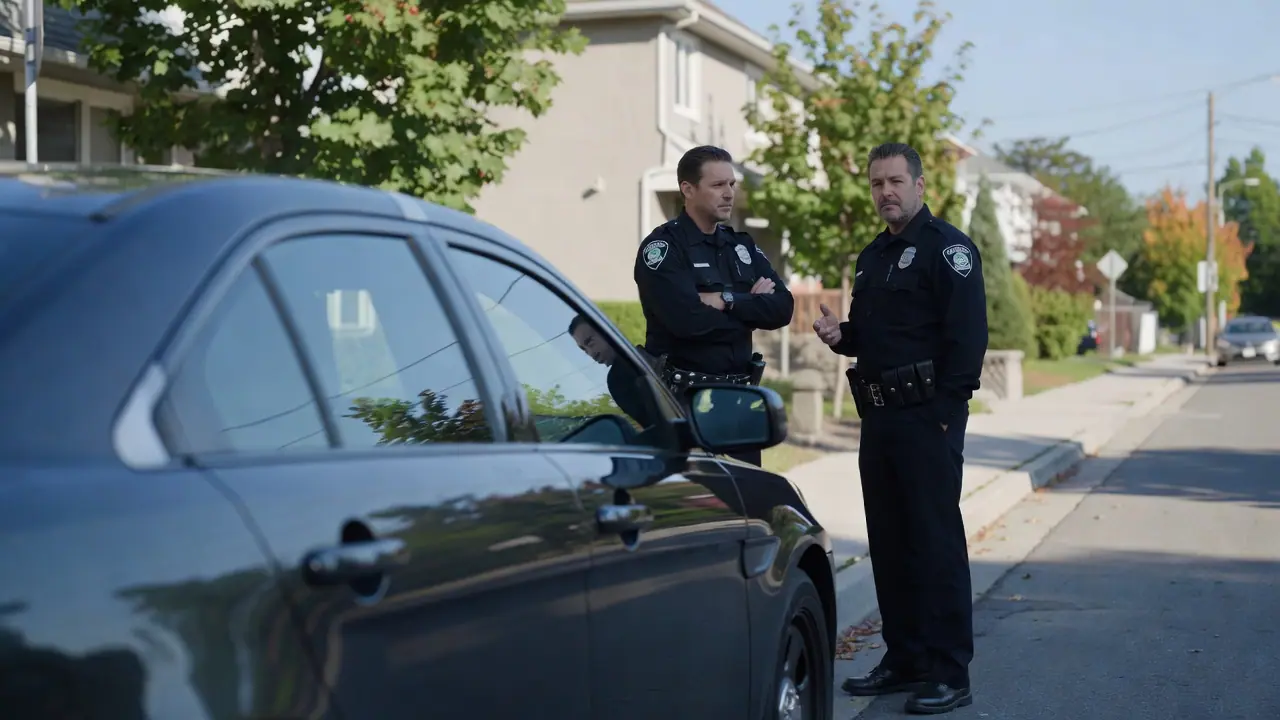
Accompanying images are AI-generated illustrations, not photographs of actual events or persons.
Important Legal Disclaimer
This page summarizes publicly reported information about ongoing criminal cases and is for general information only. All charges described are allegations that have not been tested in court, and every accused person is presumed innocent. This page is not legal advice. If you or your family have been affected by violent crime, please consult a lawyer about your specific situation.
Source: CP24
Named in this article? Request content removal