
Understanding the distinction between public and private property rights is crucial for lawful public demonstrations.
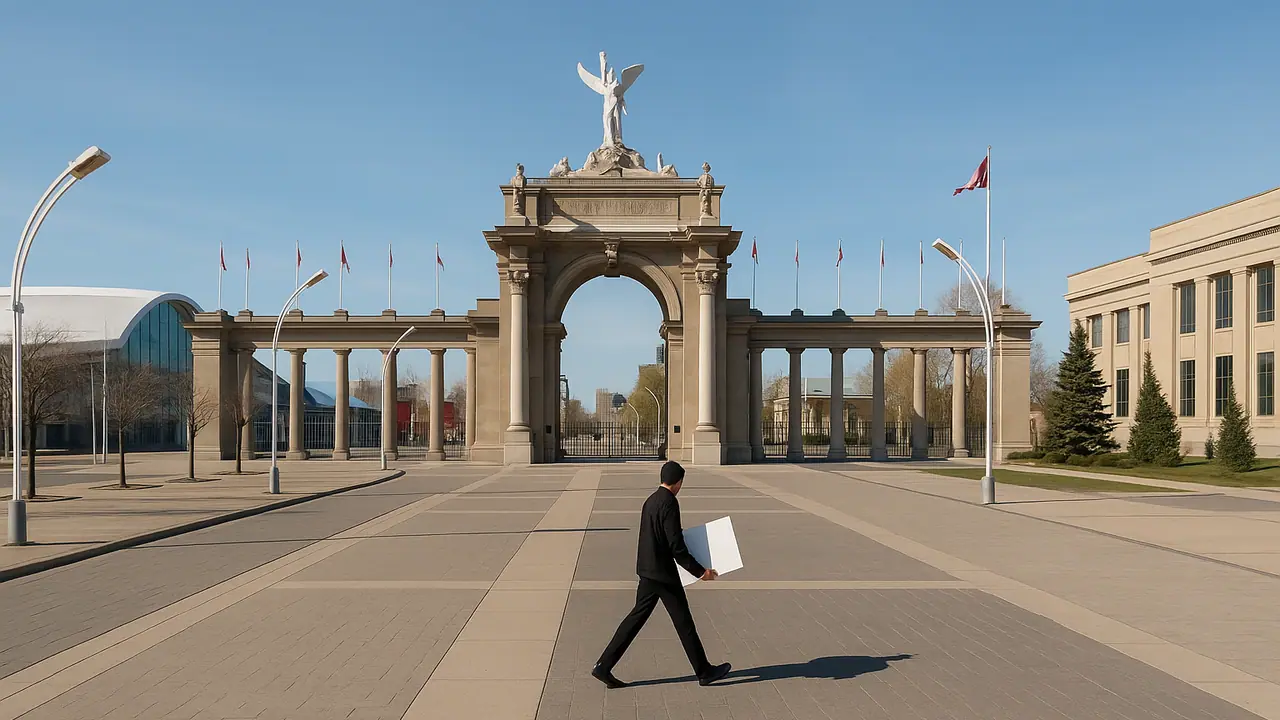
On June 26, 2026, Jan Maracewicz, a 64-year-old retiree, was arrested at Exhibition Place in Toronto for carrying a sign reading “FIFA = Greed.” Maracewicz, who had previously attended the World Cup in Qatar, expressed his discontent over the steep ticket prices for matches in Toronto, where the cheapest seats were $195, and Canada’s home opener tickets ranged from $1,300 to $3,035. He stood between the GO Station entrance and the Toronto Stadium with his sign, hoping to draw attention to what he viewed as FIFA's exclusion of average fans due to high costs.
Maracewicz was approached by security personnel who demanded he leave, stating that his actions were not permitted on the Exhibition Place property. Despite his assertion that he was in a public area, police arrested him for trespassing when he refused to leave. He was charged with Trespass to Property and fined $65, with a temporary ban from the premises.
Key Takeaways
Exhibition Place is considered private property despite city ownership.
Protesting requires understanding local trespass laws.
Expressing views publicly must comply with property regulations.
UL Lawyers Insight
For Ontario residents, this incident highlights the complexities of expressing opinions on private property, even if it seems public. The Trespass to Property Act allows property owners to control activities on their premises, including prohibiting protests. This means that even in seemingly public spaces like Exhibition Place, which is city-owned, property owners can enforce rules against demonstrations. It's crucial to understand that expressing dissent, such as Maracewicz's protest against FIFA, must be done within the legal boundaries set by property owners.
For those looking to express their views, ensuring compliance with local laws and property regulations is essential. If you're uncertain about your rights in similar situations, consulting with legal professionals can provide clarity.
Action Checklist
What You Should Do
Research property rights and regulationsUrgent
Understand where you can legally protest or express opinions
Obtain necessary permits for public demonstrations
Ensure compliance with local laws for organized protests
Comply with security personnel or police requestsUrgent
Avoid legal issues by following lawful orders to leave private property
Document interactions with security or police
Keep detailed records in case of legal disputes
Consult with legal professionals if chargedUrgent
Seek guidance to understand your rights and potential defenses
Your Rights and Options
In Ontario, the Trespass to Property Act grants property owners the authority to control access and activities on their premises. This means that even if a property is city-owned, like Exhibition Place, it can still be treated as private property concerning protest activities. If you're asked to leave by security or police, failure to comply can lead to arrest and fines, as seen in Maracewicz's case. It's important to know your rights and the legal distinctions between public and private spaces when planning to express your opinions.
If you find yourself facing legal challenges due to similar activities, understanding the specific regulations and seeking advice from experienced legal professionals can help protect your rights and inform your next steps.
Common Questions Answered
How UL Lawyers Can Help
Navigating the nuances of property laws and your rights to express opinions can be daunting. At UL Lawyers, we understand the importance of balancing free expression with legal compliance. Our team is here to help you understand your rights and provide guidance if you're facing legal issues related to trespassing or public demonstrations. Whether you need help with understanding property laws or defending against charges, we're just a consultation away. Reach out to us for support and clarity on your legal options. Our legal team will make space to hear what happened, answer your questions in plain language, and offer a free consultation when you feel ready.
Facing legal challenges for expressing your views? Our team can help you understand your rights and options.
About this article:
Summary prepared with AI assistance from the linked source's reporting. Edited by UL Lawyers for Ontario context.
Accompanying images are AI-generated illustrations, not photographs of actual events or persons.
Important Legal Disclaimer
This page provides general information about legal rights related to public demonstrations in Ontario. It does not constitute legal advice. For advice specific to your situation, please contact a legal professional.
Source: CP24
Named in this article? Request content removal