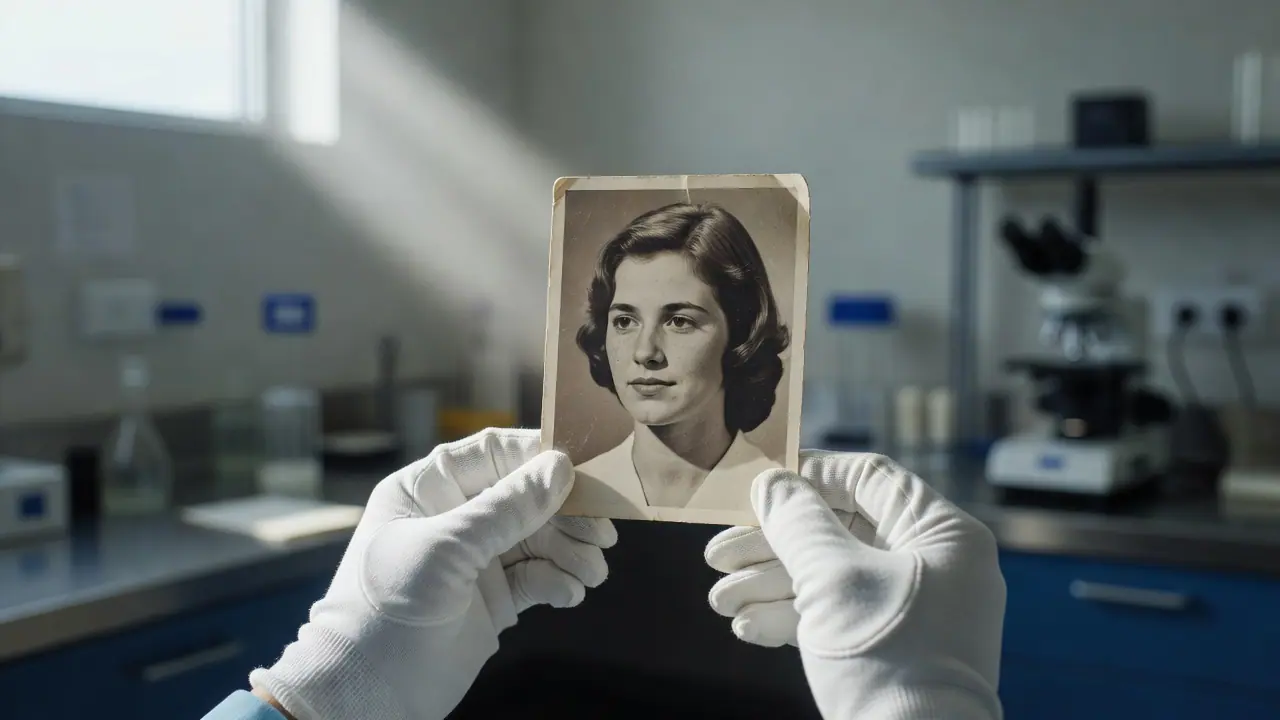

Genetic genealogy is giving investigators answers in cases that once seemed impossible to solve, but when the person identified has died, there is no trial and the evidence is never tested in court. Families in that position often have real questions about what legal options remain, and timing is critical.
The London Police Service says it has solved one of Ontario's longest-running cold case homicides: the killing of a 16-year-old girl in London, Ont., on January 9, 1968. At a press conference on Monday, police announced that DNA evidence and advanced genetic genealogy led them to identify the man they believe killed the teen, nearly 58 years after her death. According to the Toronto Sun, the Toronto Police Service's cold case unit and its genealogy team helped with the investigation. For anyone following how Ontario legal developments are being shaped by new forensic science, this case is a striking example.
Police say the man they identified was a former captain with the London Fire Department. He was 25 years old in January 1968. He died in 2018 following a long illness. Because he is deceased, police say no criminal charges can be laid. That means there will be no trial, and the evidence police relied on will not be tested in court.
The teen was a popular Grade 10 student and the daughter of a police officer. She worked at the Stanley Variety Store on Stanley Street at Wharncliffe Road in London. On the evening of January 9, 1968, she finished her shift at 6:35 p.m. and was last seen walking out the front of the store. She was never seen alive again.
Less than two hours later, at 8:10 p.m., three young people found her body at the Katherine Harley School. Officials determined that she had been strangled. She had also suffered a head injury.
The Toronto Sun described the investigation as a torch passed from one generation of detectives to the next, with officers never giving up on finding an answer for the teen and her family. Over the decades, the file moved through many investigators before modern DNA techniques and genealogy research allowed police to put a name to the person they believe is behind her death. The available reporting does not detail exactly how the genealogy work led to the identification.
For the teen's loved ones and the London community, Monday's announcement brings an answer after more than half a century. It does not bring the kind of resolution a criminal trial would offer, since a case cannot be prosecuted against someone who has died. Still, the announcement shows that police in Ontario continue to work on older unsolved cases, and that scientific tools unavailable in 1968 can change what is possible decades later.
Key Takeaways
London Police Service says DNA and genetic genealogy identified the man it believes killed a 16-year-old girl on January 9, 1968
Police say the man, a former London Fire Department captain who was 25 at the time, died in 2018, so no charges can be laid
The teen was last seen leaving the Stanley Variety Store at Stanley Street and Wharncliffe Road at 6:35 p.m.
Her body was found at 8:10 p.m. at the Katherine Harley School; officials determined she had been strangled
The Toronto Police Service's cold case unit and genealogy team helped with the investigation
Because there will be no trial, the police findings will not be tested in court
UL Lawyers Insight
This case shows how investigative genetic genealogy is changing criminal investigations in Ontario. Police can now compare crime-scene DNA with family trees built from genealogy databases, giving new life to files that sat unsolved for generations. For families who have waited years for answers, that can mean news arriving long after they stopped expecting it.
It also highlights a legal gap many people do not realize exists. In Canada, a criminal prosecution cannot proceed against someone who has died, so an identification like this one is never examined by a judge or jury. Families may be left wondering whether any other legal path exists, such as questions involving the deceased person's estate. Those questions are complex and depend heavily on timing, which is why understanding how estate claims and deadlines work can matter.
For everyday Ontarians, the case is also a reminder that DNA shared with consumer genealogy services may be used in ways people never anticipated. Our legal resource library is a good place to start learning about your rights.
Action Checklist
What You Should Do
Contact the investigating police service for case updates
Families can ask for information about the investigation and how conclusions were reached
Ask about victim services and support programs
Police can refer families to counselling and victim support resources in Ontario
Get legal advice about limitation periods promptlyUrgent
Claims, including those against a deceased person's estate, can be subject to strict deadlines
Gather and keep records related to the case
Police correspondence, news reports and family documents may help a lawyer assess your options
Keep a written log of communications with police and officials
Dates, names and details help you track what you have been told
Review privacy terms before uploading DNA to genealogy sites
Understand whether your genetic data may be shared with or searched by law enforcement
Your Rights and Options
When police identify someone who has died, families of victims are left without a criminal trial. In Ontario, the Victims' Bill of Rights, 1995 sets out principles for how victims should be treated, including access to information about an investigation. Families can ask the investigating service, here the London Police Service, for updates and for referrals to victim support programs.
Any civil claim connected to a death is shaped by strict timelines. Ontario's Limitations Act, 2002 generally sets a two-year deadline from when a claim is discovered, and the Trustee Act generally limits claims against a deceased person's estate to two years after death. Historical cases also raise questions about which rules applied at the time. If you are dealing with a similar situation, speaking with a lawyer can help you understand whether any options remain.
Common Questions Answered
How UL Lawyers Can Help
Learning new information about a loved one's death, even decades later, can bring up grief, anger and many unanswered questions. You may not know whether you have any legal options or where to begin. At UL Lawyers, we take the time to listen, explain the law in plain language, and review how deadlines and estate rules might apply to your situation. We can help you understand what is realistic and what steps make sense for your family. If you are facing questions like these, we invite you to reach out for a free, no-pressure consultation.
If news like this has raised questions about your own family's situation or legal options, our team is here to talk it through with you in a free consultation.
Ontario Road Report
One email a week with the road and collision stories we covered in your city and across Ontario.
About this article:
Summary prepared with AI assistance from the linked source's reporting. Edited by UL Lawyers for Ontario context.
Accompanying images are AI-generated illustrations, not photographs of actual events or persons.
Important Legal Disclaimer
This page summarizes news reporting about a historical homicide investigation in London, Ont., and reflects what police have stated publicly. No charges were laid and the police findings have not been tested in court. This page provides general information only and is not legal advice. Limitation periods and estate rules depend on specific facts, so please consult a lawyer about your own situation.
Source: TheTorontoSun
Named in this article? Request content removal