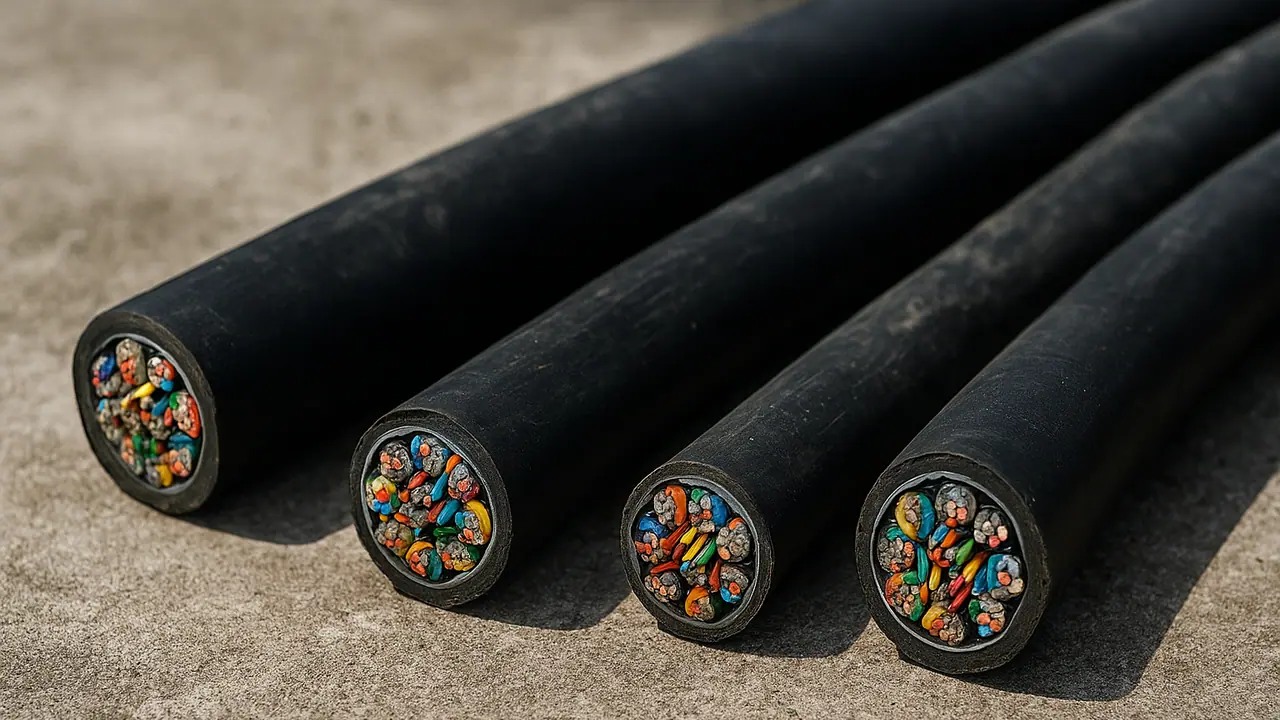

Copper theft not only disrupts vital services but also poses a significant legal risk for those involved.
In a troubling case of theft and community disruption, Halton Regional Police have arrested Stewart Winney, a 41-year-old man from Milton, on charges related to the theft of copper cables. Since early 2026, there have been multiple reports of copper thefts in Milton and Halton Hills, specifically involving telecommunications lines cut down from utility poles. The stolen copper was reportedly sold for cash at scrapyards, leading to significant service outages and costly repairs for local residents.
On June 6, 2026, police were alerted to a fire near Eighth Line and 5 Side Road in Milton, where they discovered a suspect burning insulation off the copper cables. Although the suspect fled the scene at high speed, he was apprehended on June 9, 2026. Winney faces several charges, including mischief under $5,000, possession of property obtained by crime over $5,000, and dangerous operation of a motor vehicle. UL Lawyers Legal Team is monitoring this case as it unfolds, noting the broader implications for community safety and legal accountability.
Key Takeaways
Copper thefts have caused significant service disruptions in Milton and Halton Hills.
Charges include mischief, possession of stolen property, and vehicle operation.
Community vigilance is essential to prevent similar crimes.
UL Lawyers Insight
For Ontario residents, especially those in rural areas, the theft of copper cables not only disrupts essential telecommunications services but also raises concerns about infrastructure security. Service outages can impact emergency communications, internet access, and more, making it critical for residents to be aware of such vulnerabilities. Moreover, the legal charges against the accused highlight the serious consequences of property crimes, reinforcing the importance of community vigilance and cooperation with law enforcement.
Residents are encouraged to report suspicious activities and understand how such charges are prosecuted under Canadian law, which may involve significant penalties and restitution requirements.
Action Checklist
What You Should Do
Report any suspicious activities or thefts to local authoritiesUrgent
Community vigilance can help prevent further crimes
Document any service disruptions and their impactUrgent
Evidence is crucial for any potential compensation claims
Consult with a lawyer if service disruptions lead to personal or financial loss
Legal advice can clarify your rights and options
Stay informed about local infrastructure vulnerabilities
Awareness can help in safeguarding against future incidents
Your Rights and Options
Residents have the right to reliable telecommunications services, and disruptions caused by theft can be legally addressed. If service outages lead to financial or personal loss, affected parties might have grounds for compensation under civil law. In Ontario, property crimes like theft over $5,000 are serious offences under the Criminal Code, which can lead to imprisonment and significant fines if convicted. Legal representation can help victims understand their rights and pursue any available remedies.
If you are affected by such disruptions or crimes, consider consulting a legal professional to explore your options.
Common Questions Answered
How UL Lawyers Can Help
Facing disruptions or damage from property crimes can be overwhelming. At UL Lawyers, we understand the stress these situations can cause and are here to help you navigate the legal landscape. Whether you need advice on your rights, assistance with a claim, or representation in legal proceedings, our team is ready to support you. Contact us for a free consultation to discuss how we can assist in protecting your interests and ensuring accountability.
Concerned about service disruptions or property crimes in your area? Our legal team can help you understand your rights and options.
About this article:
Summary prepared with AI assistance from the linked source's reporting. Edited by UL Lawyers for Ontario context.
Accompanying images are AI-generated illustrations, not photographs of actual events or persons.
Important Legal Disclaimer
This page provides general information and should not be construed as legal advice. For specific legal concerns, consult with a qualified professional. UL Lawyers disclaims any liability for actions taken based on this page.
Source: CityNewsTO
Named in this article? Request content removal