
A coroner's inquest can give families important answers and push for changes that protect the public, but it is not designed to decide legal responsibility. Families should understand early that inquests, civil claims, and their deadlines run on separate tracks.
A coroner's inquest into the death of a 28-year-old Black man who was shot in the head by police has heard from the supervisory officer at the scene. He told jurors his team would not have done anything differently because they were there for what they believed would be a routine arrest. The shooting happened on the evening of January 7, 2020, during an attempted arrest at a Mississauga townhouse complex where the man lived with his mother and stepfather. For readers following how Ontario's legal system reviews sudden deaths, the testimony offers a detailed look at how the arrest was planned.
According to an agreed narrative presented at the inquest, police had watched the man for several days while investigating a tip that he was trafficking drugs and had a gun. Investigators could not find evidence to back up those allegations. They decided instead that he could be arrested for an alleged breach of his bail conditions. Det. Jason Sweeting, who supervised the investigation, testified that police had not confirmed the man had a firearm. He said the team chose an open setting where they would have the most control. Other precautions included a tire-deflation device at the front passenger-side tire and a vehicle assigned to block the man's car if he got in before he was arrested.
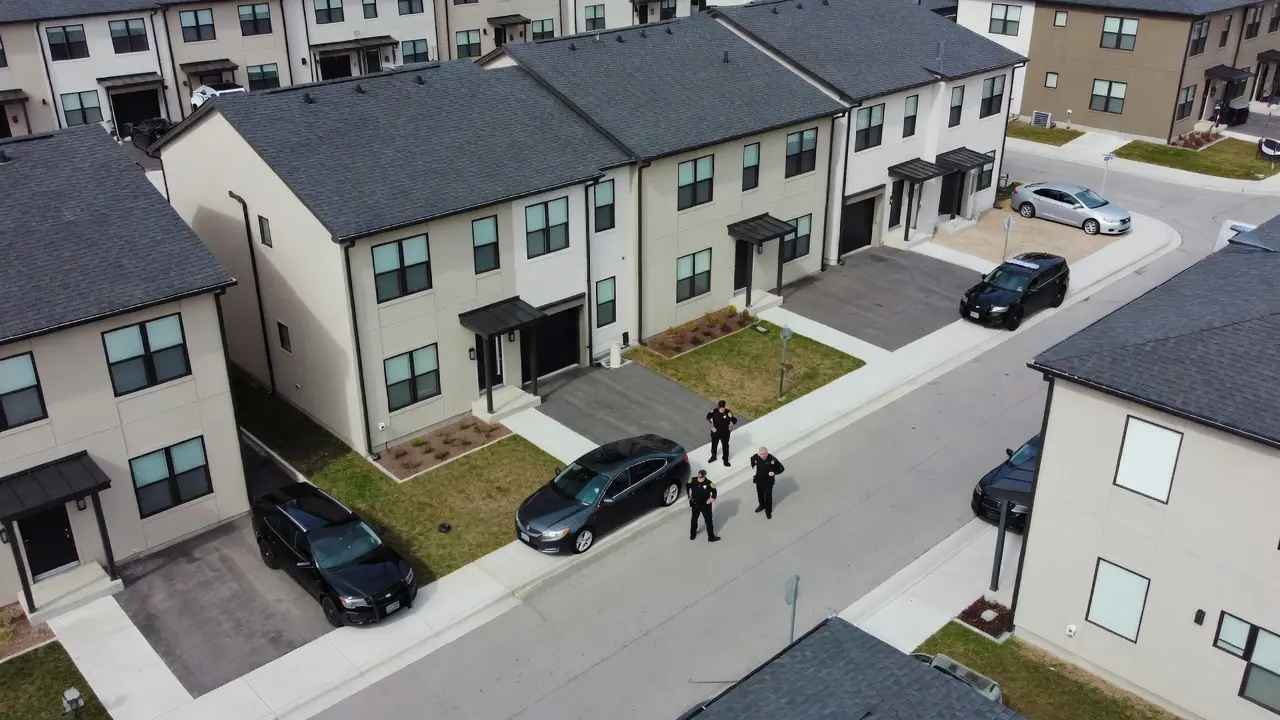
Jurors heard that plainclothes officers in unmarked vehicles waited at the complex for the man to leave his home. When he came out and walked to his car, the officer who was supposed to block it arrived late. Officers in unmarked cars and on foot rushed to surround the vehicle, and one officer on foot fired four gunshots. The man's car then crashed into the pillar of a nearby garage. Sweeting said the man reached his car faster than expected, which he said "threw a bit of a wrench into the plan." He said police did not arrest him at home because of safety concerns for officers and for the people living there. He added that he did not see the situation as high-risk until the man got into his car and started moving it. He acknowledged a tactical unit could have been called but said he did not think it was needed for a routine arrest. He also told the inquest he wished events had not unfolded the way they did.
The inquest has heard the man did not receive medical care until a Peel Regional Police tactical unit arrived about 20 minutes later and removed him from the car. Officers told the ambulance to stand by because police had not cleared the vehicle. Sweeting said the ambulance may have been nearby and dispatchers were asking whether it was safe to approach. He said he was concerned for the man's well-being but also weighed his own safety and that of other officers.
Forensic pathologist Dr. Ashwyn Rajagopalan, who performed the autopsy in 2020, testified the cause of death was a gunshot wound to the head. He said the car crash did not contribute to the head injury or the death. The man was declared brain dead when he arrived in hospital, and his heart stopped days later. Rajagopalan said it was hard to be certain, but he did not believe the man would have been conscious or able to speak, or only for seconds. He said he was surprised the man survived as long as he did. He had been told of a 15-minute delay in medical aid. Under cross-examination, he said a longer delay would not have significantly changed his findings, because he would not have expected the injury to be survivable.
Key Takeaways
A coroner's inquest is examining the death of a 28-year-old man shot by police at a Mississauga townhouse complex on January 7, 2020.
The supervising officer testified his team would not have done anything differently and saw the arrest as routine until the man got into his car.
Police could not corroborate a tip about drugs and a gun, and planned to arrest him for an alleged bail breach, according to an agreed narrative.
The inquest heard the man did not receive medical care until a tactical unit arrived roughly 20 minutes after the shooting.
The pathologist testified the gunshot wound to the head was the cause of death and that he would not have expected it to be survivable.
Under Ontario's Coroners Act, inquest juries can make recommendations but cannot make findings of legal responsibility.
UL Lawyers Insight
A coroner's inquest is a public hearing held under Ontario's Coroners Act. A jury listens to evidence and answers basic questions about a death: who died, when, where, how, and by what means. Juries can also make recommendations aimed at preventing similar deaths in the future. However, an inquest jury is not allowed to make any finding of legal responsibility. That means an inquest is about learning facts and improving public safety, not about blame.
For Ontario families, this distinction matters. Testimony at an inquest can shed light on what happened, but it is separate from any civil claim a family may choose to bring. Questions about whether anyone should be held legally accountable are decided in other forums, such as the courts. Families who want to understand those options often speak with experienced litigation lawyers who can explain how the processes differ. You can also find plain-language guides in our legal resource library.
Action Checklist
What You Should Do
Note the two-year limitation periodUrgent
Ontario's Limitations Act, 2002 generally gives two years to start a civil claim, and claims involving public bodies may have extra notice rules.
Ask about standing at the inquestUrgent
Close family members may be able to apply to take part, question witnesses, and suggest recommendations.
Request medical, autopsy, and hospital records
These records help you and your lawyer understand the medical evidence discussed at the inquest.
Preserve documents, messages, and photosUrgent
Keep anything related to the incident, including communications with police, hospitals, or officials.
Keep a record of expenses and losses
Funeral costs, lost income, and care expenses may be relevant to a Family Law Act claim.
Confirm who is the estate trustee
The estate trustee usually handles claims that belong to the person who died.
Get legal advice before giving formal statements
A lawyer can help you understand how your statements may be used in the inquest or other proceedings.
Your Rights and Options
When a loved one dies in an incident like the one described at this inquest, families have important rights. Under Ontario's Coroners Act, people with a substantial and direct interest in an inquest, often close family members, can ask for standing. Standing can allow them to take part, question witnesses, and suggest recommendations. Separately, the Family Law Act lets certain family members, such as parents, children, and spouses, seek damages for losses they suffer when a relative dies because of someone else's alleged wrongdoing.
Timing is critical. Ontario's Limitations Act, 2002 generally sets a two-year deadline to start a civil claim, and claims involving public bodies can carry extra notice rules. Waiting for an inquest to finish before getting advice can put that deadline at risk. If you are dealing with a loss like this, speaking with a lawyer early can help you protect your options.
Common Questions Answered
How UL Lawyers Can Help
Losing someone suddenly, and then hearing the details replayed in a public hearing, can be overwhelming. You may have questions about what happened, what an inquest can and cannot do, and whether your family has other options. At UL Lawyers, we take the time to listen and explain the process in plain language. We can help you understand your rights, keep track of key deadlines, gather the right records, and decide on next steps that feel right for your family. If you would like to talk it through, we offer a free, no-pressure consultation.
If your family is trying to make sense of a sudden loss and what an inquest means for you, we're here to help you understand your rights and deadlines in a free, confidential consultation.
Ontario Road Report
One email a week with the road and collision stories we covered in your city and across Ontario.
About this article:
Summary prepared with AI assistance from the linked source's reporting. Edited by UL Lawyers for Ontario context.
Accompanying images are AI-generated illustrations, not photographs of actual events or persons.
Important Legal Disclaimer
This page summarizes testimony reported from an ongoing coroner's inquest and provides general information only, not legal advice. Inquest testimony is evidence heard by a jury, not a finding of legal responsibility. The rights and deadlines that apply to families after a police-involved death depend on the specific facts, so please consult a lawyer about your own situation.
Source: CP24
Named in this article? Request content removal