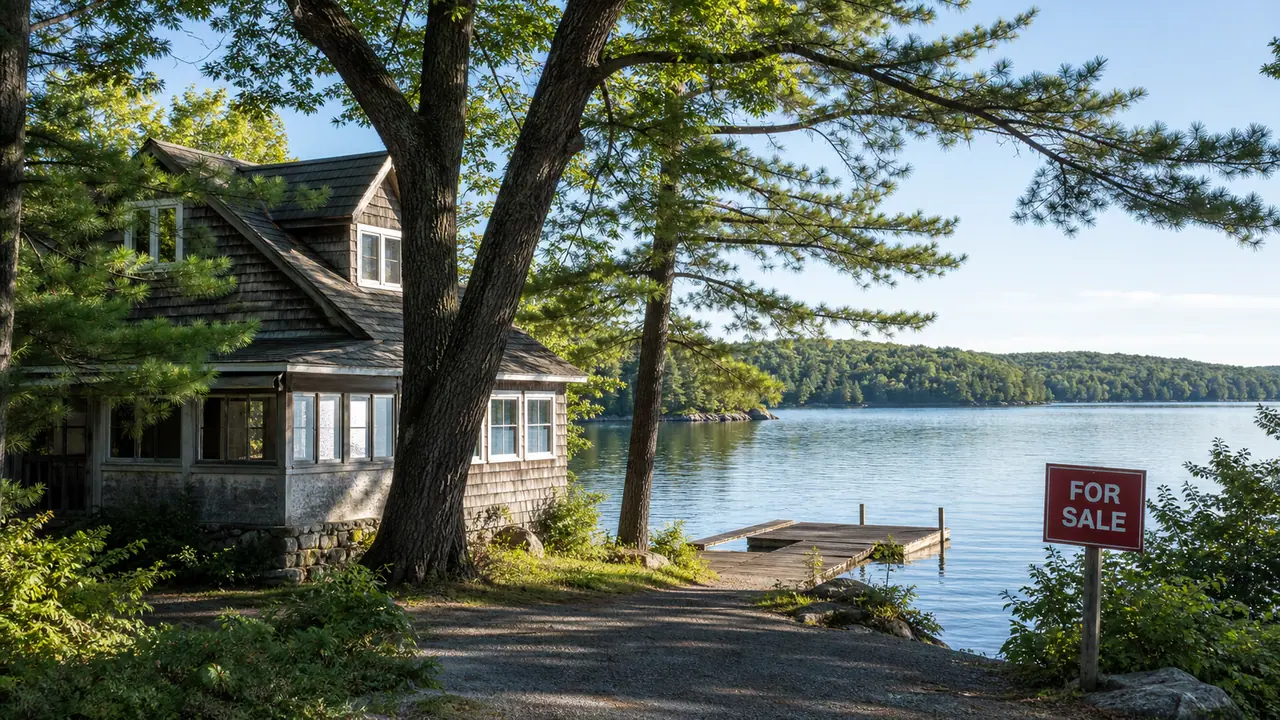

As cottages become integral to wealth strategies, aligning estate plans with these assets' evolving roles is crucial.
A recent REMAX Canada Recreational Property Report has shed light on the shifting attitudes towards cottage inheritance among Canadians, with findings indicating a significant change in how future generations plan to use these properties. The report highlighted that among those expecting to inherit a recreational property, none intended to use it solely as a vacation spot. Instead, 37% plan to rent it out, 19% aim to sell it, and 18% consider making it their primary residence.
This shift in perspective suggests cottages are increasingly being seen not just as seasonal retreats but as strategic assets in long-term wealth planning. For many, these properties represent potential for generating income, supporting retirement, or serving as an entry point into the broader housing market. The report also noted that 60% of current cottage owners include their properties in their long-term wealth strategies, with younger Canadians, particularly those aged 18 to 34, showing more interest in incorporating cottages into their financial plans than those over 35.
This evolving view of recreational properties raises important questions for families and their estate planning efforts. Wills & Estate Lawyers can play a crucial role in helping families reassess their estate plans to align with these new expectations.
Key Takeaways
Cottages are increasingly seen as financial assets, not just vacation spots.
Estate planning should reflect changes in cottage use and value.
Consult estate professionals to align plans with family goals.
UL Lawyers Insight
For Ontario families with cottages, these findings underscore the importance of proactive estate planning. As cottages transition from leisure assets to financial tools, it's vital to ensure that estate plans reflect these changes in purpose and value. This may involve revisiting wills, updating powers of attorney, and considering tax implications of property transfers. Consulting with estate planning professionals can help families navigate these complexities and make informed decisions about the future of their properties.
With the growing trend of viewing cottages as part of wealth strategy, it's crucial to consider how these assets will be managed and preserved for future generations.
Action Checklist
What You Should Do
Review your existing will for provisions about the cottage
Ensure it reflects current intentions for the property.
Consider updating power of attorney documents
Ensure they align with the new role of the cottage.
Consult with an estate lawyer about necessary changes
Professional review ensures legal compliance and strategic alignment.
Discuss inheritance plans with family members
Clear communication can prevent future disputes.
Evaluate potential tax implications of property transfer
Understanding tax liabilities is crucial for financial planning.
Your Rights and Options
Ontario residents who own cottages have the right to determine how these properties will be managed and passed down to future generations. Under the Succession Law Reform Act, you can outline your wishes in a will, ensuring that your intentions for the property are clear and legally binding. Additionally, if you intend to transfer ownership or make the cottage part of a trust, it's important to understand the tax implications and legal processes involved.
Consulting with an estate lawyer can provide clarity and guidance, ensuring your estate plan aligns with your family's goals and complies with Ontario law.
Common Questions Answered
How UL Lawyers Can Help
Understanding the evolving role of cottages in estate planning can be challenging, especially with changing family dynamics and financial goals. At UL Lawyers, we specialize in helping families create comprehensive estate plans that protect their assets and reflect their unique needs. Our team can assist with drafting wills, setting up trusts, and navigating the complexities of property inheritance. If you're considering how best to manage your cottage for future generations, we invite you to reach out for a free consultation to discuss your options.
Thinking about the future of your cottage? Our estate planning team is here to help ensure your plans align with your family's goals.
About this article:
Summary prepared with AI assistance from the linked source's reporting. Edited by UL Lawyers for Ontario context.
Accompanying images are AI-generated illustrations, not photographs of actual events or persons.
Important Legal Disclaimer
This article is intended for informational purposes only and does not constitute legal advice. For advice specific to your circumstances, please consult a qualified estate lawyer.
Source: TheTorontoSun
Named in this article? Request content removal