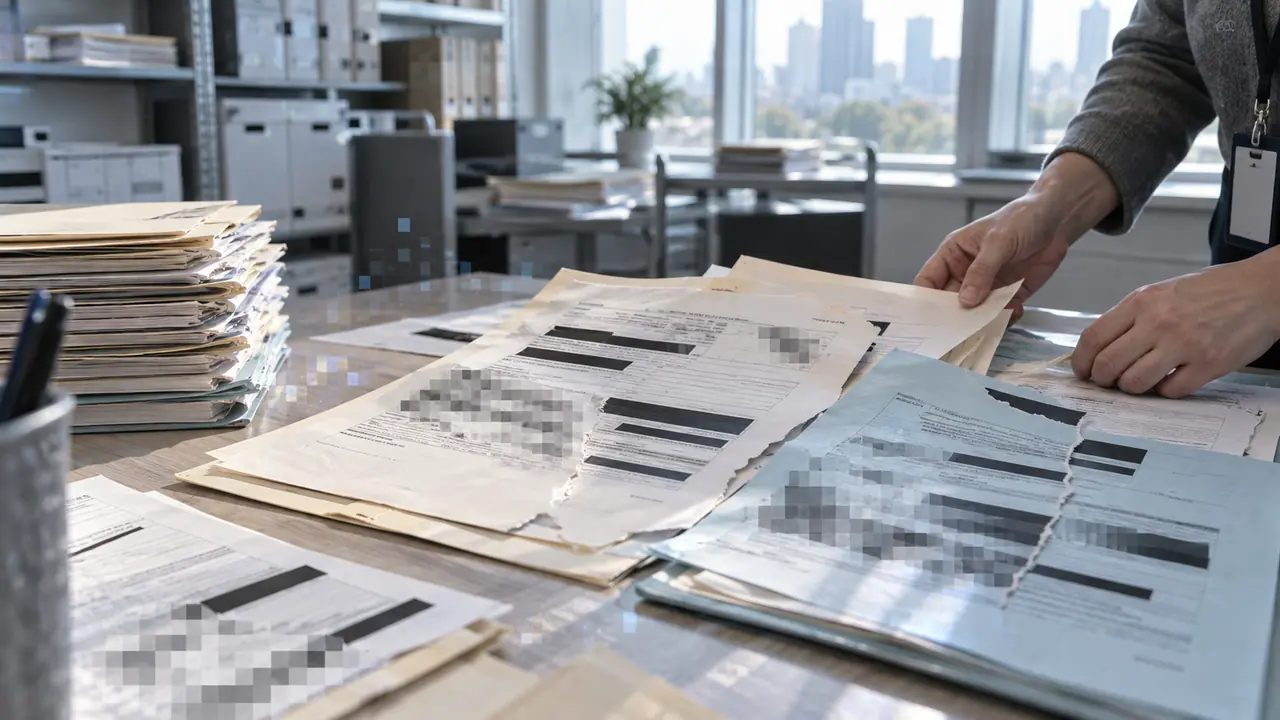

Data breaches in the legal system highlight the critical need for enhanced cybersecurity to protect sensitive information.
Earlier this year, Ontario's judicial system experienced a significant data breach when an unauthorized party gained access to court records. This breach affected the C-Track platform managed by Thomson Reuters, which serves the Ontario Court of Justice, Superior Court, and the Court of Appeal. These courts handle a wide range of cases, including criminal, civil, and family matters. The breach, discovered in March, may have compromised confidential, redacted, or sealed information from court documents.
The Ministry of the Attorney General was informed of the incident nearly a month later, on July 23. Although the exact content of the accessed files remains uncertain, individuals involved in court proceedings could potentially have their personal information exposed. Thomson Reuters has since implemented additional security measures and assures that the C-Track platform remains safe to use. For concerned individuals, a dedicated phone line and a free 12-month credit monitoring service are available.
Key Takeaways
Data breach affected Ontario's major courts' records
Potential exposure of confidential personal information
Thomson Reuters offers credit monitoring services
UL Lawyers Insight
The breach highlights the vulnerability of personal data within the legal system, raising concerns about privacy and security for Ontario residents. If your name appears in court documents, it's crucial to stay informed about potential exposure risks. This situation underscores the importance of robust cybersecurity measures across all sectors, especially those handling sensitive information. Affected individuals are encouraged to monitor their personal data and take advantage of the credit monitoring services offered.
For those involved in legal proceedings, understanding how this breach might impact your case or personal information is vital. For more information, you can explore our UL Lawyers Legal Team page.
Action Checklist
What You Should Do
Contact the dedicated phone line for inquiriesUrgent
Find out if your information was affected by the breach
Enroll in the offered credit monitoring serviceUrgent
Monitor your credit for any unusual activity
Consult with a legal professional
Understand your rights and potential next steps
Stay informed about updates from the court
Keep track of any new information regarding the breach
Your Rights and Options
As an Ontario resident, you have the right to be informed about how your personal data is handled, including in judicial contexts. Under the Personal Information Protection and Electronic Documents Act (PIPEDA), organizations must protect personal data against unauthorized access. If you suspect your information was compromised, it's important to contact the dedicated phone line set up by Thomson Reuters and consider taking advantage of the offered credit monitoring service. Additionally, consulting with legal professionals can help you understand your rights and any potential steps you might need to take.
In the event that the breach has impacted your legal proceedings, staying informed and proactive is crucial. You have the right to request clarification and updates from the court about any potential exposure of your information. Familiarizing yourself with your rights under Ontario's privacy laws can empower you to take action if needed.
Common Questions Answered
How UL Lawyers Can Help
If this story raises legal questions for you, our team can review your situation and walk you through your options. We help clients right across Ontario — practical guidance, no obligation.
Worried about how this data breach affects you? Contact us for a free consultation to discuss your rights and options.
About this article:
Summary prepared with AI assistance from the linked source's reporting. Edited by UL Lawyers for Ontario context.
Accompanying images are AI-generated illustrations, not photographs of actual events or persons.
Important Legal Disclaimer
This article provides general information and should not be considered legal advice. For advice specific to your situation, please consult a legal professional.
Source: TorontoStar
Named in this article? Request content removal