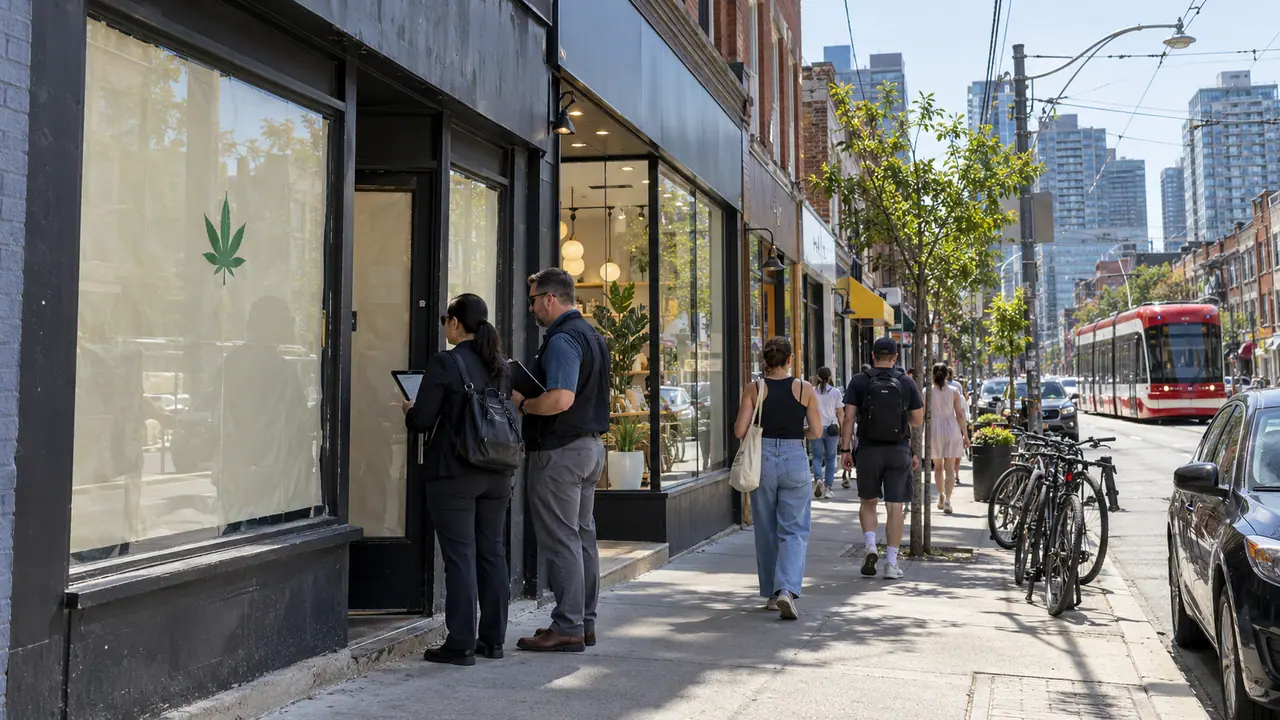

This move by the Ontario government is a significant step towards ensuring a safer and more equitable cannabis market.
On October 19, 2026, the Ontario government announced measures to tackle illegal cannabis storefronts, a decision welcomed by the approximately 1,800 legal cannabis retailers across the province, including areas like Bathurst and Dupont streets in Toronto. The proposed changes will empower the Alcohol and Gaming Commission of Ontario (AGCO) to inspect suspected illegal storefronts, seize contraband products, and impose fines. This initiative comes in response to data showing that around 30% of Ontario's cannabis retail market is still dominated by illegal operators, nearly a decade after legalization. Paul Macchiusi, owner of Minerva Cannabis near Bathurst Street, expressed relief that efforts are becoming proactive instead of reactive.
In the past, enforcement responsibilities were often shuffled between different agencies, causing frustration among legal operators like Macchiusi. The AGCO's new authority is expected to streamline the process, allowing more direct action against illicit dispensaries. Prior attempts to curb illegal sales included a $31 million investment by the Ontario government to fund the Provincial Joint Forces Cannabis Enforcement Team, led by the Ontario Provincial Police, aimed at tackling illegal cannabis production and sales.
Key Takeaways
AGCO to gain new powers to inspect and fine illegal cannabis stores.
Illegal cannabis accounts for about 30% of the market, affecting legal retailers.
The move aims to protect consumers and support legal business operations.
UL Lawyers Insight
For Ontario residents, this move could mean a safer and more regulated cannabis market. Legal cannabis products go through rigorous testing and approval processes, ensuring quality and safety, which illegal products may not. By potentially reducing the presence of illegal dispensaries, the government aims to protect consumers and level the playing field for legal retailers. This change could also mean better consumer confidence in purchasing from legal sources, knowing the products meet Health Canada standards.
Beyond consumer safety, these measures can have economic implications, such as creating a fair business environment where legal retailers do not have to compete with illicit stores that can offer lower prices due to avoiding taxes and fees. Understanding these changes is crucial for both consumers and business owners in Ontario who are part of the cannabis market.
Action Checklist
What You Should Do
Verify if your cannabis retailer is licensedUrgent
Only purchase from licensed retailers to ensure product safety.
Report suspected illegal cannabis activitiesUrgent
Notify AGCO or local authorities if you suspect illicit operations.
Stay informed about cannabis regulations
Keep up with changes in laws to understand your rights and obligations.
Consult legal advice for business compliance
Ensure your cannabis business complies with all regulations and licensing requirements.
Educate yourself on the risks of illegal cannabis
Understand the health and legal risks associated with unregulated cannabis products.
Your Rights and Options
As a consumer in Ontario, you have the right to purchase cannabis products that are safe and meet the standards set by Health Canada. This regulation aims to ensure that only legal and tested products are available to you, minimizing the risks associated with unregulated goods. Consumers should be vigilant about where they purchase cannabis and ensure they are buying from licensed sources.
For legal retailers, this legislation supports your right to operate in a fair market, where all competitors adhere to the same regulatory and financial obligations. If you suspect an illegal operation, you can report it to the AGCO for investigation. Retailers can also seek advice from legal professionals on how to navigate these changes and protect their business interests.
Common Questions Answered
How UL Lawyers Can Help
If you're navigating the complexities of Ontario's cannabis regulations, our team at UL Lawyers is here to help. We understand the challenges faced by both consumers and legal cannabis businesses, and we're committed to providing guidance and support. Whether you need help understanding your rights, reporting illegal activities, or ensuring compliance with new regulations, we offer a free consultation to discuss your specific situation and explore your options.
Curious about how these changes might affect you? Reach out for a free consultation to discuss your rights and options.
About this article:
Summary prepared with AI assistance from the linked source's reporting. Edited by UL Lawyers for Ontario context.
Accompanying images are AI-generated illustrations, not photographs of actual events or persons.
Important Legal Disclaimer
This page provides general information about recent legal developments in Ontario's cannabis market. It is not legal advice. For advice regarding your specific situation, please consult with a legal professional.
Source: CP24
Named in this article? Request content removal