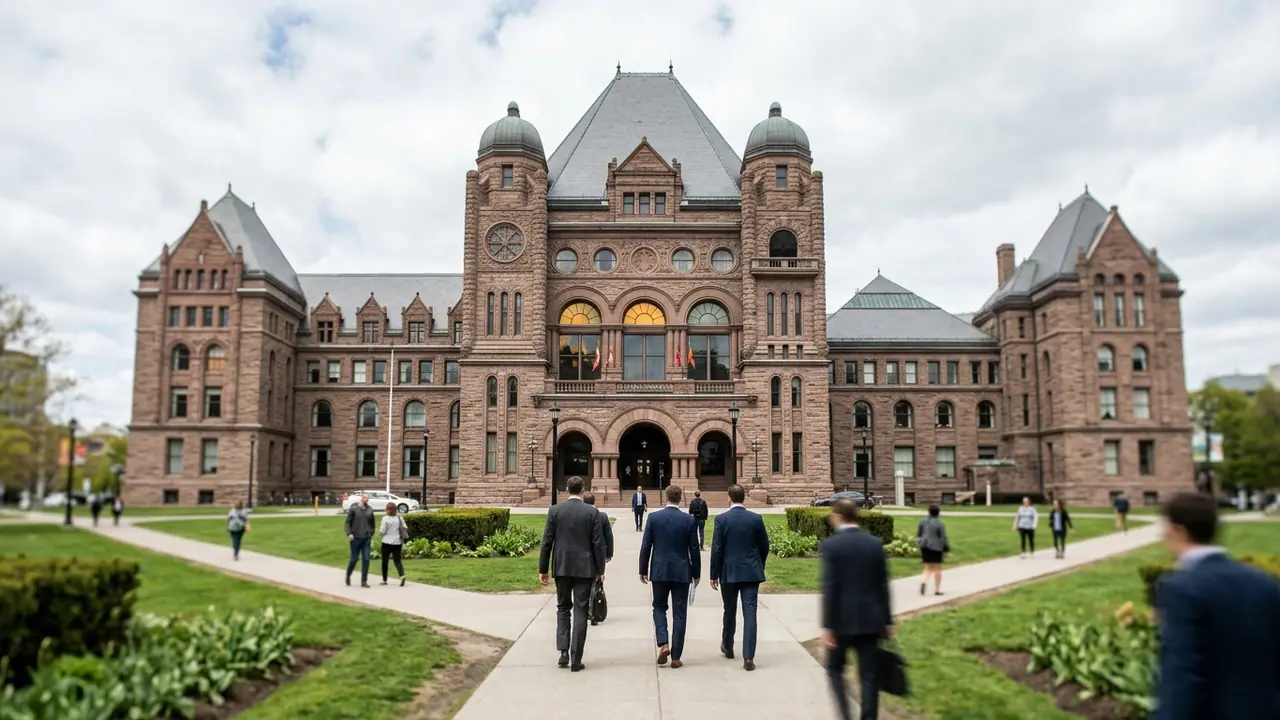

This regulatory change could significantly impact daily commutes, making it crucial for drivers to stay informed and adapt to new traffic patterns.
In a move that could change the daily commute for many Ontarians, the Ford government has proposed allowing single-occupant vehicles to use High Occupancy Vehicle (HOV) lanes during off-peak hours. This proposed regulatory amendment to the Highway Traffic Act was announced by Transportation Minister Prabmeet Sarkaria, who noted that it aims to reduce congestion and improve travel times on highways such as the QEW, Highway 403, and Highway 410.
The changes are expected to roll out by the end of 2026, after public consultations. Currently, HOV lanes are reserved for vehicles with two or more occupants, among other specific categories.
Key Takeaways
Solo drivers may use HOV lanes during off-peak hours.
Peak periods will remain restricted for multi-occupant vehicles.
Public consultation will finalize the rules by the end of 2026.
UL Lawyers Insight
For Ontario residents, especially those commuting through busy areas like Toronto and Mississauga, this change could mean faster travel during non-rush hours. By opening up HOV lanes to solo drivers outside peak times, the province hopes to better utilize existing infrastructure and potentially save billions in lost productivity due to gridlock. If you're wondering how this might affect your daily drive or what the rules will be, understanding the new traffic regulations and consulting with legal experts can provide clarity.
Action Checklist
What You Should Do
Stay updated on public consultation announcements
Participate to express your views on the proposed changes.
Monitor traffic regulation updates in Ontario
Ensure compliance with new rules when they take effect.
Review current traffic laws affecting HOV lane use
Understand existing restrictions and permissions.
Plan your commute around peak and off-peak hours
Optimize travel times with the new regulations.
Your Rights and Options
As an Ontario driver, it's important to stay informed about changes to traffic laws that could impact your commute. While these proposed changes aim to ease congestion, they also require understanding new road rules to avoid potential fines or penalties. If you have questions about how these changes might affect you or need legal advice on traffic violations, consulting with experienced legal professionals can help ensure you understand and comply with the new regulations.
Common Questions Answered
How UL Lawyers Can Help
Navigating changes to traffic laws can be confusing, especially when they affect your daily routine. At UL Lawyers, we understand the importance of staying informed and compliant with Ontario's legal changes. Our team can help you understand how these proposed updates to HOV lane access could impact your commute and provide guidance on any legal questions you might have. Don't hesitate to reach out for a free consultation to discuss your concerns and ensure you're navigating these changes smoothly.
Curious about how these changes might impact your daily commute? Let us help you understand your legal options.
About this article:
Summary prepared with AI assistance from the linked source's reporting. Edited by UL Lawyers for Ontario context.
Accompanying images are AI-generated illustrations, not photographs of actual events or persons.
Important Legal Disclaimer
This information is provided for educational purposes and does not constitute legal advice. Please consult with a qualified attorney for advice regarding your specific situation.
Source: CityNews Toronto
Named in this article? Request content removal