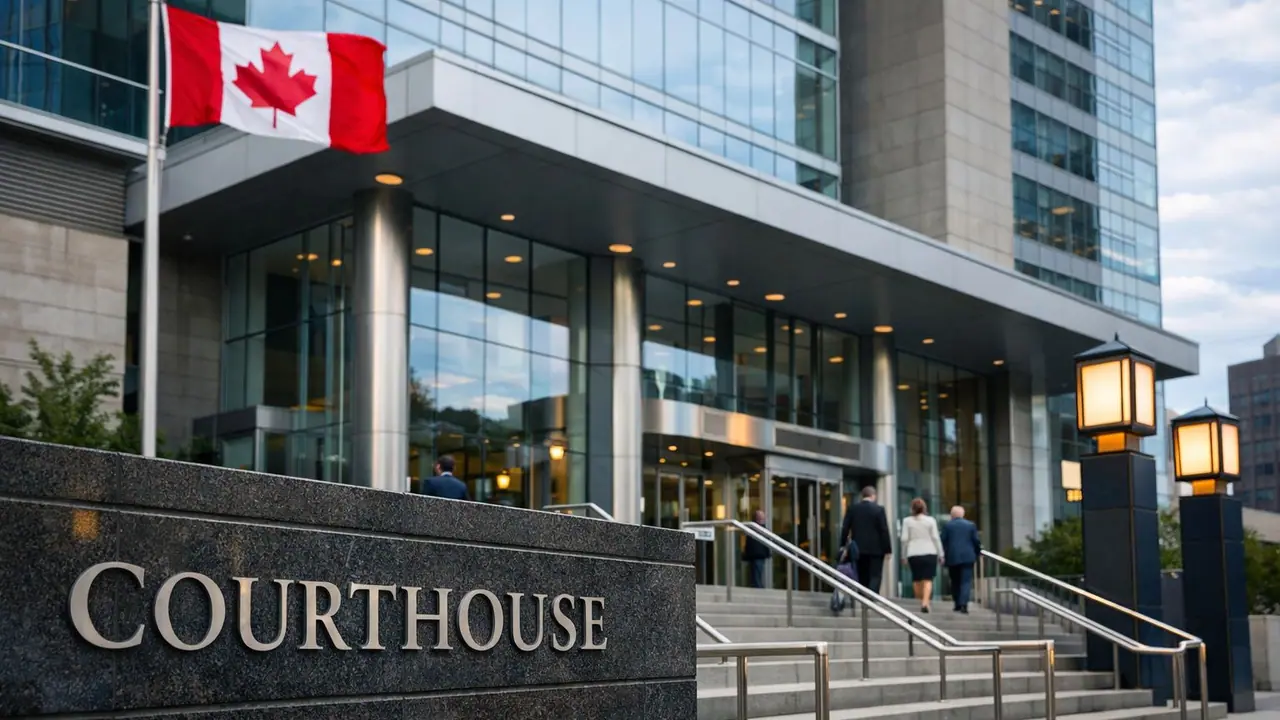

The introduction of a stand-alone offence for hate crimes could significantly improve the legal system's ability to address and deter hate-motivated acts.
In a significant legal development, the federal government has proposed a bill to create a stand-alone offence for hate crimes, aiming to strengthen the investigation and prosecution of such acts. This proposal is a response to a dramatic rise in hate crimes across Canada, including incidents in Ottawa, where hate-motivated assaults have brought community safety into question. Bill C-9, currently under review by the Senate human rights committee, seeks to ensure hate crimes are more readily identified and prosecuted, impacting residents in Mississauga, Brampton, Toronto, and beyond. UL Lawyers Legal Team emphasizes the importance of staying informed about these changes, which could significantly affect how hate crimes are addressed legally.
Key Takeaways
Bill C-9 proposes a stand-alone offence for hate crimes.
Aims to improve investigation and prosecution of hate crimes.
Addresses the rise in hate crimes, particularly in Ontario.
UL Lawyers Insight
For Ontarians, this legislative change means that hate crimes could be more effectively prosecuted, potentially leading to stronger deterrents against such acts. With hate crimes rising by 169% between 2018 and 2024, the introduction of a specific offence could provide clearer guidelines for law enforcement and the judicial system. Residents of Ontario, especially those in diverse cities like Toronto and Ottawa, may feel a greater sense of security knowing that hate-motivated crimes are being taken seriously.
This legislative advancement underscores the importance of understanding your rights and the legal implications of hate crimes in your community.
Action Checklist
What You Should Do
Report hate crimes to local authorities immediatelyUrgent
Ensure the incident is documented and investigated promptly
Gather evidence of the hate-motivated actUrgent
Collect any available evidence such as photos, videos, or witness statements
Consult with a legal professionalUrgent
Understand your rights and legal options under the new legislation
Stay informed about the progress of Bill C-9
Follow updates to understand how the changes may affect your rights
Educate your community on the implications of hate crimes
Raise awareness about the legal consequences of hate-motivated acts
Your Rights and Options
Under this new legislation, Ontario residents will have increased protection against hate crimes, with the legal system better equipped to handle such cases. If you or someone you know is affected by a hate crime, it's crucial to report the incident to the authorities immediately. The proposed changes aim to ensure these cases are not just prosecuted as regular offences but recognized for their hate motivations. For more information on how this law may affect your rights, you can consult with experienced legal professionals who can provide guidance tailored to your situation.
Common Questions Answered
How UL Lawyers Can Help
At UL Lawyers, we understand the impact that hate crimes can have on individuals and communities. Our team is dedicated to staying informed on legal developments like Bill C-9 to provide you with the support and guidance you need. Whether you're seeking advice on your rights or need assistance navigating the legal system, we're here to help. Contact us for a free consultation to discuss how we can assist you in understanding and exercising your rights under this new legislation.
Have questions about how this new legislation affects your rights? Reach out to our legal team for guidance.
About this article:
Summary prepared with AI assistance from the linked source's reporting. Edited by UL Lawyers for Ontario context.
Accompanying images are AI-generated illustrations, not photographs of actual events or persons.
Important Legal Disclaimer
This article provides general information about new legislation on hate crimes and does not constitute legal advice. For specific legal inquiries, please consult a qualified lawyer.
Source: CityNews Toronto
Named in this article? Request content removal