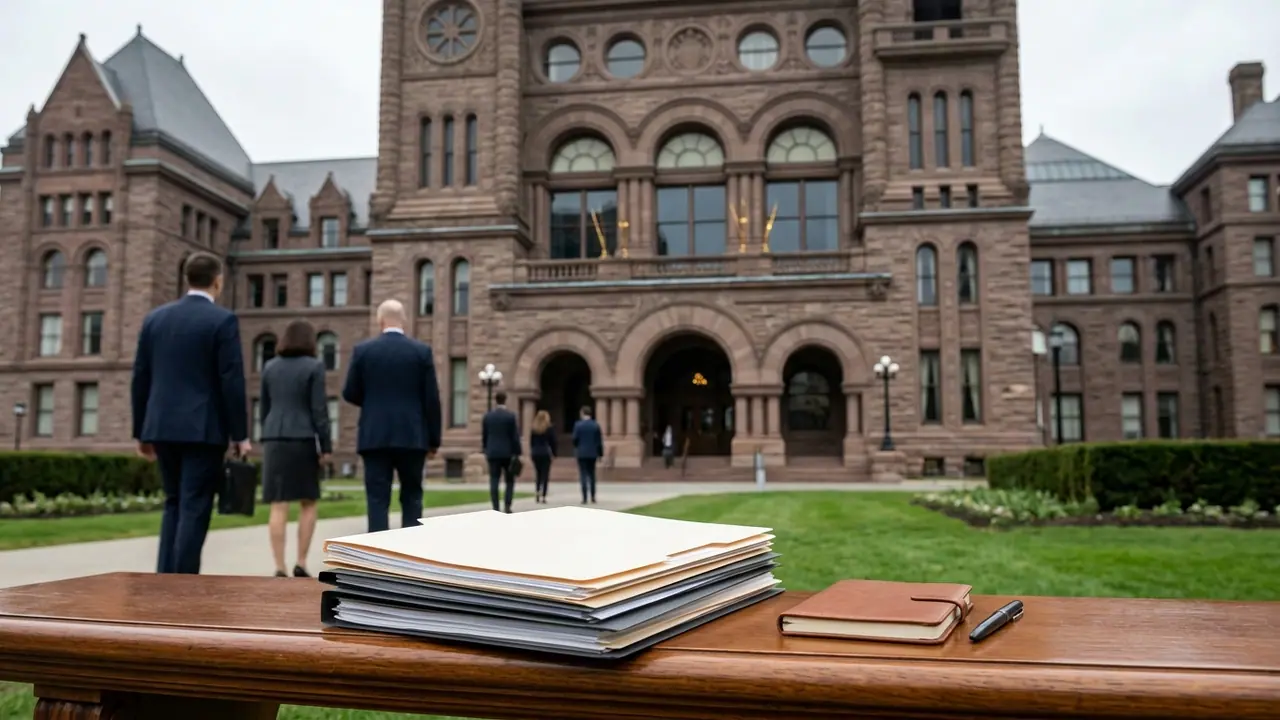

While the defeat of Lydia's Law is a setback, survivors in Ontario still have important protections under the current legal system.
In a significant decision, the Ontario government, led by Premier Doug Ford, voted down a proposed bill aimed at strengthening court cases related to sexual assault. This bill, known as Lydia's Law, was intended to provide more robust support for survivors navigating the legal system. This vote took place amidst ongoing discussions about how to improve protections and support for victims across Ontario, including in major city centers like Toronto, Mississauga, and Brampton.
Key Takeaways
The bill aimed to strengthen legal support for sexual assault survivors.
The Ford government voted against the bill.
Current procedures and support systems remain unchanged.
UL Lawyers Insight
For Ontario residents, particularly victims of sexual assault, this decision means that the anticipated changes to how these cases are handled in court will not be coming into effect. Without these legislative enhancements, survivors may face continued challenges in pursuing justice. Legal professionals and advocacy groups had hoped these measures would facilitate more successful prosecutions and support for survivors, making it critical for those affected to understand their current legal options.
If you're involved in such cases, knowing the existing legal framework and resources available remains vital. UL Lawyers' Legal Team is committed to staying informed on these developments to better assist our clients.
Action Checklist
What You Should Do
Understand your rights under the Criminal Code
Familiarize yourself with legal protections and procedures for sexual assault cases.
Seek support from Ontario's Victim ServicesUrgent
Access programs that provide support throughout the legal process.
Consult with a specialized lawyerUrgent
Get expert advice tailored to your situation and legal needs.
Document any evidence related to the assaultUrgent
Evidence is crucial for building a strong legal case.
Stay informed about any future legislative changes
Keep track of potential changes to laws that may affect your case.
Your Rights and Options
Despite the non-passage of this bill, survivors in Ontario still have important rights under Canadian law. The Criminal Code of Canada provides legal frameworks for prosecuting sexual assault, ensuring the rights of victims are protected during court processes. Additionally, Ontario's Victim Services offer support programs to assist survivors through their recovery and legal journey. If you are navigating these complex legal waters, consulting with an experienced lawyer can provide clarity and support.
Our legal team is here to guide you through your rights and options.
Common Questions Answered
How UL Lawyers Can Help
We understand how daunting it can be to face legal challenges, especially in sensitive matters like sexual assault. At UL Lawyers, our experienced team is dedicated to providing compassionate and informed legal assistance, ensuring you have the support and guidance needed to navigate the legal system. Reach out for a free consultation to discuss your situation and learn how we can assist you in protecting your rights and pursuing justice.
If you're affected by this development, contact us for a compassionate, free consultation to explore your legal options.
About this article:
Summary prepared with AI assistance from the linked source's reporting. Edited by UL Lawyers for Ontario context.
Accompanying images are AI-generated illustrations, not photographs of actual events or persons.
Important Legal Disclaimer
This page provides general information and does not constitute legal advice. For specific guidance on your situation, consult with a qualified legal professional.
Source: Global News : Canada
Named in this article? Request content removal