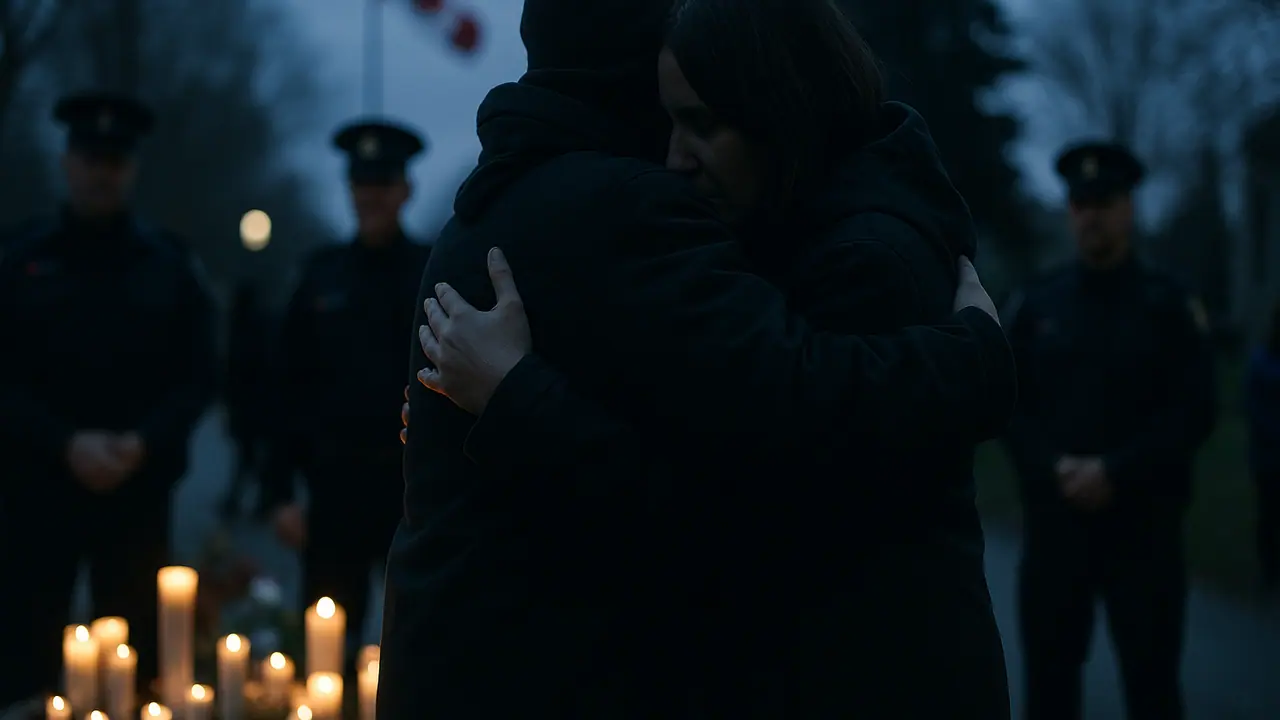

Support networks like SOLE play a critical role in helping families cope with the loss of a loved one in the line of duty.
In Ontario, a dedicated network known as the Survivors of Law Enforcement (SOLE) is stepping up to support families of police officers killed in the line of duty. This volunteer-based group, led by Nancy MacDonald, herself a widow of a fallen officer, provides emotional support, mentorship, and advocacy for grieving families. Based in Toronto, SOLE has offered its services in various regions, including attending memorials and court sessions.
This year alone, the network provided support to families like that of Sgt. Brandon Malcolm, who tragically died in a single-vehicle accident while on duty in April. The group also stands ready to assist the family of Const. Marc Pinizzotto, who was recently slain, further highlighting their commitment to supporting those affected by such devastating losses.
Key Takeaways
SOLE supports families of fallen officers across Ontario.
The network provides emotional and practical resources.
SOLE's involvement includes attending memorials and court proceedings.
UL Lawyers Insight
The existence of a support network like SOLE is crucial for Ontario residents, particularly those directly impacted when a loved one dies in the line of duty. Such networks ensure that families receive the necessary emotional and practical support during their most challenging times. By providing resources, mentorship, and advocacy, SOLE helps families navigate the aftermath of their loss. This community-driven approach fosters resilience and offers a lifeline to those who may otherwise feel isolated in their grief.
The involvement of SOLE in court proceedings and memorials also underscores the legal and social support available to affected families, ensuring they are not alone in their journey.
Action Checklist
What You Should Do
Reach out to support networks like SOLEUrgent
Connect with groups offering emotional and practical support
Attend memorials and community gatherings
Participate in events that honor the fallen and provide community support
Consult with a legal professionalUrgent
Understand your rights and any legal processes that may follow
Document any communications related to the officer's deathUrgent
Keep records of official communications for legal and personal purposes
Explore available grief support resources
Access counseling or support groups to aid in the grieving process
Your Rights and Options
Families of officers killed in the line of duty in Ontario have the right to access support networks like SOLE. These organizations provide not only emotional support but also practical assistance in navigating legal processes following a tragedy. In Ontario, the Police Services Act and other relevant legislation ensure support for families, though accessing these resources can require guidance from experienced professionals or community groups like SOLE.
If you're facing such a situation, understanding your rights and the available support systems is essential. Contacting a legal professional can also help to clarify any questions regarding legal entitlements and processes during this difficult time.
Common Questions Answered
How UL Lawyers Can Help
Losing a loved one in the line of duty is an unimaginable hardship. At UL Lawyers, we understand the complexities and emotional strain involved. Our team is here to provide compassionate support and legal guidance tailored to your unique needs. We can assist in understanding your legal rights, navigating any necessary legal processes, and connecting you with support networks like SOLE. Reach out for a free consultation and let us help you during this challenging time.
If you've lost a loved one in the line of duty, our team is here to offer support and guidance—reach out for a free consultation.
About this article:
Summary prepared with AI assistance from the linked source's reporting. Edited by UL Lawyers for Ontario context.
Accompanying images are AI-generated illustrations, not photographs of actual events or persons.
Important Legal Disclaimer
This page provides general information and does not constitute legal advice. For specific guidance, consult a legal professional.
Source: TorontoStar
Named in this article? Request content removal