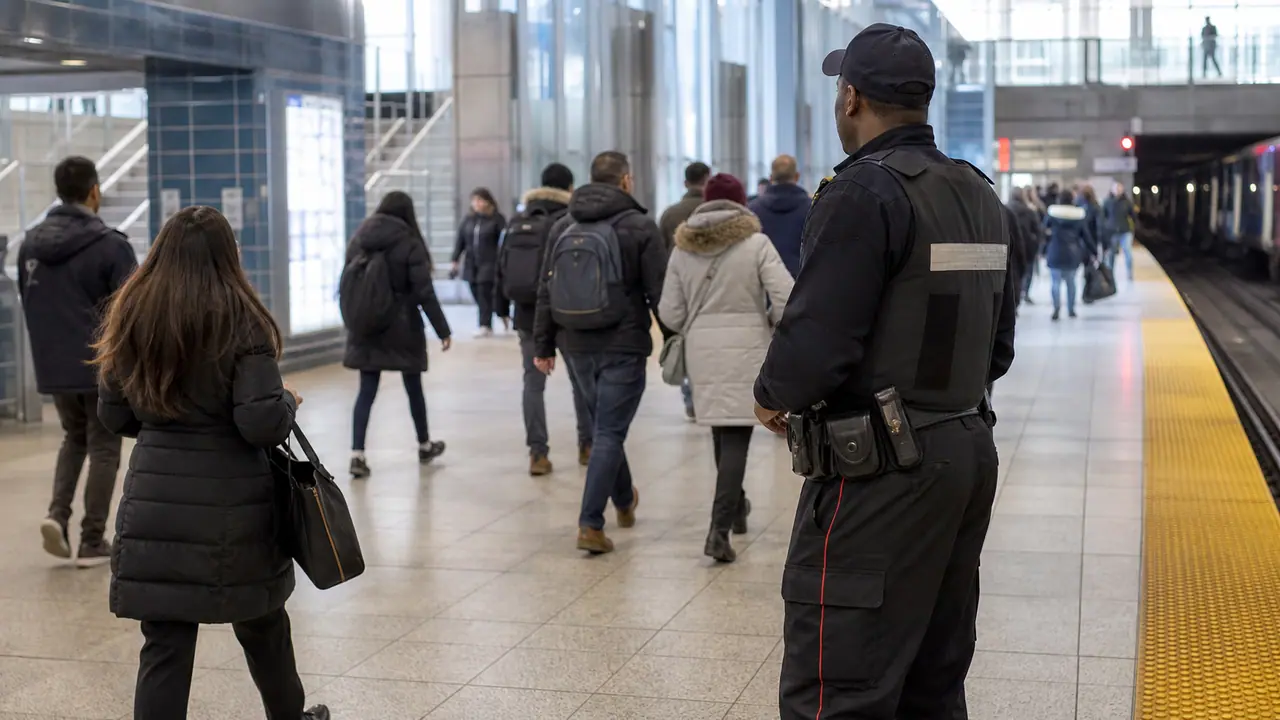

Empowering transit officers to arrest for drug use is a bold move that could redefine public transit safety in Ontario.
On a bustling Saturday morning at the Yonge-Bloor station in Toronto, commuters were greeted with the news of a significant change in the city's transit enforcement. The Ontario government has granted Toronto Transit Commission (TTC) special constables new powers to ticket and arrest individuals for illicit drug use on transit property. This decision is part of the broader amendments under the Restricting Public Consumption of Illegal Substances Act.
Previously, these officers could only arrest individuals for offenses like trespassing or liquor consumption. Now, they can also seize illegal substances and ensure compliance, though the full implementation awaits logistical preparations, such as training and evidence handling. This move by Ontario is pioneering in Canada, prompting interest from other regions like Edmonton, where officials are considering similar measures.
Key Takeaways
Ontario transit officers gain new powers to arrest for drug use.
Changes aim to improve safety on TTC platforms and vehicles.
Other Canadian cities are monitoring Ontario's approach closely.
UL Lawyers Insight
For Ontario residents, this regulatory change represents a shift in how public transit safety is managed. The ability of TTC special constables to arrest for drug use aims to address the growing concerns about safety and visibility of illegal activities on public transit. This could mean a more secure environment for commuters, though it also raises questions about civil liberties and the potential for misuse of power.
Other cities may look to Ontario's example when considering their own enforcement policies, which could lead to a nationwide shift in transit policing. If you're a frequent transit user, staying informed about your rights and the role of these officers is essential, particularly if you find yourself in a situation involving enforcement. For more insight into legal developments impacting public spaces, [UL Lawyers Legal Team|visit our resource page].
Action Checklist
What You Should Do
Stay informed about new enforcement powers
Understanding these powers helps you know what to expect on transit.
Know your rights when approached by transit officers
Ensure officers provide identification and reasons for enforcement actions.
Document any encounters with transit officersUrgent
Keep detailed records if you feel your rights were violated.
File a complaint if necessary
Use formal channels like the TTC to address grievances.
Consult legal professionals for adviceUrgent
Seek guidance if you face legal issues related to transit enforcement.
Your Rights and Options
As an Ontario resident, understanding your rights in the context of these new enforcement powers is crucial. The powers granted to transit officers are regulated under the Restricting Public Consumption of Illegal Substances Act, meaning officers must adhere to specific protocols when making arrests or issuing tickets. If approached by a transit officer, you have the right to ask for their identification and a clear explanation of the reason for any enforcement action. Knowing these rights can protect you from potential overreach.
If you feel that your rights have been violated during an encounter with a transit officer, there are avenues for recourse, including filing a complaint with the TTC or seeking legal assistance. Consulting with legal professionals can help clarify your rights and options in such situations, ensuring that any enforcement action taken is justified and lawful.
Common Questions Answered
How UL Lawyers Can Help
Navigating changes in transit enforcement can be confusing and stressful. At UL Lawyers, we understand the impact these developments can have on your daily life. Our team is here to provide clarity and guidance, ensuring that your rights are respected and protected. Whether you need advice on how these changes affect you or require assistance in handling a specific incident, we're here to help. Reach out for a free consultation to discuss your situation and explore your legal options.
Curious about how these changes might affect your daily commute? Contact us for a free consultation.
About this article:
Summary prepared with AI assistance from the linked source's reporting. Edited by UL Lawyers for Ontario context.
Accompanying images are AI-generated illustrations, not photographs of actual events or persons.
Important Legal Disclaimer
This summary is for informational purposes only and does not constitute legal advice. For specific legal inquiries, please consult a qualified attorney.
Source: CP24
Named in this article? Request content removal