
A certification hearing doesn't decide who is right. It decides whether many people with similar experiences can have their claims heard together, which can make access to justice much more realistic for young people who could never afford to sue alone.
Two young people who were held in Ontario youth detention are asking a court to let them lead a proposed class action against the provincial government. They say they were strip searched while in custody, that the searches were unconstitutional, and that the experience left them feeling "dehumanized." According to a Toronto Star report by crime reporter Jennifer Pagliaro, published November 24, 2026, the pair are seeking to represent potentially thousands of former youth detainees. Group lawsuits like this are one of the most significant forms of civil litigation in Ontario, because they let many people with similar claims move forward together.
Lawyers are set to argue this week in Superior Court over whether the case should be certified, which would allow it to proceed. The hearing begins Tuesday. The court will consider whether the claims of nearly 33,000 former youth detainees can go ahead as a single class action. It will also consider whether Ontario can be held responsible for strip searches that the law allows but does not require, and that were mostly carried out by third-party operators.
The Ontario government's position, set out in its court filings, is that it is not liable for the actions of the contracted organizations that operate youth detention centres.
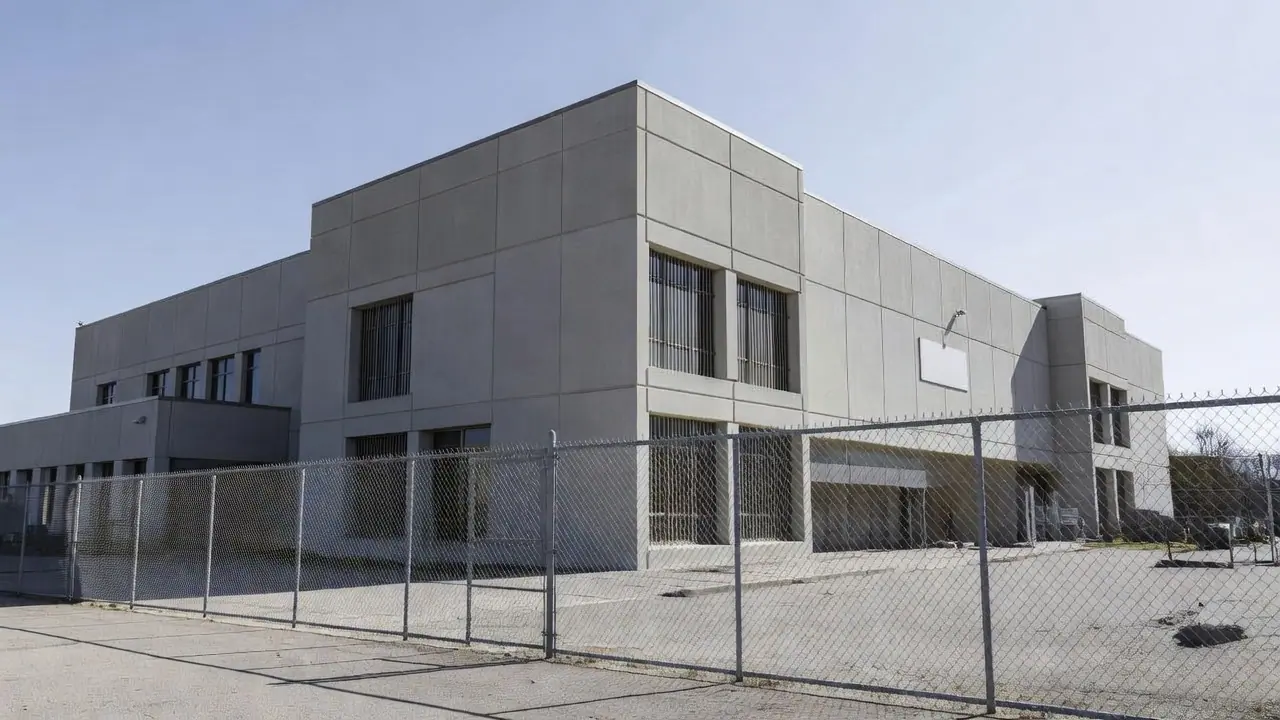
The legal fight follows a high-profile murder case against eight teenage girls. According to the Star, that case brought public attention to the routine strip searching of young people in Ontario detention facilities, including children as young as 12. The Star reports that the Roy McMurtry Youth Centre in Brampton, which is operated by the province, is among the Ontario youth facilities where the practice of routine strip searching has been questioned.
The court filing made on behalf of the young people describes the searches in stark terms. According to the filing, every search required the child to be fully undressed, with every part of their body exposed to adult strangers. The filing gives examples: a 12-year-old girl arriving at a facility for the first time, a 13-year-old boy coming back from a court appearance, and a 17-year-old on his first detention. It says children like these, and many others, were required to remove all their clothing and be closely watched by adults, over and over, as a routine practice.
The two lead plaintiffs are identified in the case only by their initials. According to the Star, both were strip searched at different facilities even though there was no specific suspicion that either was hiding contraband such as drugs or weapons. The allegations in the claim have not been tested in court, and the court has not yet decided whether the case will be certified as a class action.
Key Takeaways
Two young people are seeking to lead a proposed class action against Ontario over strip searches they say they experienced in youth custody
The proposed class could include nearly 33,000 former youth detainees
A certification hearing in Superior Court begins Tuesday to decide whether the case can proceed as a class action
Ontario says in court filings it is not liable for the actions of contracted organizations operating youth detention centres
The Roy McMurtry Youth Centre in Brampton is among the facilities where routine strip searching has been questioned, according to the Toronto Star
The allegations have not been tested in court
UL Lawyers Insight
For Ontario families, this case raises an important question: who answers in court when a public service is delivered by a private or non-profit contractor? Ontario says it is not liable for the contracted organizations running youth detention centres. If the court finds the claim against the province can proceed, it could shape how government liability is argued in other cases involving contracted services.
The certification hearing is not a trial. Under Ontario's Class Proceedings Act, 1992, a judge decides whether the claims share enough common issues to be heard together, and whether a class action is the best way to handle them. Whether the searches were unconstitutional, and whether anyone owes compensation, are separate questions that would be decided later if the case moves forward. You can learn more about how these processes work in our legal resource library.
For former detainees, a certified class action could mean they don't have to bring individual lawsuits on their own. That can make it easier for young people, many of whom may not have the money or support to sue alone, to have their concerns heard.
Action Checklist
What You Should Do
Write down when and where you were held in youth custody
Note the facilities, approximate dates, and any searches you remember. These details may help show whether you fall within the proposed class.
Gather any records you still have
Court papers, release documents, or letters about your time in custody can help a lawyer assess your situation.
Get advice about limitation periodsUrgent
Ontario's two-year deadline, and how it applies to people who were minors, can be complex. Don't assume you have unlimited time.
Watch for official class action noticesUrgent
If the case is certified, a notice will usually explain who is included and set a deadline to opt out if you want to pursue your own claim.
Talk to a lawyer before signing anything or filing separately
Deciding whether to stay in a class action or bring an individual claim can affect your rights. Get advice first.
Follow the outcome of the certification hearing
The court's decision will determine whether the case moves forward as a class action and may clarify who is covered.
Reach out for emotional support if you need it
Revisiting experiences in custody can be hard. Counselling or community support services can help while you consider your legal options.
Your Rights and Options
Section 8 of the Canadian Charter of Rights and Freedoms protects everyone in Canada, including young people, against unreasonable search and seizure. If you or your child were held in an Ontario youth detention facility and were strip searched, you may fall within the group this proposed class action seeks to represent. If the court certifies the case, there will usually be a formal notice process explaining who is included and how to opt out if you prefer to pursue your own claim.
Timing matters. Ontario's Limitations Act, 2002 generally sets a two-year deadline for civil claims, but the clock usually does not run while a person is a minor, and the Class Proceedings Act can pause limitation periods for class members while a class action is underway. These rules are technical and depend on your circumstances, so it is worth speaking with a litigation lawyer about your options before any deadline passes.
Common Questions Answered
How UL Lawyers Can Help
If you spent time in youth custody, or your child did, reading about this case may bring up difficult memories and a lot of questions. You don't have to sort through them alone. At UL Lawyers, we can explain in plain language how class actions work in Ontario, whether you might be part of a proposed class, and what deadlines may apply to you. We can also help you weigh whether staying in a class action or bringing your own claim makes more sense. Reach out for a free, confidential consultation. We'll listen and help you understand your choices.
Wondering whether this case could include you or your child? Our litigation team can walk you through how Ontario class actions work and what deadlines may apply, with no pressure.
Ontario Road Report
One email a week with the road and collision stories we covered in your city and across Ontario.
About this article:
Summary prepared with AI assistance from the linked source's reporting. Edited by UL Lawyers for Ontario context.
Accompanying images are AI-generated illustrations, not photographs of actual events or persons.
Important Legal Disclaimer
This page provides general information about a proposed class action concerning strip searches in Ontario youth detention facilities, based on news reporting. The allegations have not been tested in court, and the court has not decided whether the case will be certified. This page is not legal advice. Class action eligibility, opt-out rights, and limitation periods depend on individual circumstances. If you or your child were held in youth custody in Ontario, please speak with a licensed Ontario lawyer about your specific situation.
Source: TorontoStar
Named in this article? Request content removal