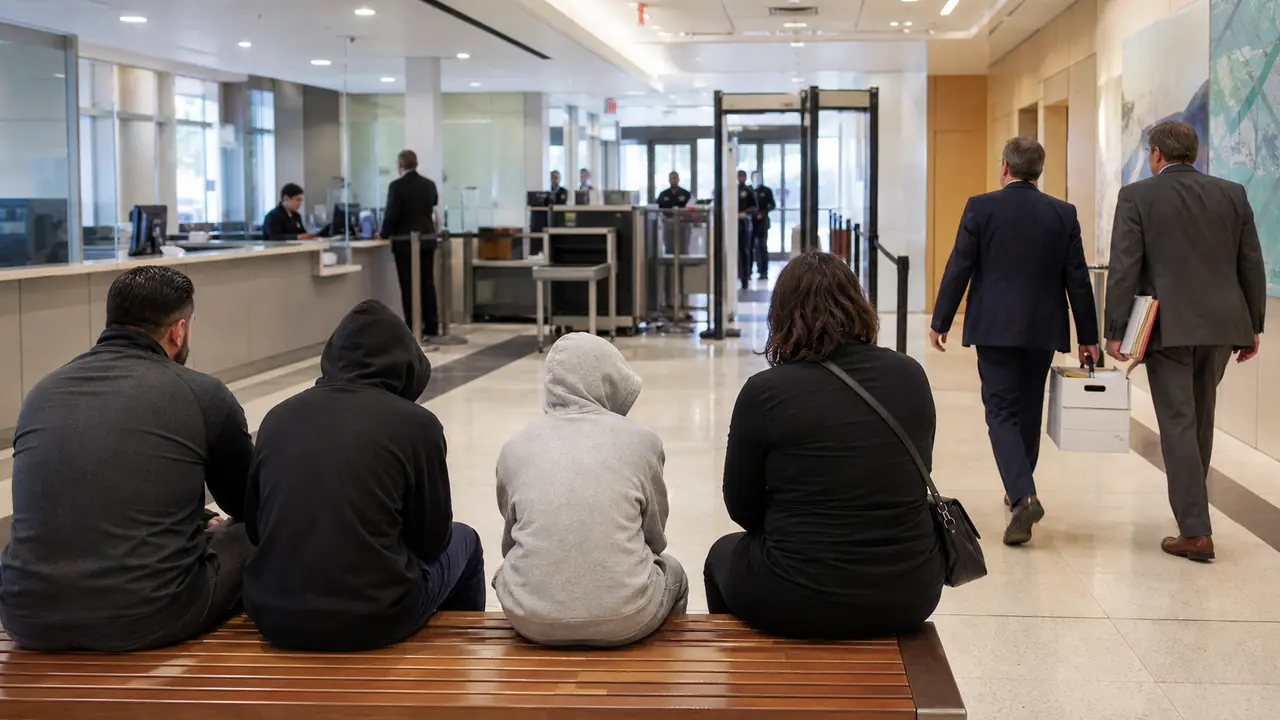

Drone technology in policing raises important questions about privacy and civil rights.
In a notable development in law enforcement, Durham Regional Police successfully arrested two teenagers involved in an armed robbery near Hillcrest Drive and Dean Avenue in Oshawa. The incident occurred on a Wednesday evening around 5:45 p.m., when a victim arranged to purchase a cell phone through an online marketplace. During the meet-up, a second suspect threatened the victim with a knife, demanding their wallet. Both suspects fled the scene before police arrived, but the victim was unharmed.
Utilizing their new Drone as First Responder (DFR) program, police tracked the suspects as they entered a nearby vehicle. The teens, aged 14, attempted to escape on foot after a traffic stop but were apprehended in a residential area. The Oshawa teen faces charges of robbery with a weapon, disguise with intent, possession of stolen property, and unlawful possession of a Schedule I substance. The Pickering teen is charged with robbery, obstructing a peace officer, and possession of stolen property. Both are being held for a bail hearing.
Key Takeaways
Durham Police used drones to track and arrest robbery suspects.
Two teens, aged 14, are charged with serious crimes.
The incident highlights the use of technology in modern policing.
UL Lawyers Insight
This incident underscores the growing role of technology in law enforcement. For Ontario residents, particularly in the Oshawa area, it highlights both the potential and the privacy concerns related to police surveillance capabilities. As drone technology becomes more commonplace, citizens should be aware of their rights regarding surveillance and data collection. The legal charges faced by the teens also serve as a reminder of the serious consequences of criminal activities, especially for minors.
Understanding these implications can help parents and guardians discuss the legal risks and responsibilities with their children. If you face charges related to similar incidents, consulting with litigation lawyers can be crucial in navigating the legal system.
Action Checklist
What You Should Do
Understand your rights under privacy lawsUrgent
Know how surveillance data can be used
Seek legal advice if charged with a crimeUrgent
Professional guidance is crucial for defense
Stay informed about local police practices
Awareness of technology use in law enforcement
Discuss legal responsibilities with minors
Educate on the legal consequences of actions
File a complaint if privacy rights are violatedUrgent
Contact the Information and Privacy Commissioner
Your Rights and Options
In Ontario, individuals have rights concerning police surveillance and the use of technology like drones. The Freedom of Information and Protection of Privacy Act (FIPPA) outlines how public bodies must handle personal information, which includes surveillance data. If you believe your privacy rights have been violated, you can file a complaint with the Information and Privacy Commissioner of Ontario. Additionally, if you or someone you know is facing criminal charges, understanding the charges and the potential consequences is crucial.
Legal representation can provide guidance on defending against accusations and ensuring your rights are protected. Consulting with experienced legal professionals can be an important step in these situations.
Common Questions Answered
How UL Lawyers Can Help
Facing legal charges or concerns about privacy rights can be daunting. At UL Lawyers, we're committed to helping you understand your rights and options. Whether you're dealing with criminal charges or have questions about police surveillance, our team is here to provide clear, empathetic guidance. Contact us for a free consultation to discuss how we can assist with your legal needs.
Are you concerned about privacy rights or facing legal charges? Our team at UL Lawyers is here to help you navigate your legal challenges.
About this article:
Summary prepared with AI assistance from the linked source's reporting. Edited by UL Lawyers for Ontario context.
Accompanying images are AI-generated illustrations, not photographs of actual events or persons.
Important Legal Disclaimer
This page provides a general overview of recent legal developments and does not constitute legal advice. For specific legal inquiries, please consult a qualified attorney.
Source: CityNewsTO
Named in this article? Request content removal