
This case highlights the critical role of independent investigations in maintaining accountability within law enforcement.
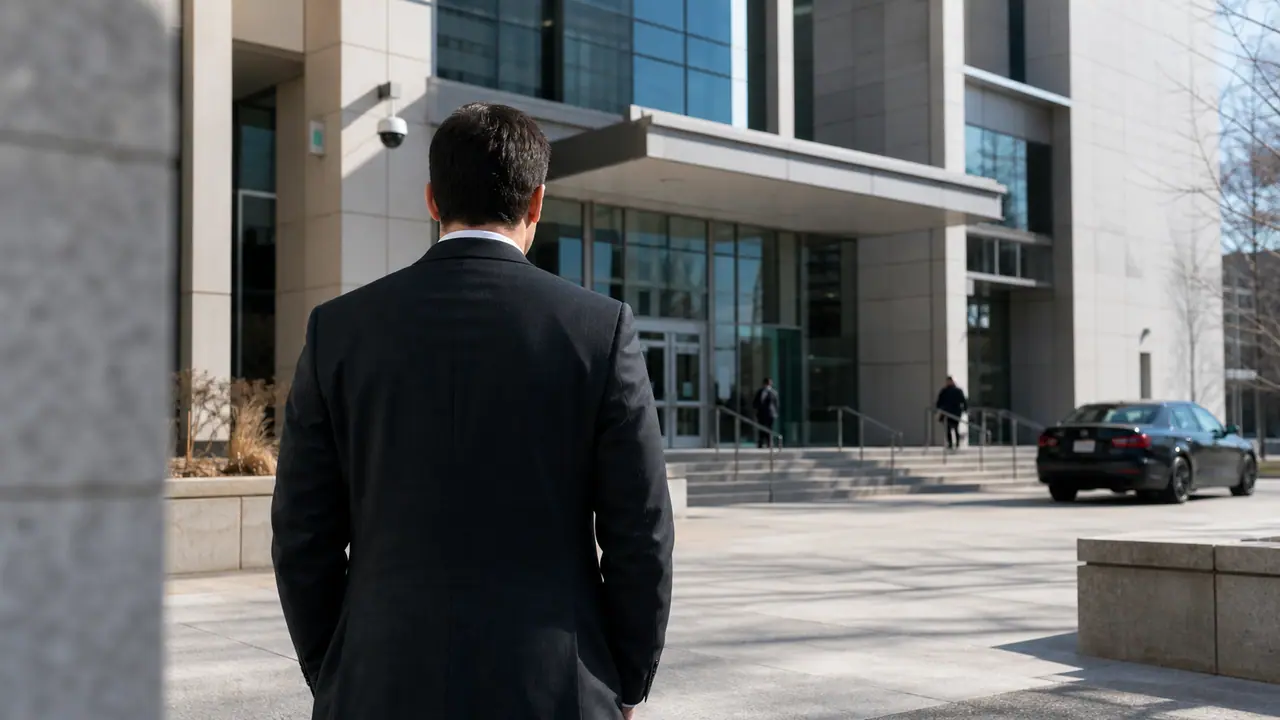
In a notable development at the Superior Court of Justice in Oshawa, located near Bond Street and Mary Street, Durham Regional Police officers have been cleared of any criminal wrongdoing following the arrest of defence lawyer Sudine Riley on January 23, 2026. The incident, which unfolded within the courthouse, drew significant public attention when Riley claimed she was physically assaulted by officers, alleging her head was slammed against a desk, resulting in injuries.
The arrest, under the Trespass to Property Act, prompted Durham police to request an external investigation by York Regional Police (YRP) due to the serious nature of the allegations. After a thorough review, YRP concluded there was insufficient evidence to lay criminal charges against the officers. The case has now been referred to the Law Enforcement Complaints Agency under Ontario’s Community Safety and Policing Act for further review, with assurance from Durham police to fully cooperate with the process.
Key Takeaways
York Police cleared Durham officers in Oshawa arrest case
Incident occurred at Superior Court of Justice, Oshawa
Case referred to the Law Enforcement Complaints Agency
UL Lawyers Insight
For Ontario residents, this incident highlights the complexities involved in allegations of police misconduct and the procedures that follow such claims. While the York Regional Police investigation cleared the officers, the referral to the Law Enforcement Complaints Agency underscores the importance of accountability and transparency in law enforcement. Residents should be aware that these mechanisms exist to ensure a fair review of police actions.
Understanding the legal steps following such incidents can empower individuals to better navigate potential interactions with law enforcement and seek appropriate legal guidance if needed.
Action Checklist
What You Should Do
Document all interactions with law enforcementUrgent
Accurate records are vital for any legal proceedings
File a complaint with the Law Enforcement Complaints Agency
This agency reviews allegations of police misconduct
Consult with a litigation lawyerUrgent
Professional guidance can help you understand and navigate your legal options
Familiarize yourself with the Ontario Human Rights Code
Know your rights regarding treatment by law enforcement
Seek medical attention if injured during police interactionUrgent
Medical reports can support any claims of injury
Your Rights and Options
Residents of Ontario have the right to file complaints about police conduct with the Law Enforcement Complaints Agency, an independent body that reviews such cases to ensure accountability. If you believe your rights have been violated by police actions, you can also seek redress through civil litigation. The Ontario Human Rights Code and the Canadian Charter of Rights and Freedoms provide protections against unlawful detention and excessive force.
It is crucial to document any interactions with law enforcement thoroughly and consult legal professionals to explore your options for recourse.
Common Questions Answered
How UL Lawyers Can Help
If you find yourself involved in a situation similar to the Oshawa courthouse incident, understanding your rights and legal options can be daunting. At UL Lawyers, we are committed to supporting individuals through such challenges by providing clear guidance and dedicated representation. Reach out for a free consultation to discuss your case and learn how we can assist you in protecting your rights and navigating the legal system with confidence.
Facing a legal issue involving police conduct? Contact us for a free consultation to explore your rights and options.
About this article:
Summary prepared with AI assistance from the linked source's reporting. Edited by UL Lawyers for Ontario context.
Accompanying images are AI-generated illustrations, not photographs of actual events or persons.
Important Legal Disclaimer
This article provides general information and does not constitute legal advice. For advice specific to your situation, please consult a lawyer. Legal outcomes can vary based on individual circumstances.
Source: CityNewsTO
Named in this article? Request content removal