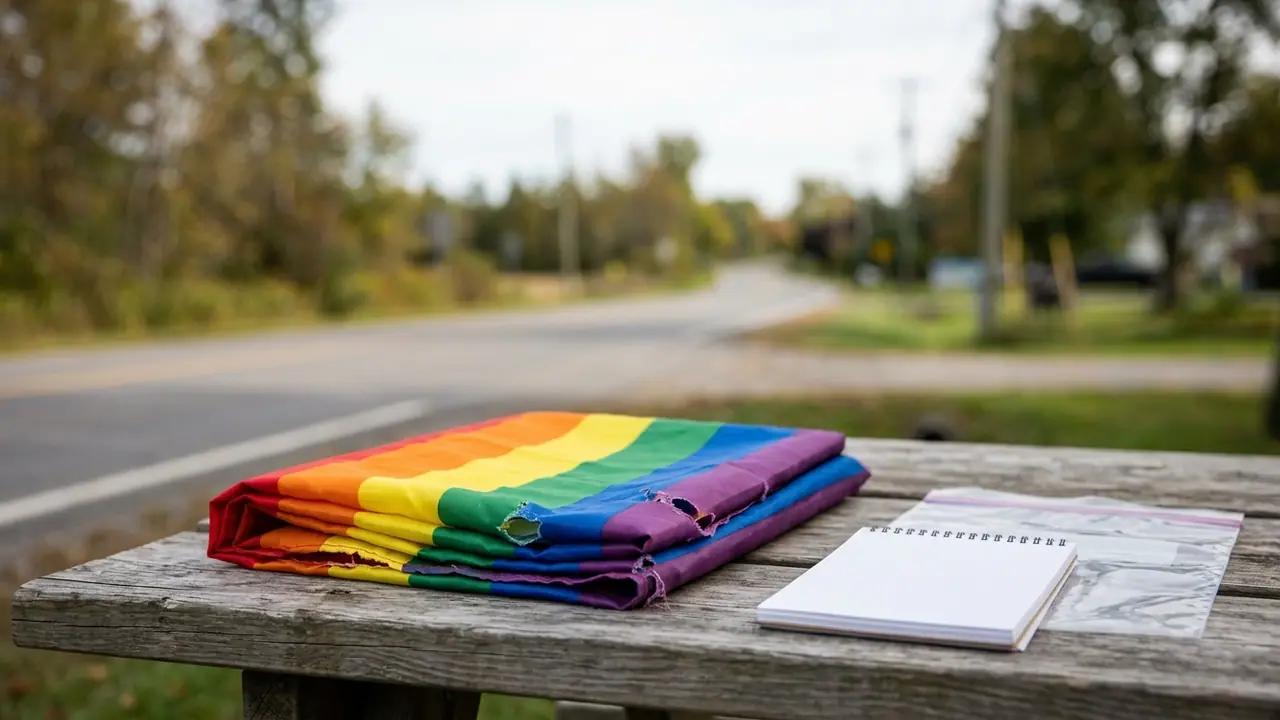

Hate crimes not only harm individuals but also erode the fabric of our communities by instilling fear and division.
In rural west Ottawa, specifically on the 1500 block of Corkery Road, a Pride flag was cut down on the evening of June 7, leading the Ottawa Police Service to launch an investigation into a potential hate crime. This act of vandalism occurred just west of Stittsville and has prompted the Hate and Bias Crime Unit to search for a suspect described as a heavy-set man in his mid-20s to 40s, last seen wearing dark clothing and driving a four-door sedan.
Such incidents are not just isolated acts of vandalism but have broader implications for the safety and inclusion of marginalized groups in Ontario.
Key Takeaways
Pride flag cut down in west Ottawa, prompting hate crime investigation.
Ottawa Police seeking suspect involved in the vandalism.
Incident highlights importance of legal protections for marginalized communities.
UL Lawyers Insight
For residents of Ontario, this incident underscores the importance of understanding legal protections against hate crimes. Hate crimes not only violate individual rights but also threaten community safety and cohesion. Ontario laws, including the Ontario Human Rights Code, protect individuals from discrimination and hate-based actions. It is crucial for Ontarians to be aware of these protections and the legal recourse available in the event of such incidents.
If you witness or experience a hate crime, reporting it to authorities is a critical step. Legal support in such cases can help victims navigate the complexities of the justice system and ensure that their rights are upheld.
Action Checklist
What You Should Do
Report the incident to local police immediatelyUrgent
Ensure it is documented as a potential hate crime
Gather any evidence such as photos or videosUrgent
Visual evidence supports your claim
Collect witness statementsUrgent
Witness accounts can strengthen your case
Consult with a legal professional
Understand your rights and legal options
Stay informed about community resources
Know where to seek support and guidance
Your Rights and Options
In Ontario, residents are protected under the Ontario Human Rights Code from discrimination and hate-motivated incidents. If you are a victim of a hate crime, you have the right to report the incident to the police who may involve specialized units like the Hate and Bias Crime Unit. It is also important to document any evidence of the incident, such as photographs or witness statements, to support your case. For those affected, consulting with legal professionals can provide guidance on pursuing a case and understanding your rights under provincial and federal laws.
If you need assistance, consider reaching out for a free consultation to explore your legal options.
Common Questions Answered
How UL Lawyers Can Help
Dealing with hate crimes can be deeply distressing, but you don't have to face it alone. At UL Lawyers, we understand the impact such incidents can have on your sense of safety and well-being. Our team is committed to providing compassionate and knowledgeable support, helping you understand your rights and pursue justice. Whether you need to report an incident or seek guidance on legal actions, we are here to offer a free consultation and stand by you through the process.
If you're affected by hate crimes, reach out for a free consultation to understand your rights and options.
About this article:
Summary prepared with AI assistance from the linked source's reporting. Edited by UL Lawyers for Ontario context.
Accompanying images are AI-generated illustrations, not photographs of actual events or persons.
Important Legal Disclaimer
This article is for informational purposes only and does not constitute legal advice. For specific legal guidance, consult a qualified legal professional.
Source: Ottawa Citizen
Named in this article? Request content removal