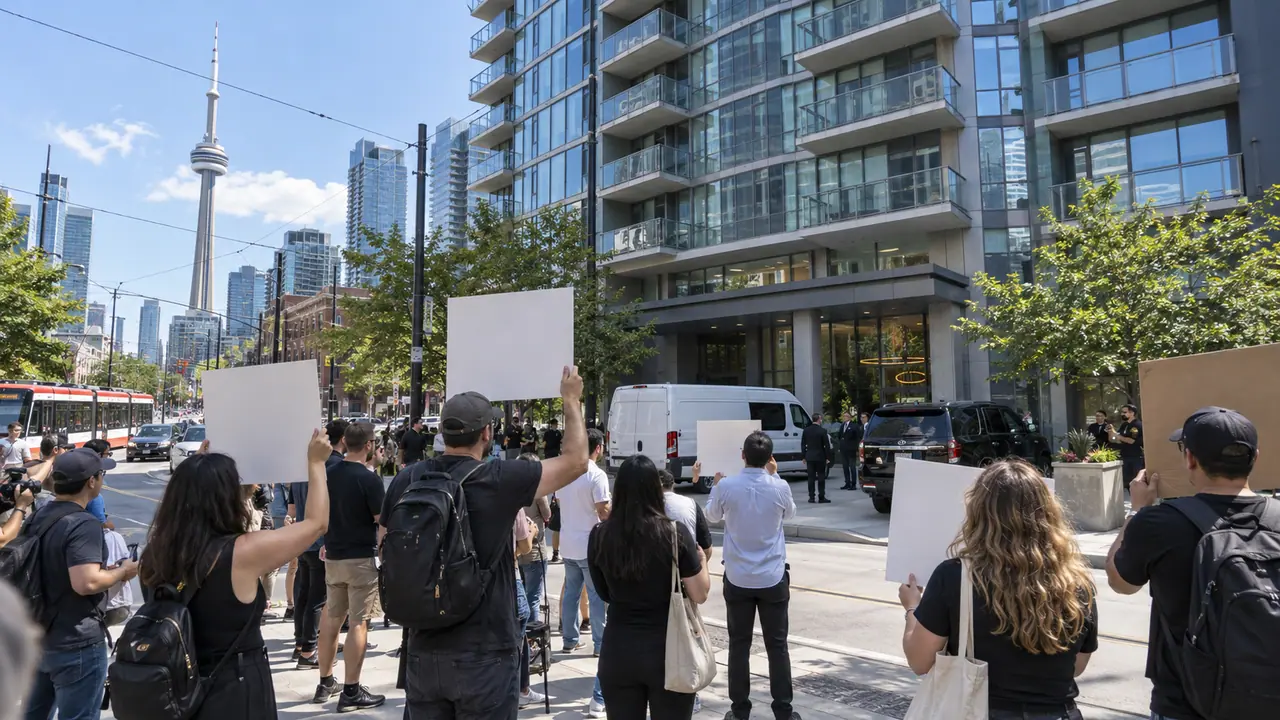

This inquest is a crucial opportunity for transparency and to address systemic issues regarding police interactions with vulnerable individuals in Ontario. While it won't assign blame, its recommendations could be pivotal in shaping future protocols.
More than six years after her tragic death, a coroner's inquest has commenced in Toronto to investigate the circumstances surrounding the passing of Regis Korchinski-Paquet. The 29-year-old woman, of Ukrainian, Black, and Indigenous ancestry, died on May 27, 2020, after falling from a high-rise balcony while Toronto police officers were inside her apartment. Police had responded to calls regarding a family dispute at the residence.
Her death garnered significant public attention, especially as it occurred shortly after the police killing of George Floyd in Minneapolis, sparking widespread protests and intensifying calls to defund the police and re-evaluate how law enforcement interacts with individuals experiencing mental health crises. For Ontario residents, understanding these legal proceedings is important, and our UL Lawyers legal team stays current on developments that affect public rights and safety.
Key Takeaways
Coroner's inquest begins for Regis Korchinski-Paquet's 2020 death.
Inquest to examine circumstances of her fall from a Toronto high-rise balcony during police presence.
Family advocates for binding recommendations from inquests and independent police investigations.
Case highlights issues of police interaction during mental health crises and police accountability.
UL Lawyers Insight
This inquest is a critical step in providing answers to Korchinski-Paquet’s family and addressing broader public concerns about police accountability in Ontario. While the Special Investigations Unit (SIU), Ontario's police watchdog, previously cleared Toronto police of wrongdoing, finding that her death occurred as she attempted to move between balconies, an inquest provides a more public and detailed examination.
It allows for a deeper dive into the events, with 15 witnesses expected to testify over 14 days. For individuals and families in Mississauga, Brampton, Toronto, and across the Greater Toronto Area, this case highlights the ongoing scrutiny of police conduct and the legal avenues available for seeking accountability and preventing similar tragedies. Understanding your rights when interacting with law enforcement, especially during a mental health crisis, is paramount.
If you or a loved one has faced a challenging situation involving police, it's wise to be aware of your options for seeking legal guidance.
Action Checklist
What You Should Do
Understand the purpose and limitations of a coroner's inquest
Know that inquests aim for prevention, not criminal conviction, but can lead to important policy changes.
Stay informed on inquest proceedings and recommendations
Follow news related to this inquest to understand potential impacts on public safety and police accountability in Ontario.
Know your rights when interacting with law enforcement
Be aware of your legal rights during police encounters, especially if you or a loved one is experiencing a mental health crisis.
Document any incidents involving police interactionUrgent
If you or someone you know experiences a concerning interaction with police, document details, witnesses, and seek legal advice promptly.
Support calls for independent oversight of police investigations
Advocate for or engage with organizations pushing for reforms in how police misconduct is investigated in Ontario.
Seek legal advice if you believe your rights were violatedUrgent
If you have been personally affected by police conduct or believe your rights have been violated, consult with a lawyer to explore your options.
Your Rights and Options
While a coroner's inquest does not assign criminal responsibility, its primary purpose is to make recommendations aimed at preventing similar deaths in the future. This process offers a public forum for reviewing evidence and identifying systemic issues, which can influence future policy and legislation affecting how police respond to calls involving individuals in mental health distress across Ontario. Korchinski-Paquet's mother, Claudette Beals, along with advocates, has specifically called for these inquest recommendations to be binding and implemented within a reasonable timeframe, and for a different system to investigate allegations of police wrongdoing, stating she has 'no faith in police investigating police.'
Common Questions Answered
How UL Lawyers Can Help
Navigating complex legal situations, especially those involving public institutions or tragic circumstances, can be overwhelming. Our firm understands the profound impact such events have on individuals and families. We are here to offer empathetic and clear legal guidance, helping you understand your rights and options under Ontario law. If you're seeking answers or believe your rights have been compromised, we can provide the support and representation you need to pursue justice and achieve a fair resolution. Contact us for a free consultation to discuss your unique situation.
If you have questions about your rights or need legal guidance regarding interactions with law enforcement, don't hesitate to reach out for a confidential consultation.
About this article:
Summary prepared with AI assistance from the linked source's reporting. Edited by UL Lawyers for Ontario context.
Accompanying images are AI-generated illustrations, not photographs of actual events or persons.
Important Legal Disclaimer
The information provided on this page regarding the Regis Korchinski-Paquet inquest is for general informational purposes only and does not constitute legal advice. While we aim to keep our content accurate and current, legal developments can change rapidly. This content should not be relied upon as a substitute for professional legal advice tailored to your specific situation. If you have concerns about police interactions, your rights, or require legal assistance, please consult with a qualified Ontario lawyer.
Source: CityNewsTO
Named in this article? Request content removal