
A criminal sentence holds an offender accountable to society, but it does not compensate the person who was harmed. In Ontario, survivors of sexual abuse have the right to bring a civil claim, and there is no deadline to do so.
A Sarnia-area man was sentenced on Friday, November 27, 2026, to four years and 11 months in prison in a case involving underage sex crimes. Superior Court Justice Russell Raikes then deducted a little more than eight months for time the man had already spent in pre-sentence custody. The 28-year-old, from Aamjiwnaang First Nation near Sarnia, was convicted last year in a separate manslaughter case.
In January 2025, the man pleaded guilty to manslaughter in the death of his cousin, a 26-year-old father of three from Aamjiwnaang. According to the report, his cousin died on September 4, 2022, about a week after he was injured in an alcohol-fuelled fist fight during a backyard bonfire at a home on Maness Court. After receiving credit for about 19 months spent in custody before his plea, the man was sentenced in February 2025 to two years of house arrest followed by three years of probation.
However, he was never released from jail to begin his house arrest. He still faced outstanding charges from a separate sexual-assault investigation and was denied bail. In early 2024, while he was out on bail and the manslaughter case was still before the courts, Sarnia police announced the new charges. According to police at the time, they included sexual assault, sexual interference, invitation to sexual touching, making child pornography, possessing child pornography, and two counts of breaching bail.
Court documents allege the man filmed himself having sex with a girl who was younger than 16. Her identity is protected by a publication ban. Following a trial earlier in 2026, he was found guilty of sexual assault, sexual interference, invitation to sexual touching, and two counts of breaching bail. The report does not say how the two child pornography charges were resolved.
At a sentencing hearing in September, assistant Crown attorney Sarah Carmody asked the court to impose a prison term of between five and a half and six and a half years. Defence lawyer Ken Marley proposed two years in a provincial jail, combined with a drug and alcohol rehabilitation program. Justice Raikes delivered his decision on Friday, settling on a sentence of four years and 11 months before the credit for time already served.
Cases like this raise real questions for Ontario families about how sentences are calculated, why bail can be denied, and what rights survivors and their loved ones have. Our UL Lawyers legal team follows developments like these to help people across Mississauga, Brampton, Toronto and the GTA understand how the justice system works.
Key Takeaways
A 28-year-old Sarnia-area man was sentenced on November 27, 2026, to four years and 11 months in prison, minus a little more than eight months for pre-sentence custody
Following a trial earlier in 2026, he was found guilty of sexual assault, sexual interference, invitation to sexual touching, and two counts of breaching bail
Court documents allege he filmed himself having sex with a girl younger than 16, whose identity is protected by a publication ban
The Crown sought 5.5 to 6.5 years, while the defence proposed two years in provincial jail with a drug and alcohol rehabilitation program
He was separately sentenced in February 2025 to house arrest for manslaughter but was never released because he faced outstanding charges and was denied bail
UL Lawyers Insight
This decision shows how Ontario judges weigh competing positions at sentencing. Here, the Crown and defence were roughly three to four years apart, and the judge chose a sentence between the two. It also shows how credit for pre-sentence custody works: time spent in jail before sentencing is deducted from the final term. The case also shows that people who are already serving or awaiting a sentence can be held in custody if they face new charges and are denied bail.
For survivors and their families, it is important to know that the criminal case is only one part of the picture. A criminal sentence punishes the offender, but it does not directly compensate the person harmed. Survivors of sexual abuse in Ontario may have separate civil claims for damages, which are decided on a lower standard of proof than criminal cases. Our legal resource library offers plain-language guides on how civil claims work, and experienced civil litigation lawyers can explain whether a lawsuit may be an option.
Action Checklist
What You Should Do
Contact your local Victim Services or Victim/Witness Assistance ProgramUrgent
These programs can explain the court process, share case updates and connect you with support
Report concerns about a child's safety to police or a children's aid societyUrgent
Ontario's Child, Youth and Family Services Act requires anyone with reasonable grounds to suspect a child needs protection to report it
Respect any publication ban, including on social mediaUrgent
Sharing information that could identify a protected complainant can lead to criminal charges
Ask the Crown's office about preparing a victim impact statement
The Canadian Victims Bill of Rights gives victims the right to tell the court how the offence affected them
Keep records of counselling, medical and other related expenses
Documentation supports applications for victim financial assistance and any future civil claim
Apply for short-term help through the Victim Quick Response Program+ if eligible
This Ontario program can help cover certain immediate costs such as counselling
Speak with a lawyer about civil claim options
There is no limitation period for sexual assault claims in Ontario, so you can seek advice when you are ready
Your Rights and Options
If you or your child has experienced sexual abuse, the Canadian Victims Bill of Rights gives you the right to information about the case, the right to protection, and the right to present a victim impact statement at sentencing. Under the Criminal Code, courts can also order publication bans to protect the identity of young complainants, as happened in this Sarnia case.
You also have civil rights that are separate from any criminal case. Under Ontario's Limitations Act, 2002 (section 16), there is no limitation period for civil claims based on sexual assault. This means survivors can come forward when they are ready, even years later. If you are unsure what options are available to you or your family, you can request a confidential consultation to talk them through.
Common Questions Answered
How UL Lawyers Can Help
Reading about a case like this can bring up difficult feelings, especially if you or someone you love has been harmed. You do not have to work through the legal system alone. At UL Lawyers, we take the time to listen, explain your options in plain language, and help you understand how a civil claim might fit alongside any criminal process. We treat every conversation with care and confidentiality, and we move at a pace that feels right for you. If you have questions about your rights, we invite you to reach out for a free, no-pressure consultation with our team.
If this story has raised questions about your rights or your family's options after abuse, we're here to listen. Reach out for a free, confidential conversation with our team.
Ontario Road Report
One email a week with the road and collision stories we covered in your city and across Ontario.
About this article:
Summary prepared with AI assistance from the linked source's reporting. Edited by UL Lawyers for Ontario context.
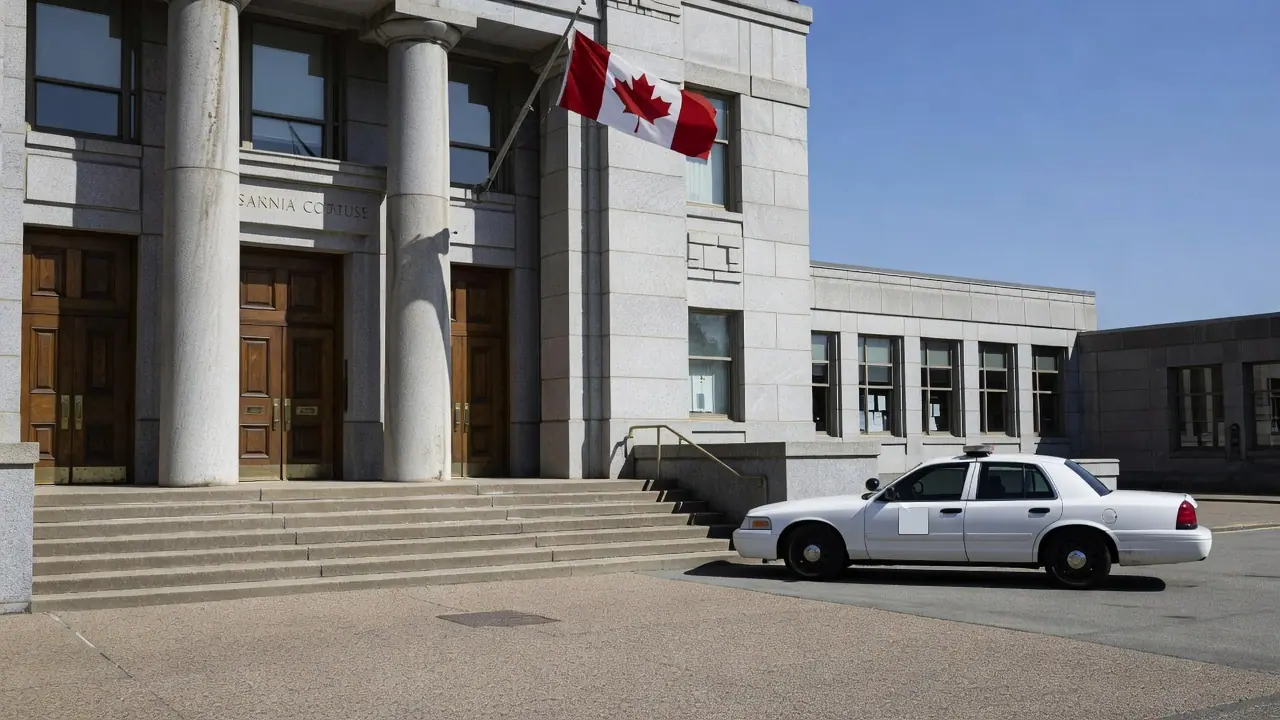
Accompanying images are AI-generated illustrations, not photographs of actual events or persons.
Important Legal Disclaimer
This page provides general information about a criminal sentencing decision reported in the news and about the rights of survivors and families in Ontario. It is not legal advice and does not create a lawyer-client relationship. UL Lawyers does not provide criminal defence services. Laws and support programs can change, and every situation is different, so please speak with a qualified lawyer about your specific circumstances before taking action.
Source: TheTorontoSun
Named in this article? Request content removal