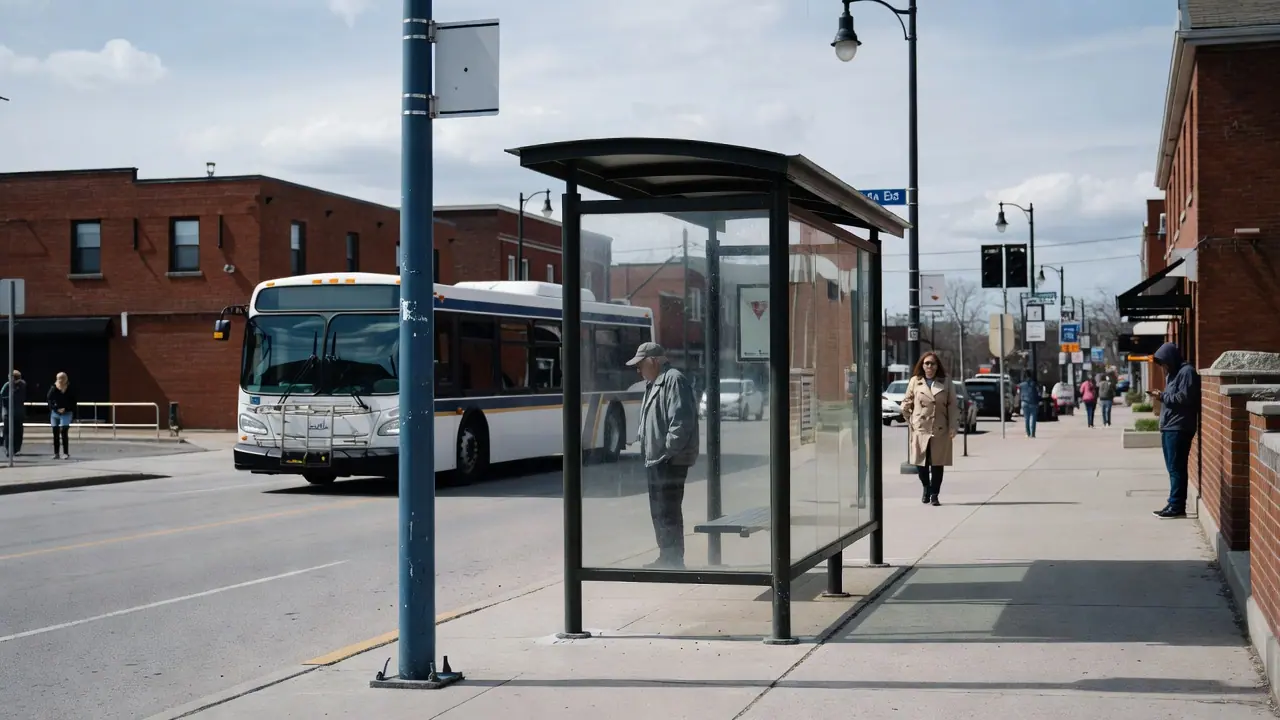

When violence happens in a public space like a transit vehicle, the criminal prosecution and the rights of a victim's family run on separate tracks, with different rules and deadlines. Families should know that support programs and civil options exist, and that getting advice early helps them make informed decisions without interfering with a police investigation.
A man has died after a stabbing on board a TTC bus in Scarborough on Thursday night. A 40-year-old Toronto man is now facing a charge of second-degree murder. According to Toronto police, the accused turned himself in to officers on Friday, the day after the attack. The allegations have not been tested in court. Anyone charged with a crime in Canada is presumed innocent unless and until a court decides otherwise.
Police say officers were first called at about 10:04 p.m. Thursday to the area of Eglinton Avenue East and Falmouth Avenue, near Danforth Avenue in Scarborough, after reports of a stabbing. Officers learned that a man had been stabbed while on the bus. The suspect had left the scene on foot.
The victim, a 34-year-old man from Toronto, was taken to hospital, where he was later pronounced dead. Police have since identified him. No other injuries were reported. Police say it is not yet clear what led to the violence.
Before the arrest, police had said the 40-year-old man was wanted for second-degree murder. He was charged after he turned himself in on Friday. The criminal case will now go through the courts. There, the Crown must establish any charge beyond a reasonable doubt before a person can be found criminally liable.
TTC CEO Mandeep Lali issued a statement on Friday saying he was shocked by the incident. He said his thoughts were with the victim's family and loved ones. He also said the bus operator is receiving the TTC's full support. Lali added that the safety of customers and employees is the transit agency's top priority. He said the TTC is cooperating fully with the police investigation, including by providing statements and video.
The deadly incident has renewed concerns about public safety in Toronto. Beyond the criminal case, it raises practical questions for grieving families, transit riders and transit workers about the legal rights and support available to them. Our UL Lawyers legal team explains these in plain language below.
Key Takeaways
A 34-year-old Toronto man died after being stabbed on a TTC bus near Eglinton Avenue East and Falmouth Avenue, close to Danforth Avenue in Scarborough, around 10:04 p.m. Thursday.
A 40-year-old Toronto man turned himself in to police on Friday and is charged with second-degree murder. The allegations have not been tested in court.
Police say it is not yet clear what prompted the violence. No other injuries were reported.
TTC CEO Mandeep Lali says the TTC is supporting the bus operator and cooperating fully with police, including by providing statements and video.
Families affected by violent crime in Ontario may have access to victim support programs, and they may also have civil options that are separate from the criminal case.
UL Lawyers Insight
When someone dies because of violence, two separate legal tracks can exist. The criminal case is brought by the Crown on behalf of the public. Its purpose is to decide whether the accused is criminally liable, and it does not pay the victim's family. A family's own civil rights are a separate matter with their own rules. In Ontario, the Family Law Act allows certain family members to claim damages when a loved one dies because of another person's wrongful act. Speaking with experienced civil litigation lawyers can help a family understand whether any claim may be available. A lawyer can also explain how a civil claim would fit around an ongoing criminal prosecution.
There are also immediate supports. Ontario's Victim Quick Response Program+ (VQRP+), which is delivered through local victim services agencies, can help eligible victims and families with short-term needs. These may include funeral costs and counselling. Transit workers who experience violent or traumatic events on the job also have protections under Ontario workplace safety laws. For more plain-language guides, our legal resource library is a helpful starting point.
Action Checklist
What You Should Do
Contact Victim Services Toronto for supportUrgent
They can connect families and witnesses with counselling and practical help right away
Ask whether you qualify for VQRP+ assistanceUrgent
This Ontario program may cover short-term needs such as funeral costs and counselling for eligible families
Share any information you have with Toronto PoliceUrgent
If you witnessed the incident or have relevant video, contact police instead of posting it online
Keep records of all expenses and lost income
Funeral bills, counselling costs and lost financial support may be relevant to a future Family Law Act claim
Note the two-year limitation period
Civil claims in Ontario generally must be started within two years under the Limitations Act, 2002, even while a criminal case continues
Transit workers: report the incident and ask about WSIBUrgent
Report workplace incidents promptly, and ask about WSIB coverage if you are experiencing traumatic mental stress
Avoid speculating publicly about the case
The criminal matter is before the courts, and public comments can complicate legal proceedings
Get legal advice before signing documents
A lawyer can review any releases or insurance paperwork so you do not give up rights by accident
Your Rights and Options
If you have lost a loved one to violence, the criminal case does not decide your family's own rights. Under section 61 of Ontario's Family Law Act, a spouse, child, parent, grandparent or sibling may be able to claim for losses such as funeral expenses, lost financial support, and loss of care, guidance and companionship. Under the Limitations Act, 2002, these claims are generally subject to a two-year limitation period. Families should not assume they must wait for the criminal trial to end before getting advice.
If you witnessed the incident, you can share information with Toronto Police. If you are a transit worker, you can report the incident to your employer and ask about WSIB coverage for traumatic mental stress. Victim Services Toronto can connect families with VQRP+ supports. To understand your options, you can request a free consultation with our team.
Common Questions Answered
How UL Lawyers Can Help
Losing someone suddenly, or witnessing violence on your commute or at work, is overwhelming. It is normal to feel unsure about what comes next. You do not have to work through the legal side alone. At UL Lawyers, we listen first. Then we explain your options in plain language, whether that means understanding a family's civil rights, finding victim support programs, or protecting a worker's benefits after a traumatic event at work. We handle the paperwork and deadlines so you can focus on your family and your health. If you have questions, we offer a free, no-pressure consultation to talk through your situation.
If your family has been affected by a violent incident, or you are a transit worker coping with something you saw on the job, we are here to answer your questions. Reach out for a free, confidential consultation to learn about your options.
Ontario Road Report
One email a week with the road and collision stories we covered in your city and across Ontario.
About this article:
Summary prepared with AI assistance from the linked source's reporting. Edited by UL Lawyers for Ontario context.
Accompanying images are AI-generated illustrations, not photographs of actual events or persons.
Important Legal Disclaimer
This page provides general information about a criminal case that is still before the courts and about the rights of crime victims' families and transit workers in Ontario. It is not legal advice. The charge described has not been tested in court, and the accused is presumed innocent. Every situation is different, so please speak with a lawyer about your specific circumstances before taking action.
Source: CityNewsTO
Named in this article? Request content removal