
When police use force in Ontario, there are two separate paths to accountability: a criminal process where anyone charged is presumed innocent until a court decides otherwise, and a civil process where people who are hurt can seek compensation. Knowing the deadlines on the civil side is just as important as following the criminal case.
A Halton Regional Police officer is facing four criminal charges after a 23-year-old man was shot during a traffic stop in Burlington earlier this year. Ontario's Special Investigations Unit (SIU), the civilian agency that looks into certain serious incidents involving police, announced the charges in a news release on Thursday, November 19, 2026.
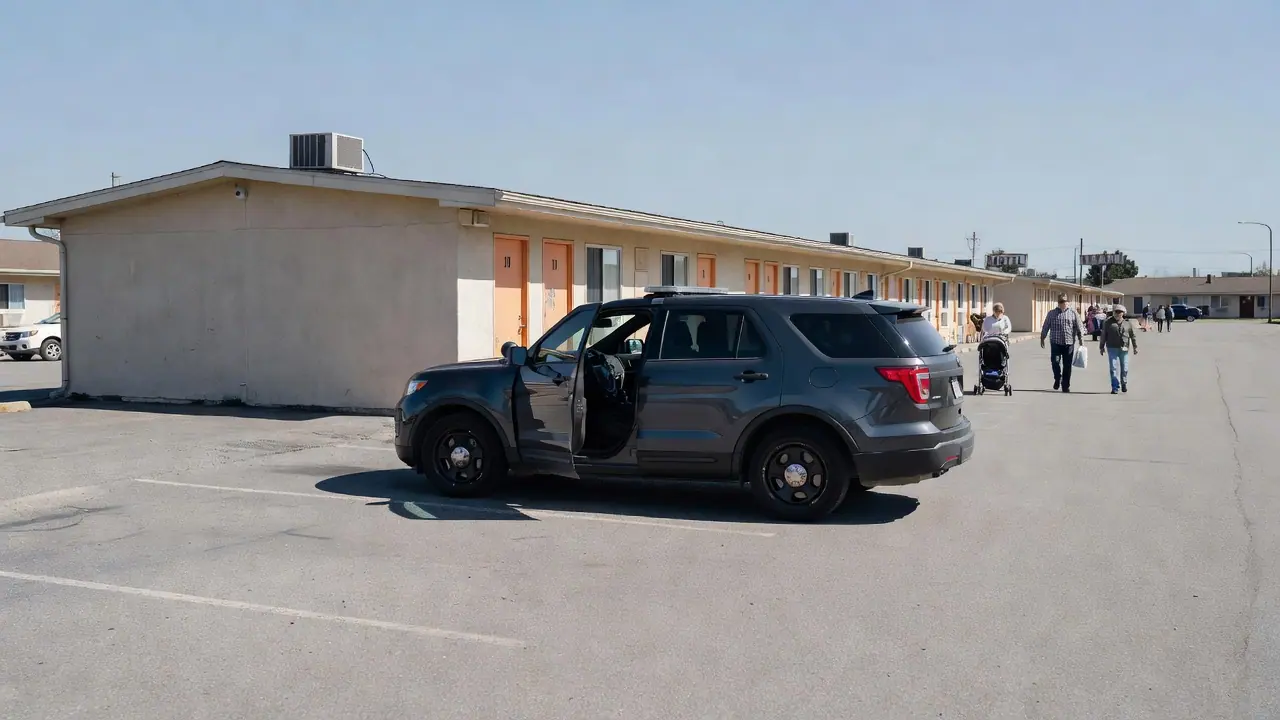
According to the SIU, officers were in the parking lot of the Crestwood Motel, located at 527 Plains Road East in Burlington, at about 12:30 a.m. on March 8, 2026, to carry out a traffic stop. The SIU says the driver attempted to flee in an SUV, and an officer shot at the vehicle. The 23-year-old man was struck multiple times and was taken to hospital for treatment. A woman who was sitting in the passenger seat was not injured, the SIU said at the time.
In its release, the SIU said its Director, Joseph Martino, had reasonable grounds to believe the officer allegedly carried out criminal offences in relation to the shooting. Following the investigation, the officer, a constable with the Halton Regional Police Service, has been charged with four offences: aggravated assault, assault with a weapon, discharge firearm into a place, and reckless discharge of a firearm. The constable is scheduled to appear in court on December 10.
It is important to be clear about where this case stands. These are criminal charges, and the allegations have not been tested in court. Under Canadian law, every person charged with an offence, including a police officer, is presumed innocent unless and until a court decides otherwise. The court process that begins in December is where the evidence will be examined.
Cases like this one draw attention to how police use of force is reviewed in Ontario. The SIU operates independently of police services and investigates incidents such as police shootings. Its director decides whether the evidence meets the threshold for criminal charges. That system exists so the public can have confidence that police conduct is reviewed by an independent body rather than by police themselves.
For residents of Burlington, Halton Region and the wider Greater Toronto Area, the story is also a reminder that a routine encounter like a traffic stop can quickly become a serious legal matter for everyone involved. Staying informed about legal developments affecting Ontario residents can help you understand how these processes work and what rights may apply if you or someone you love is ever caught up in a similar situation.
Key Takeaways
The SIU has charged a Halton Regional Police constable with aggravated assault, assault with a weapon, discharge firearm into a place, and reckless discharge of a firearm.
According to the SIU, the shooting happened around 12:30 a.m. on March 8, 2026, during a traffic stop in the Crestwood Motel parking lot at 527 Plains Road East in Burlington.
The SIU says a 23-year-old man was struck multiple times and taken to hospital, while a woman in the passenger seat was not injured.
The allegations have not been tested in court, and the officer is presumed innocent; the first court date is December 10.
Criminal charges and civil claims for compensation are separate processes in Ontario, each with its own rules and deadlines.
UL Lawyers Insight
For Ontario residents, this case shows that a police shooting can lead to two separate legal tracks. The first is the criminal case, which is now before the courts and focuses on whether the charges against the officer are made out under the Criminal Code. The second is the civil side, where a person who is hurt during a police encounter may be able to bring a civil claim for compensation. These tracks are independent: a civil claim uses a lower standard of proof, the balance of probabilities, and does not depend on how a criminal case ends.
In Ontario, civil claims involving police often name both the individual officer and the police service board. These cases can be complex, involving questions about the use of force, police policies and the injuries suffered, which is why working with experienced civil litigation lawyers can make a real difference.
This also matters for anyone who has been a passenger in a vehicle or a witness during a police incident. Anyone who was injured should know that strict limitation periods apply to bringing a claim, and those deadlines keep running while a criminal case moves through the courts.
Action Checklist
What You Should Do
Get medical attention and keep all treatment recordsUrgent
Hospital and doctor records document your injuries and are key evidence in any future claim.
Write down everything you remember about the incidentUrgent
Note the date, time, exact location, officer names or badge numbers, and the sequence of events while your memory is fresh.
Preserve photos, video and dashcam footageUrgent
Save any phone video, dashcam recordings or photos of injuries and vehicle damage before they are lost or overwritten.
Collect contact information for any witnessesUrgent
Passengers, bystanders or nearby businesses may have seen what happened or have security footage.
Track the two-year limitation periodUrgent
Under the Limitations Act, 2002, most civil claims must be started within two years, even if a criminal case is still ongoing.
Consider a complaint to the Law Enforcement Complaints Agency
This is a separate process for reviewing officer conduct and does not replace a civil claim.
Avoid posting about the incident on social media
Public posts can be used in legal proceedings and may affect a future claim.
Speak with a lawyer before giving detailed statements to insurers or other parties
A lawyer can help protect your interests and explain how criminal and civil processes interact.
Your Rights and Options
If you are hurt during a police encounter in Ontario, you generally have the right to seek compensation through the civil courts, separate from any SIU investigation or criminal prosecution. Under Ontario's Limitations Act, 2002, most civil claims must be started within two years of the day the claim is discovered. Criminal cases, like the one heading to court on December 10, can take a long time to resolve, so waiting for one to finish before acting could put a civil claim at risk. You can also file a complaint about police conduct with the Law Enforcement Complaints Agency under the Community Safety and Policing Act, 2019.
At the same time, anyone charged with an offence, including a police officer, has the right to be presumed innocent under section 11(d) of the Canadian Charter of Rights and Freedoms. If you have questions about your own options after a police incident, you can request a free consultation to talk them through.
Common Questions Answered
How UL Lawyers Can Help
If you or someone close to you has been hurt during an encounter with police, it is natural to feel shaken, confused and unsure who to trust. You may be dealing with injuries, medical appointments and questions about what happens next. At UL Lawyers, we take the time to listen to your story, explain your options in plain language and help you understand the deadlines that apply. We can help gather records, assess a possible civil claim and guide you through each step at a pace that works for you. Reach out for a free, no-pressure consultation whenever you are ready.
Hurt during a police encounter and not sure where you stand? Our team can walk you through your options and the deadlines that apply, at no cost to talk.
Ontario Road Report
One email a week with the road and collision stories we covered in your city and across Ontario.
About this article:
Summary prepared with AI assistance from the linked source's reporting. Edited by UL Lawyers for Ontario context.
Accompanying images are AI-generated illustrations, not photographs of actual events or persons.
Important Legal Disclaimer
This page provides general information about criminal charges laid by Ontario's Special Investigations Unit following a police shooting in Burlington, based on publicly reported details. The allegations have not been tested in court, and the officer is presumed innocent. This page is not legal advice, and civil claims and police complaints depend on individual facts and strict deadlines. If you have been affected by a police encounter, please consult a lawyer about your specific situation.
Source: CityNewsTO
Named in this article? Request content removal