
This decision underscores the ongoing debate between provincial authority and municipal autonomy in urban planning.
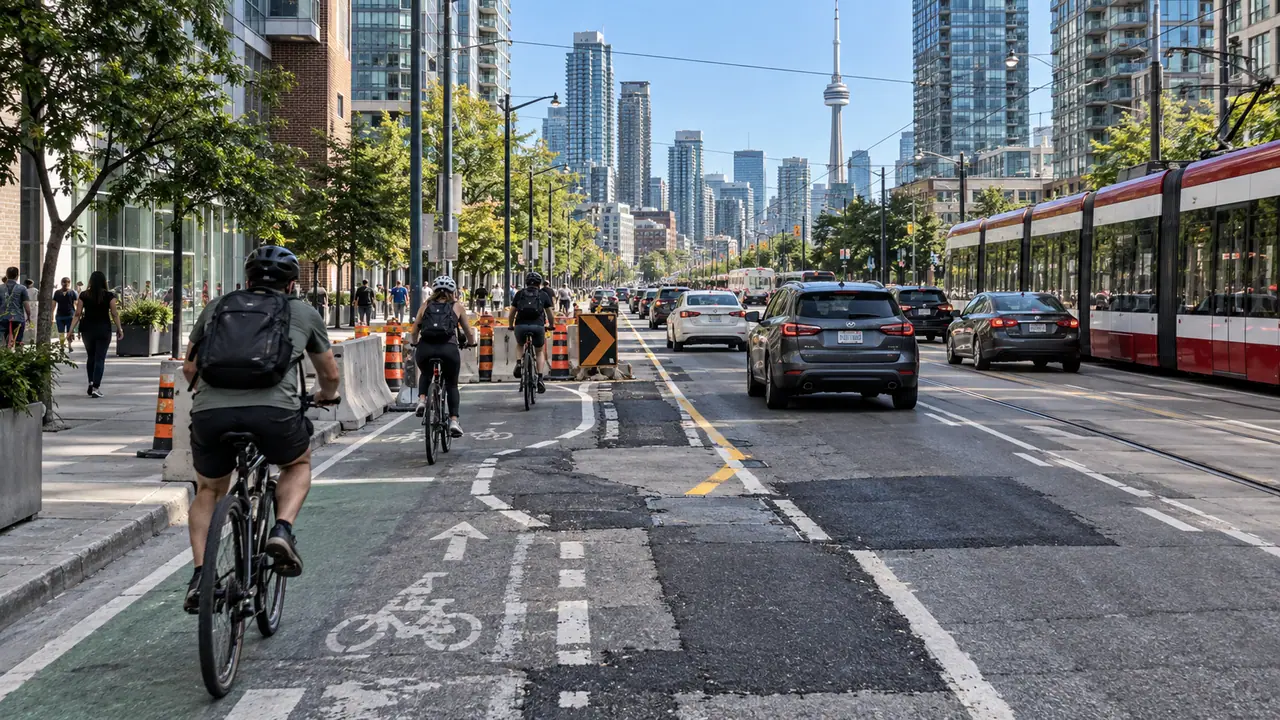
On September 12, 2026, cycling advocates took to the streets of Toronto to protest Premier Doug Ford's initiative to remove nearly 20 kilometres of protected bike lanes on Bloor Street, Yonge Street, and University Avenue. The controversial plan, initially blocked by a lower court for posing an unconstitutional risk to cyclist safety, was recently upheld by the Ontario Court of Appeal. Despite the ruling, many cyclists and safety advocates continue to express concerns, arguing that the removal compromises safety and urban mobility.
Toronto Mayor Olivia Chow has opposed the provincial decision, advocating for the preservation of these lanes crucial for safe cycling and pedestrian traffic.
Key Takeaways
Ontario Court of Appeal allows removal of 20 km of bike lanes
Cyclists and safety advocates rally in opposition
Impacts urban cycling and pedestrian safety in Toronto
UL Lawyers Insight
For residents in Toronto and the Greater Toronto Area, the removal of key bike lanes could significantly alter daily commutes and impact safety for cyclists and pedestrians alike. This decision highlights tensions between provincial mandates and municipal autonomy over urban planning. It raises questions about how transportation infrastructure decisions should balance vehicle traffic with sustainable and safe alternatives like cycling.
Understanding these dynamics is crucial for those who rely on cycling as a primary mode of transportation. For more insights on how legal developments can impact your rights, our legal team can provide guidance.
Action Checklist
What You Should Do
Participate in public consultations
Engage with local representatives to voice your concerns about infrastructure changes.
Stay informed about municipal plans
Keep up-to-date with the latest developments affecting your community.
Understand your rights under the Municipal Act
Know your role in local governance and how you can influence decisions.
Consult legal professionals for guidance
Seek advice if you need help navigating municipal policies or expressing your rights.
Your Rights and Options
Ontario residents, especially those in urban centres such as Toronto, have the right to participate in public consultations about municipal infrastructure projects. This includes voicing concerns about developments that could affect public safety and mobility. The Municipal Act, 2001, governs the powers of municipalities in Ontario, emphasizing the importance of local input in decision-making processes. If you are affected by these changes, understanding your role and rights in these discussions is vital.
For those seeking to engage with municipal policy or require legal advice, consulting with experienced legal professionals can help you navigate these complex issues.
Common Questions Answered
How UL Lawyers Can Help
We understand that changes to urban infrastructure can be challenging, especially when they impact your daily routine. At UL Lawyers, we strive to keep residents informed about legal developments that affect their rights and communities. If you have concerns about how these changes might impact you or require guidance on participating in municipal matters, our team is here to help. Reach out for a free consultation to discuss your situation and explore your legal options.
Concerned about urban infrastructure changes? Our legal team can help you understand your rights and options.
About this article:
Summary prepared with AI assistance from the linked source's reporting. Edited by UL Lawyers for Ontario context.
Accompanying images are AI-generated illustrations, not photographs of actual events or persons.
Important Legal Disclaimer
This summary is for informational purposes only and does not constitute legal advice. Please consult a legal professional for specific guidance related to your situation.
Source: CityNewsTO
Named in this article? Request content removal