
Hate-motivated crimes not only harm individuals but also threaten community cohesion and safety.
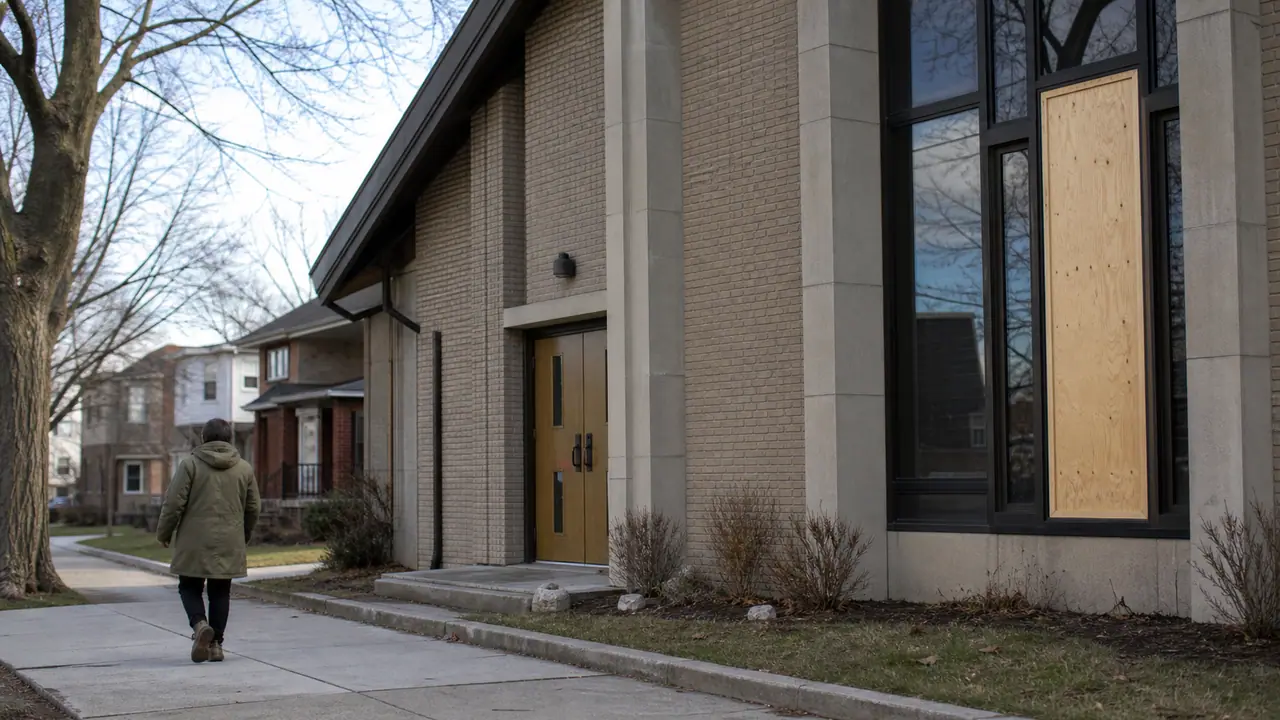
In East York, Toronto, a 56-year-old man named Khaliq Hussain Anwar has been charged with three counts of mischief relating to religious property following a series of violent attacks on a local church. The incidents unfolded over a week at a church located near Cosburn Avenue and Pape Avenue. Toronto police first responded on July 24 when a rock was thrown through the church window. A similar act occurred a week later, prompting further investigation.
On August 1, police witnessed Anwar committing the same offense, leading to his arrest. Authorities suspect these actions were hate-motivated, which could influence sentencing severity if Anwar is convicted. Incidents like these highlight the importance of addressing hate crimes and protecting community spaces. UL Lawyers Legal Team
Key Takeaways
Khaliq Hussain Anwar charged with mischief related to religious property.
Incidents occurred in East York, near Cosburn Avenue and Pape Avenue.
Hate motivation in crimes can lead to more severe penalties.
UL Lawyers Insight
For residents of Ontario, this case underscores the importance of understanding your rights when facing potential hate crimes. Hate-motivated acts not only threaten individual safety but also the sense of security within communities. If you or your community are targeted, it's crucial to report incidents to the authorities promptly. The legal system treats hate as an aggravating factor, potentially leading to harsher penalties for offenders.
Understanding the legal framework around hate crimes can empower communities to stand up against prejudice and violence. For more on protecting your rights, consider consulting with legal professionals.
Action Checklist
What You Should Do
Report any hate-motivated incidents to the authorities immediatelyUrgent
Prompt reporting can lead to quicker investigations and increased safety.
Document all details of the incidentUrgent
Accurate records can support law enforcement and legal proceedings.
Consult with a legal professionalUrgent
Understanding your rights and options is crucial when dealing with hate crimes.
Engage with community support networks
Building solidarity can help strengthen community response to hate crimes.
Stay informed about legal rights under the Ontario Human Rights Code
Awareness of your rights can empower you to take action against discrimination.
Your Rights and Options
Ontario residents have the right to safety and protection from hate-motivated crimes. The Criminal Code of Canada includes provisions for harsher penalties if a crime is proven to be motivated by bias, prejudice, or hate. If you experience or witness such acts, it is important to report them to local law enforcement and seek legal advice to understand the implications and available remedies. The Ontario Human Rights Code also protects individuals from discrimination, ensuring that everyone can live free from harassment and violence.
If you're facing a situation involving hate crimes, consulting with a legal expert can help you navigate the complexities and assert your rights.
Common Questions Answered
How UL Lawyers Can Help
Dealing with hate-motivated crimes can be distressing, both for the victims and the community. At UL Lawyers, we understand the emotional and legal challenges involved in such cases. Our team is dedicated to providing empathetic and informed legal support, helping you understand your rights and the options available to protect yourself and your community. Reach out for a free consultation, and let us assist you in standing against prejudice and ensuring justice is served.
Faced with a hate crime or looking to protect your community? Our team is here to help you understand your rights and take action.
About this article:
Summary prepared with AI assistance from the linked source's reporting. Edited by UL Lawyers for Ontario context.
Accompanying images are AI-generated illustrations, not photographs of actual events or persons.
Important Legal Disclaimer
This article provides general information and is not intended as legal advice. For specific legal guidance, please consult with a qualified lawyer.
Source: CityNewsTO
Named in this article? Request content removal