
When someone is hurt in a violent incident, the criminal case and their own right to compensation are two different things. Victims in Ontario should know they can explore support programs and civil options without waiting for the criminal process to finish.
Toronto police are investigating a stabbing in the Church-Wellesley neighbourhood, one of downtown Toronto's best-known communities. The incident happened overnight into Sunday, November 22, 2026. According to police, one suspect has been arrested and the investigation is still ongoing.
Emergency crews were called to the area at approximately 12:23 a.m. on Sunday. When they arrived, they found a man with stab wounds. He was taken to hospital, and his injuries were described as non-life-threatening.
Police said a suspect was taken into custody. Beyond that, very little has been made public. The report did not name the suspect or say whether any charges have been laid. It also did not give the injured man's age, the exact street or intersection, what led up to the stabbing, or whether the people involved knew each other. The report noted that no other details were immediately available.
The Church-Wellesley neighbourhood takes its name from the area around Church Street and Wellesley Street East in downtown Toronto. It is home to many residents, businesses and community spaces. The source did not say exactly where in the neighbourhood the incident took place, so we cannot say whether it happened on a street, near a business or on private property.
It is important to understand what the current status means. An arrest is an early step in a police investigation. It does not mean anyone has been charged, and it does not mean a court has made any decision. Anyone accused of a crime in Canada is presumed innocent, and the allegations in this case have not been tested in court.
Stories like this raise practical questions for anyone hurt in a violent incident in the GTA. What support is available? Can an injured person seek money for medical costs or lost income? How long do they have to act? Our UL Lawyers legal team follows developments like this so Ontario residents can understand their options. We will update readers if police release more information.
Key Takeaways
Toronto police are investigating a stabbing in the Church-Wellesley neighbourhood around 12:23 a.m. on Sunday, November 22, 2026
A man was found with stab wounds and taken to hospital with non-life-threatening injuries
Police say one suspect was arrested; no charges or names were reported, and the investigation is ongoing
An arrest is not a charge, and the allegations have not been tested in court
People injured in violent incidents in Ontario may have civil claim options and access to victim support programs
UL Lawyers Insight
When someone is hurt in a violent incident, two separate legal tracks can apply. The criminal process is run by police and Crown prosecutors. It decides whether a person is charged and whether the case is proven in court. The injured person is a witness in that process, not a party, and it does not pay them for their losses.
The second track is a civil claim. An injured person may be able to sue the person they say harmed them for things like pain and suffering, medical and rehabilitation costs, and lost income. In some situations, a civil claim may also involve others, such as a property owner, depending on where and how an incident happened. Civil litigation lawyers can explain whether a claim makes sense and who it could name.
Civil cases use a lower standard of proof than criminal cases. They can also move forward separately from the criminal case. For plain-language guides on these topics, our legal resource library is a helpful place to start.
Action Checklist
What You Should Do
Get medical care and attend all follow-up appointmentsUrgent
Your health comes first, and medical records document the extent of your injuries
Get the police report or occurrence numberUrgent
You will need it for victim support programs, insurance and any civil claim
Contact victim support servicesUrgent
Programs such as VQRP+ and Victim Services Toronto may offer short-term help and referrals
Keep receipts and records of all injury-related costs
Track medication, therapy, transportation and other expenses linked to your injuries
Document time missed from work and lost income
Pay stubs and employer letters help show your financial losses
Check your workplace benefits and insurance coverage
Sick leave, short-term disability or other policies may help while you recover
Note the two-year limitation period for civil claimsUrgent
Most Ontario injury claims must generally be started within two years under the Limitations Act, 2002
Speak with a lawyer before giving recorded statements to insurers
Advice early on can protect your rights and any future claim
Your Rights and Options
If you are hurt in a violent incident like the one reported in Church-Wellesley, you have rights as a victim. Ontario's Victims' Bill of Rights, 1995 and the federal Canadian Victims Bill of Rights give victims rights to information about the investigation and any court case. You may also be eligible for short-term help through Ontario's Victim Quick Response Program+ (VQRP+). Eligibility rules apply.
Separately, you may be able to bring a civil claim for your injuries and losses. Under Ontario's Limitations Act, 2002, most injury claims must generally be started within two years. Some exceptions apply, so do not wait for the criminal case to finish before getting advice. To understand your options, you can request a free consultation with our team.
Common Questions Answered
How UL Lawyers Can Help
Being hurt in a violent incident can leave you shaken, in pain, and unsure where to turn. You may be worried about medical bills, time off work, or what happens next with the police. At UL Lawyers, we listen first. Then we explain your options in plain language, from victim support programs to a possible civil claim for your injuries and losses. We can help you gather records, track deadlines, and deal with insurers so you can focus on healing. If you or someone you love has been hurt, reach out for a free, no-pressure consultation.
If you or someone you care about has been hurt in a violent incident, it can help to know your options early. Our team is happy to talk it through with you in a free, no-pressure consultation.
Ontario Road Report
One email a week with the road and collision stories we covered in your city and across Ontario.
About this article:
Summary prepared with AI assistance from the linked source's reporting. Edited by UL Lawyers for Ontario context.
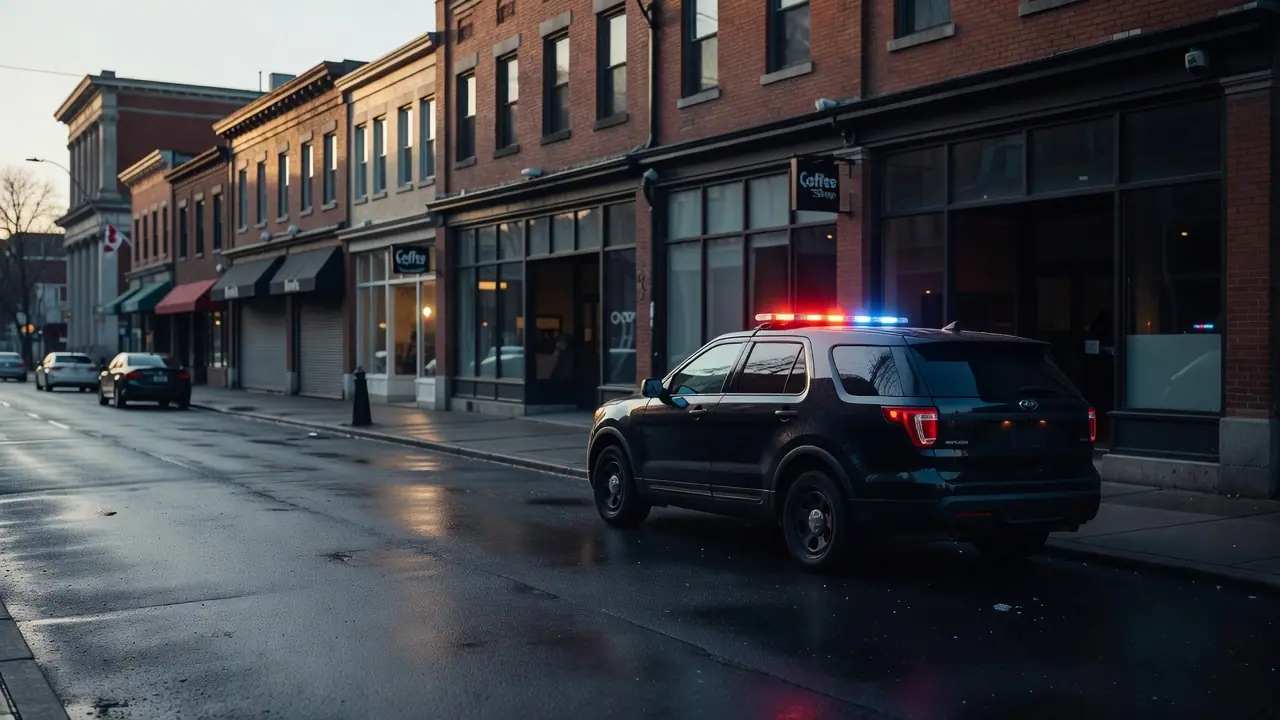
Accompanying images are AI-generated illustrations, not photographs of actual events or persons.
Important Legal Disclaimer
The information on this page is based on early public reports about an ongoing Toronto police investigation and is for general information only. It is not legal advice. Details may change as police release more information, and anyone accused is presumed innocent. If you have been injured in a violent incident, speak with a lawyer about your specific situation, as deadlines and options depend on your facts.
Source: CityNewsTO
Named in this article? Request content removal