
Understanding your legal rights is crucial when faced with harassment, as Ontario law provides several avenues for protection.
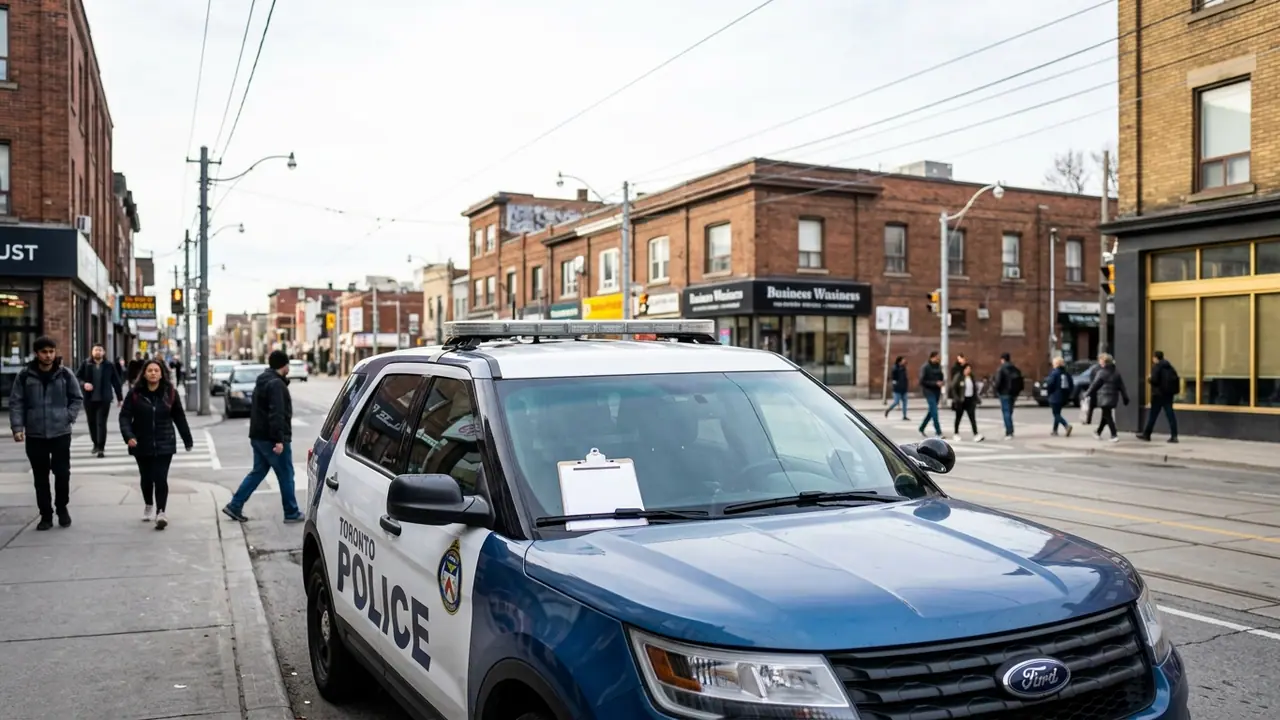
A recent incident at the intersection of Queen Street East and Broadview Avenue in Toronto's east end resulted in the arrest of Todd Christopher Rose, 50, for criminal harassment. Police allege that on May 21, Rose followed a 29-year-old woman persistently, causing her distress. Fortunately, she managed to escape and report the incident. This arrest highlights the importance of understanding legal protections against harassment in Ontario. Litigation lawyers can provide guidance in such situations, ensuring victims know their rights and the available legal recourse.
Key Takeaways
Criminal harassment involves repeated, unwanted behavior.
Victims have legal protections and can seek help from authorities.
Understanding legal rights is crucial in harassment cases.
UL Lawyers Insight
For residents of Ontario, this incident underscores the significance of being aware of your legal rights when faced with harassment. Criminal harassment is a serious offense under the Criminal Code of Canada, involving repeated and unwanted contact that causes fear for one's safety. Victims have the right to report such behavior to police and seek restraining orders or other protective measures. It's crucial to understand that legal systems are in place to protect individuals from such threats, and engaging with legal professionals can help in effectively navigating these issues.
Action Checklist
What You Should Do
Document all incidents of harassmentUrgent
Keep detailed records of dates, times, and descriptions of each incident.
Report the harassment to the policeUrgent
Engage law enforcement to ensure the issue is officially recorded.
Seek a restraining order if necessaryUrgent
Legal protection can prevent further harassment.
Consult with a litigation lawyer
Professional guidance can help you understand your rights and options.
Maintain a support network
Stay connected with friends or family for emotional support and safety.
Your Rights and Options
Ontario residents experiencing harassment have several legal avenues for protection. Under the Criminal Code, criminal harassment is punishable by law, and victims can seek help through law enforcement. Additionally, protective orders such as restraining orders can be sought through the courts to ensure safety. It's vital to act swiftly and document all incidents of harassment to support your case. Consulting with experienced litigation lawyers can provide clarity on your rights and the steps needed to secure legal protection.
Common Questions Answered
How UL Lawyers Can Help
Dealing with harassment can be overwhelming, but you don't have to face it alone. At UL Lawyers, we understand the distress such situations cause and are here to support you. Our team can guide you through the legal process, ensuring you know your rights and options. We offer a compassionate and comprehensive approach to help you seek justice and safety. Reach out to us for a free consultation to discuss your situation and how we can assist you.
If you're facing harassment, knowing your legal rights is essential. Contact us for a free consultation to explore your options.
About this article:
Summary prepared with AI assistance from the linked source's reporting. Edited by UL Lawyers for Ontario context.
Accompanying images are AI-generated illustrations, not photographs of actual events or persons.
Important Legal Disclaimer
This article provides general information and is not legal advice. For advice on specific legal issues, please consult a qualified lawyer.
Source: CTV News
Named in this article? Request content removal