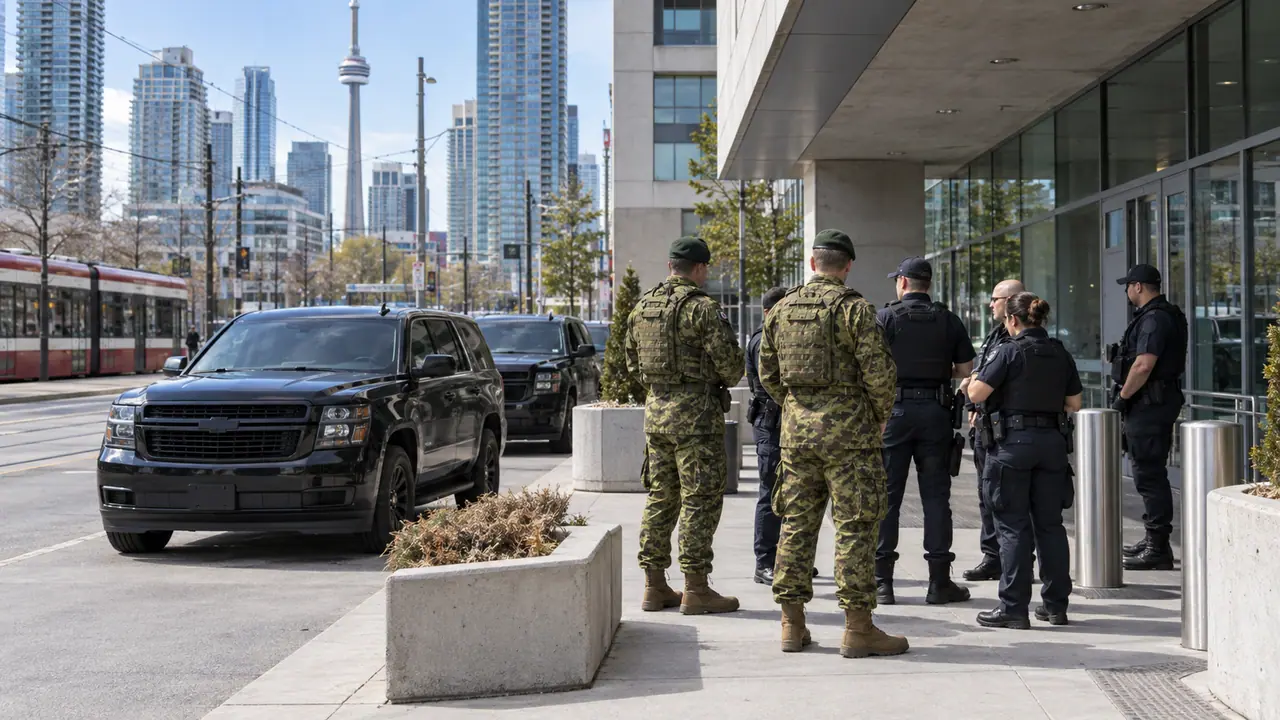

This case highlights the potential for serious legal repercussions when military training is misused in civilian contexts.
In a dramatic turn of events, Toronto police have arrested seven individuals following a reported kidnapping near Finch and Bayview Avenues in Toronto. Among those charged are three Canadian Armed Forces (CAF) members, highlighting concerns over military involvement in civilian crimes. The case began on July 25, when a man was abducted at gunpoint while approaching his vehicle. The suspects attempted to access his cryptocurrency assets, and he was released after being threatened not to contact the police. Within a day, two suspects were apprehended, leading to further arrests throughout August and September.
Key Takeaways
Seven individuals charged, including three CAF members.
Crimes involved kidnapping and attempted cryptocurrency theft.
Investigation began with an abduction near Finch and Bayview Avenues.
UL Lawyers Insight
This case serves as a stark reminder of the complexities and potential dangers involved when individuals with military training engage in criminal activities. For Ontario residents, it underscores the importance of understanding how serious criminal charges can impact one's life and those around them. The presence of military personnel among the accused raises additional concerns about the security of military equipment and the potential misuse of specialized training. UL Lawyers Legal Team can provide insight into how these developments might affect legal proceedings in Ontario.
Action Checklist
What You Should Do
Understand your legal rights under the CharterUrgent
Ensure you know your rights to remain silent and to legal representation.
Seek immediate legal counselUrgent
Professional guidance is crucial in navigating complex legal matters.
Do not discuss the case publiclyUrgent
Public statements can be used against you in court.
Review any military protocols if applicable
Ensure compliance with military regulations alongside civilian laws.
Gather any evidence or documentationUrgent
Collect pertinent information that may support your defense.
Your Rights and Options
In Ontario, individuals facing criminal charges like kidnapping and firearm-related offences have the right to a fair trial. Under the Canadian Charter of Rights and Freedoms, you are presumed innocent until proven guilty, and you have the right to legal representation. If you or someone you know is involved in a situation similar to this, it’s crucial to understand your rights within the legal system, including the right to remain silent and the right to consult with legal counsel.
Consulting with experienced legal professionals can help navigate these complex legal waters.
Common Questions Answered
How UL Lawyers Can Help
Facing legal charges can be overwhelming, especially when they involve serious accusations like those described here. At UL Lawyers, we are here to support you through every step of the legal process. Our team is committed to providing comprehensive legal guidance tailored to your unique situation. If you find yourself in a similar circumstance, don't hesitate to reach out for a free consultation to discuss your options and how we might assist you in achieving the best possible outcome.
Facing serious charges? Talk to us for a free consultation to understand your legal options.
About this article:
Summary prepared with AI assistance from the linked source's reporting. Edited by UL Lawyers for Ontario context.
Accompanying images are AI-generated illustrations, not photographs of actual events or persons.
Important Legal Disclaimer
This page provides general information and does not constitute legal advice. For specific guidance, please consult with a legal professional. Laws and procedures may change, and legal advice should be tailored to individual circumstances.
Source: Global News : Canada
Named in this article? Request content removal