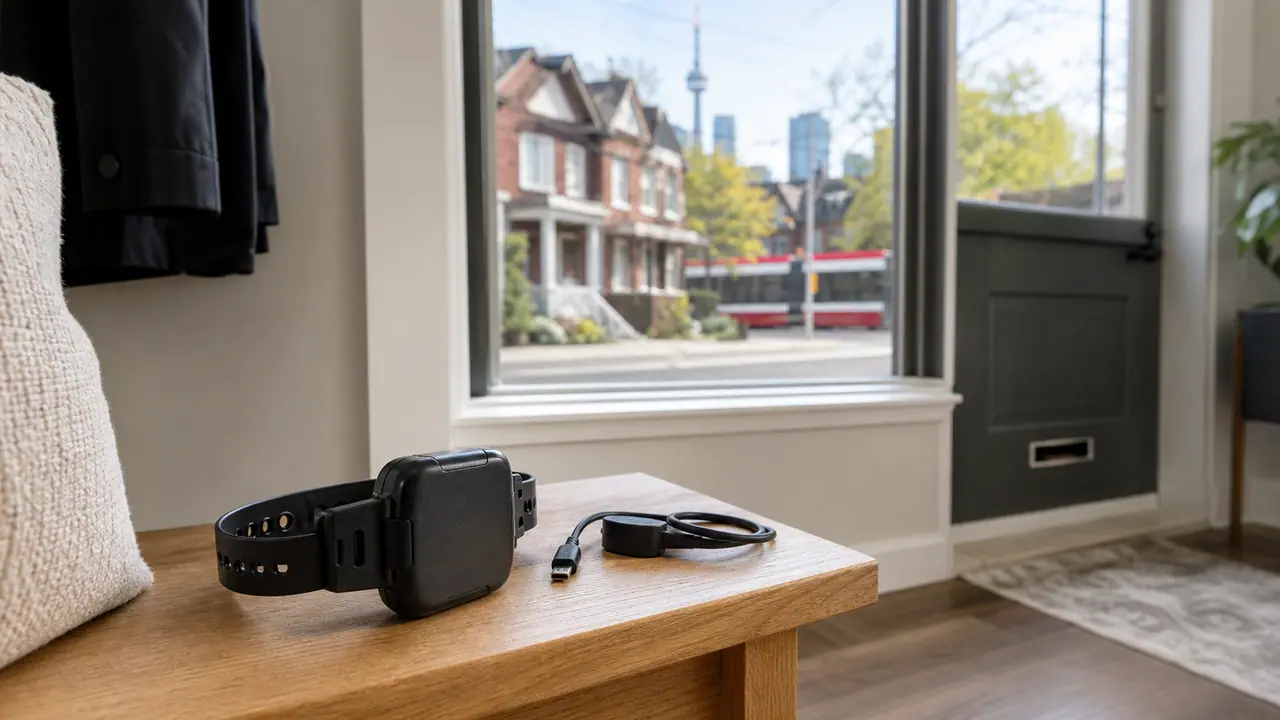

Compliance with court-ordered conditions, like GPS monitoring, is crucial to avoid escalating legal issues.
Toronto police are requesting the public's assistance in locating Daryl Michael Boyd, a 36-year-old man of no fixed address, wanted for failing to comply with the conditions of his court-ordered release. Boyd, who was supposed to keep his GPS ankle monitor charged at all times, failed to do so, causing the device to stop transmitting. This incident took place in the Woodbine Avenue and Cosburn Avenue area around 7:30 p.m. on a recent Monday, raising concerns about his current whereabouts.
Boyd is facing two counts of failing to comply with a release order. Police have released images to aid in the search and are urging anyone with information to contact them or Crime Stoppers anonymously. Such breaches highlight the ongoing challenges in monitoring individuals on court-ordered releases, potentially impacting community safety.
Key Takeaways
Daryl Michael Boyd failed to comply with GPS monitor conditions.
Police seek public help to locate Boyd after device lost signal.
Non-compliance with court orders can lead to further legal consequences.
UL Lawyers Insight
This situation underscores the importance of compliance with court orders, especially those involving GPS monitoring. For Ontario residents, it highlights the legal expectations placed on individuals released under such conditions. Non-compliance can lead to further legal action and potentially harsher penalties. Understanding the terms of release and the consequences of breaking them is crucial for anyone involved in the legal system, either directly or indirectly.
If you or someone you know is navigating similar legal challenges, staying informed and seeking guidance from professionals can ensure compliance and avoid additional charges. Our legal team is here to help you understand such complex scenarios.
Action Checklist
What You Should Do
Review your court-ordered release conditions thoroughlyUrgent
Understanding your obligations is crucial to compliance.
Ensure your GPS monitor is charged at all timesUrgent
Failure to maintain the device can lead to legal breaches.
Contact a legal professional if conditions are unclearUrgent
Get advice to prevent unintentional non-compliance.
Report any issues with the GPS device immediatelyUrgent
Technical problems should be documented and communicated.
Regularly check in with your legal advisor
Keep them informed of any changes or concerns.
Your Rights and Options
If you are subject to a court-ordered release in Ontario, it is vital to understand the specific obligations and conditions, such as maintaining a charged GPS monitor. Under the Criminal Code of Canada, failing to comply can result in additional charges, potentially leading to arrest or revisions to your release terms. It is advisable to regularly review your release conditions and seek legal advice if you are unsure about any aspect.
Consulting with legal professionals can provide clarity and help avoid unintentional breaches.
Common Questions Answered
How UL Lawyers Can Help
Navigating the complexities of court-ordered releases can be overwhelming, especially when it involves compliance with technical conditions like GPS monitoring. At UL Lawyers, we understand these challenges and are committed to providing the support and guidance you need to adhere to your legal obligations. Our team can help you interpret your release conditions, advise on effective compliance strategies, and represent you in case of any disputes or breaches. Reach out for a free consultation to discuss your specific legal needs.
Have questions about court-ordered conditions like GPS monitoring? Our legal experts can help clarify your obligations and protect your rights.
About this article:
Summary prepared with AI assistance from the linked source's reporting. Edited by UL Lawyers for Ontario context.
Accompanying images are AI-generated illustrations, not photographs of actual events or persons.
Important Legal Disclaimer
This page provides general information and should not be construed as legal advice. For specific legal guidance, consult with a qualified professional.
Source: CityNewsTO
Named in this article? Request content removal