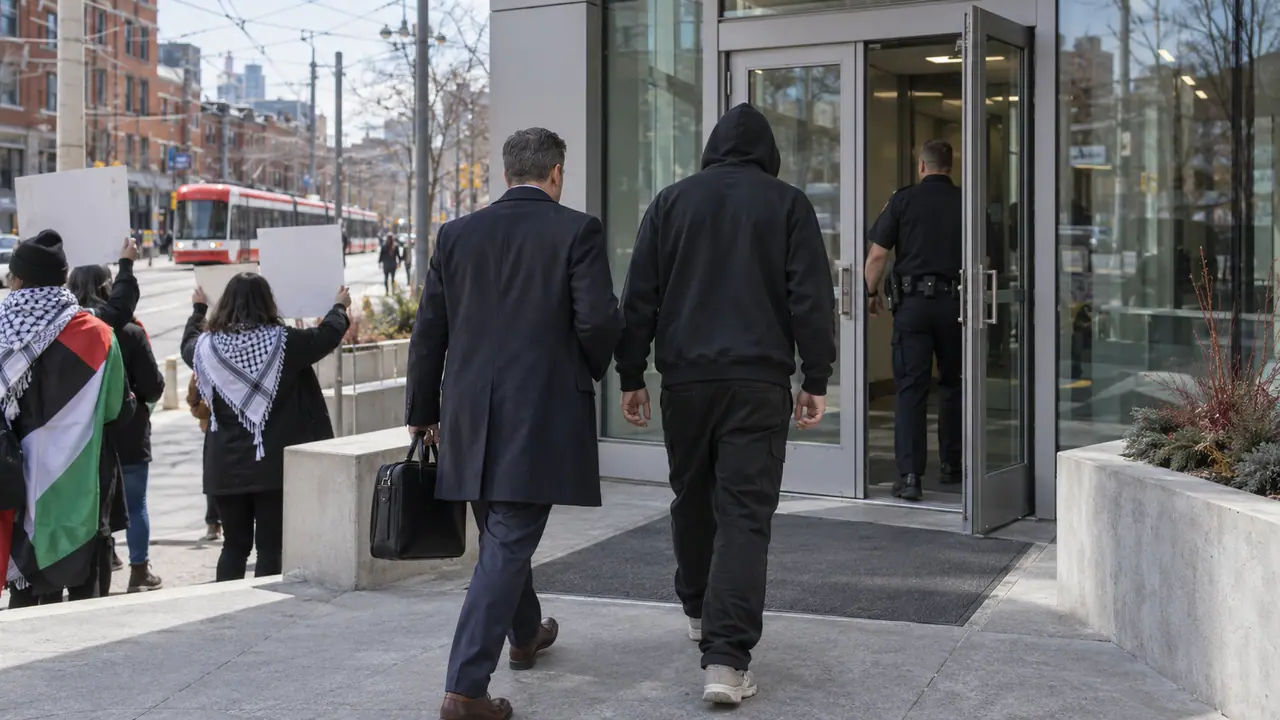

Protests are a fundamental right, but they require participants to understand their legal boundaries to avoid unintended legal consequences.
On October 10, 2026, an anti-Israel protest at the intersection of Yonge and Grosvenor Streets in Toronto took a violent turn when a man, Martin Salgatar, 20, from Mississauga, allegedly attacked another participant from behind. The incident, caught on video and shared widely on social media, shows Salgatar striking the victim, pulling him to the ground, and repeatedly punching him. Fellow protesters attempted to intervene, but the scene escalated as the victim was berated while bleeding on the sidewalk.
Salgatar turned himself in to the Toronto Police Service's hate crime unit on October 13, and he faced charges the following day at the Toronto Regional Bail Centre.
Key Takeaways
A suspect turned himself in following a violent protest in Toronto.
The incident highlights safety risks and legal boundaries at demonstrations.
Understanding protest-related legal rights is essential for participants.
UL Lawyers Insight
This incident underscores the potential for violence at public demonstrations, raising questions about safety and the legal boundaries of protest activities. It highlights the importance of understanding your rights during such events, especially in the context of hate crime investigations. For Ontario residents, this serves as a reminder of the need for vigilance and awareness when participating in public gatherings.
If you're involved in organizing or attending protests, knowing when actions cross into criminal behavior is crucial. If you feel your rights have been violated at a protest, consulting with legal professionals can help clarify your options.
Action Checklist
What You Should Do
Familiarize yourself with protest rights under the Charter
Understanding your rights can help you navigate public demonstrations safely.
Document any incidents of violence or harassmentUrgent
Recording evidence can be crucial for legal proceedings.
Report any illegal activity to authoritiesUrgent
Prompt reporting can help ensure appropriate legal action is taken.
Consult with a lawyer if charged or injuredUrgent
Professional legal advice can provide clarity on your rights and options.
Avoid engaging in or escalating violent behaviorUrgent
Violence at protests can lead to criminal charges.
Your Rights and Options
In Ontario, participating in protests is protected under the Canadian Charter of Rights and Freedoms, which ensures your right to peaceful assembly and freedom of expression. However, this protection does not extend to violent acts or hate crimes, which are prosecuted under criminal law. If you are injured or feel targeted during a protest, you have the right to report the incident to police and seek legal advice. Hate crimes, in particular, are taken seriously, and charges can lead to significant legal consequences.
Consulting with legal professionals can provide guidance on how to proceed if you believe your rights were infringed.
Common Questions Answered
How UL Lawyers Can Help
Experiencing or witnessing violence at a protest can be unsettling and confusing. At UL Lawyers, we understand the complexities of legal rights in public demonstrations and can offer support to those affected. Whether you need assistance in understanding your legal standing, pursuing a claim, or defending against charges, we are here to guide you through your options in a compassionate and informed manner. Schedule a free consultation to discuss your situation and how we can assist you.
If you have concerns about protest-related legal issues, our team is here to help clarify your rights and options.
About this article:
Summary prepared with AI assistance from the linked source's reporting. Edited by UL Lawyers for Ontario context.
Accompanying images are AI-generated illustrations, not photographs of actual events or persons.
Important Legal Disclaimer
This page provides general information and should not be considered legal advice. For specific legal guidance, please consult a qualified lawyer.
Source: National Post - Canada
Named in this article? Request content removal