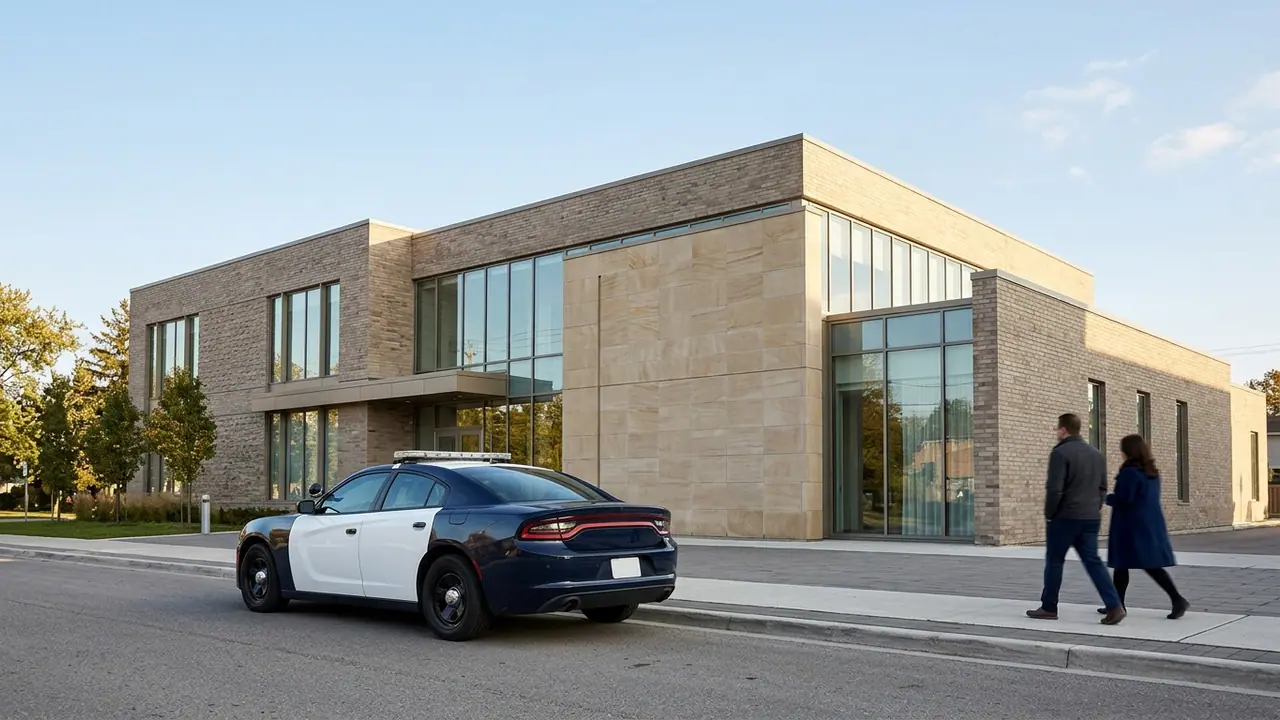

The arrests in these synagogue shootings underline the severity with which our legal system treats crimes against religious institutions.
In a concerning incident that has captured the attention of the Greater Toronto Area, Toronto police have arrested a second suspect involved in shootings at two synagogues. The incidents occurred at the Beth Avraham Yoseph of Toronto synagogue in Vaughan, near Steeles Avenue and Dufferin Street, and at Shaarei Shomayim synagogue in Toronto’s north end, around Bathurst Street and Glencairn Avenue, on March 6, 2026. Fortunately, no injuries were reported, but the buildings sustained damage from gunfire. The latest arrest of a 17-year-old male from Waterloo underscores the ongoing police investigation to ensure community safety.
Key Takeaways
Second suspect charged in Toronto-area synagogue shootings
Incidents occurred in Vaughan and Toronto's north end
No injuries reported, but buildings were damaged
UL Lawyers Insight
For residents in Ontario, these events highlight the importance of understanding legal protections against hate crimes and the responsibilities of law enforcement in safeguarding community spaces. Being aware of such incidents can reinforce the need for vigilance and community collaboration in reporting and preventing violence. The situation also underscores the legal ramifications for those involved in such crimes, emphasizing the role of the justice system in maintaining public safety.
If you have concerns about community safety or legal rights in similar situations, consulting with legal professionals can provide valuable guidance.
Action Checklist
What You Should Do
Report any suspicious activities to local policeUrgent
Immediate reporting can prevent potential crimes and enhance community safety
Stay informed about local safety initiatives
Awareness and participation can strengthen community protection measures
Understand your rights under the Criminal Code
Knowing legal protections can empower you to act if needed
Consult with legal professionals if affected by similar incidents
Legal advice can guide you on actions to ensure justice and safety
Engage in community dialogues about safety and prevention
Open discussions can foster understanding and proactive measures
Your Rights and Options
Ontario law provides strong protections against crimes motivated by hate or discrimination, and the justice system takes such incidents very seriously. Under the Criminal Code of Canada, any form of violence against religious institutions is considered a serious offense, with perpetrators facing stringent penalties. Residents have the right to feel safe in their communities and report suspicious activities to local law enforcement.
If you or your community have been affected, reaching out for legal advice can help you understand your rights and the legal measures available to you.
Common Questions Answered
How UL Lawyers Can Help
Experiencing or witnessing a violent incident can be distressing, and understanding your legal rights is crucial. At UL Lawyers, we are committed to providing support and guidance in such challenging times. Our legal team can help you navigate the complexities of the legal system, ensuring your rights are protected and your concerns are addressed. Contact us for a free consultation to discuss your situation and explore your legal options.
Concerned about community safety or legal rights? Reach out to our legal team for a consultation.
About this article:
Summary prepared with AI assistance from the linked source's reporting. Edited by UL Lawyers for Ontario context.
Accompanying images are AI-generated illustrations, not photographs of actual events or persons.
Important Legal Disclaimer
This page provides general information about recent legal developments in Ontario and does not constitute legal advice. For specific cases and legal questions, please consult a qualified lawyer.
Source: Hamilton Spectator
Named in this article? Request content removal