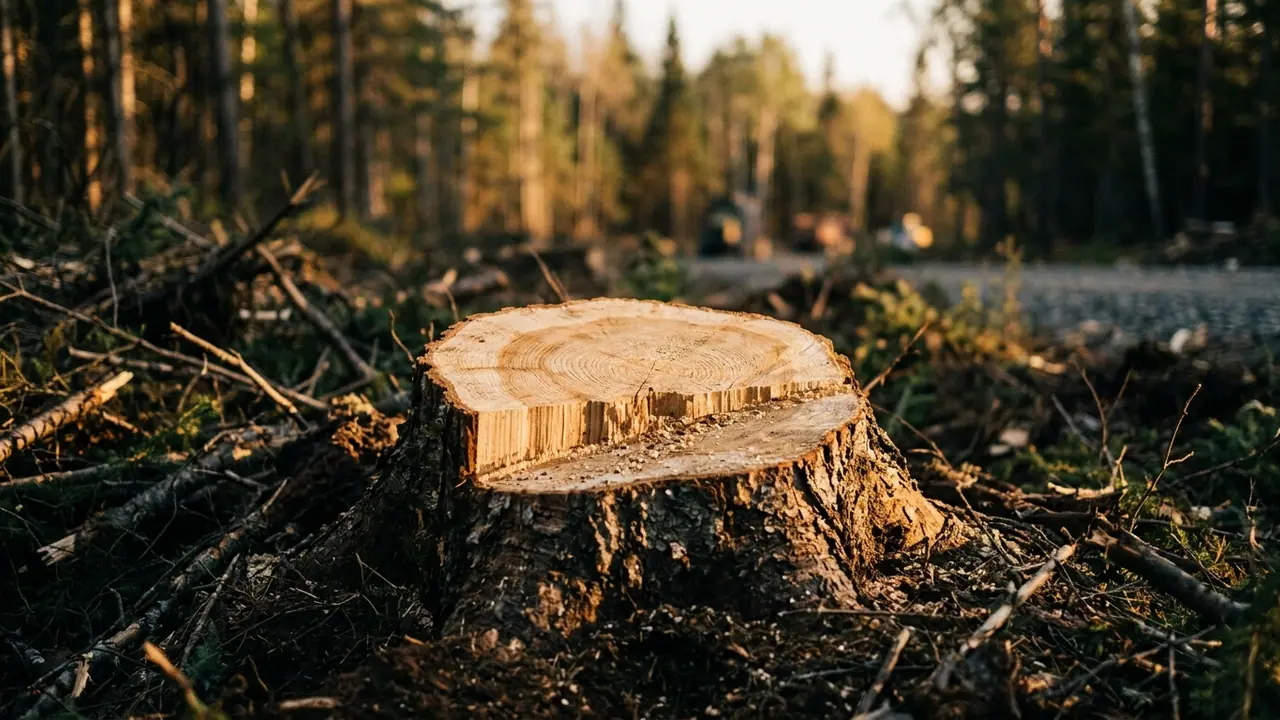

Unauthorized tree removal not only affects the environment but can also lead to significant legal liabilities.
In a surprising event at Glenrose Avenue near the St. Clair Avenue East-Mount Pleasant Road intersection, three mature evergreens were cut down without a permit. These trees, believed to be nearly a hundred years old, were removed from a property that recently sold, but the sale hasn't been finalized yet. The Toronto police and city officials are investigating this unauthorized action, while the developer involved denies any responsibility.
These actions bring attention to the importance of adhering to local environmental and property laws, particularly in historic neighborhoods.
Key Takeaways
Three mature trees were removed without a permit in Toronto's midtown.
Local bylaws require permits for tree removal to protect the environment.
Unauthorized actions can lead to significant legal consequences.
UL Lawyers Insight
For Ontario residents, this incident underscores the significance of understanding local bylaws related to property modifications. Unauthorized tree removal can lead to legal consequences, including fines and other penalties. This situation serves as a reminder that any changes to property, especially those affecting the environment, should be conducted with proper permits and legal guidance. It's crucial for property owners and developers to be aware of such regulations to avoid potential legal complications.
If you're dealing with property issues, consulting with Wills & Estate Lawyers can provide clarity on your rights and responsibilities.
Action Checklist
What You Should Do
Verify if permits are needed for property changesUrgent
Ensure compliance with local bylaws before any modifications.
Report unauthorized activities to local authoritiesUrgent
Prompt reporting can prevent further environmental damage.
Consult with a lawyer about property rights
Understand your legal obligations and protections.
Educate yourself on local environmental laws
Stay informed about regulations that affect your property.
Keep records of all property modifications
Documentation helps in case of disputes or investigations.
Your Rights and Options
As a property owner or resident in Ontario, you have the right to expect that environmental laws are upheld in your community. If you suspect unauthorized activities on your property or in your neighborhood, it's important to report them to local authorities. Understanding your rights and the legal requirements for property alterations is essential. For guidance on your rights and responsibilities regarding property and environmental laws, consider reaching out for a free consultation with our legal team.
Common Questions Answered
How UL Lawyers Can Help
Navigating the complexities of property law and environmental regulations can be challenging. At UL Lawyers, we understand the stress that legal uncertainties can bring and are here to support you through it. Our team is dedicated to helping you understand your legal rights and obligations, ensuring you make informed decisions regarding property changes. If you're facing similar issues or have concerns about property laws, reach out for a free consultation to discuss your situation and explore your legal options.
Unsure about how local bylaws affect your property rights? Contact us for a free consultation to clarify your legal standing.
About this article:
Summary prepared with AI assistance from the linked source's reporting. Edited by UL Lawyers for Ontario context.
Accompanying images are AI-generated illustrations, not photographs of actual events or persons.
Important Legal Disclaimer
This article is for informational purposes only and does not constitute legal advice. For specific legal guidance, please consult with a qualified attorney.
Source: CBC | Toronto News
Named in this article? Request content removal