
This trial underscores the gravity of failing to stop after an accident and the severe legal repercussions that can follow.
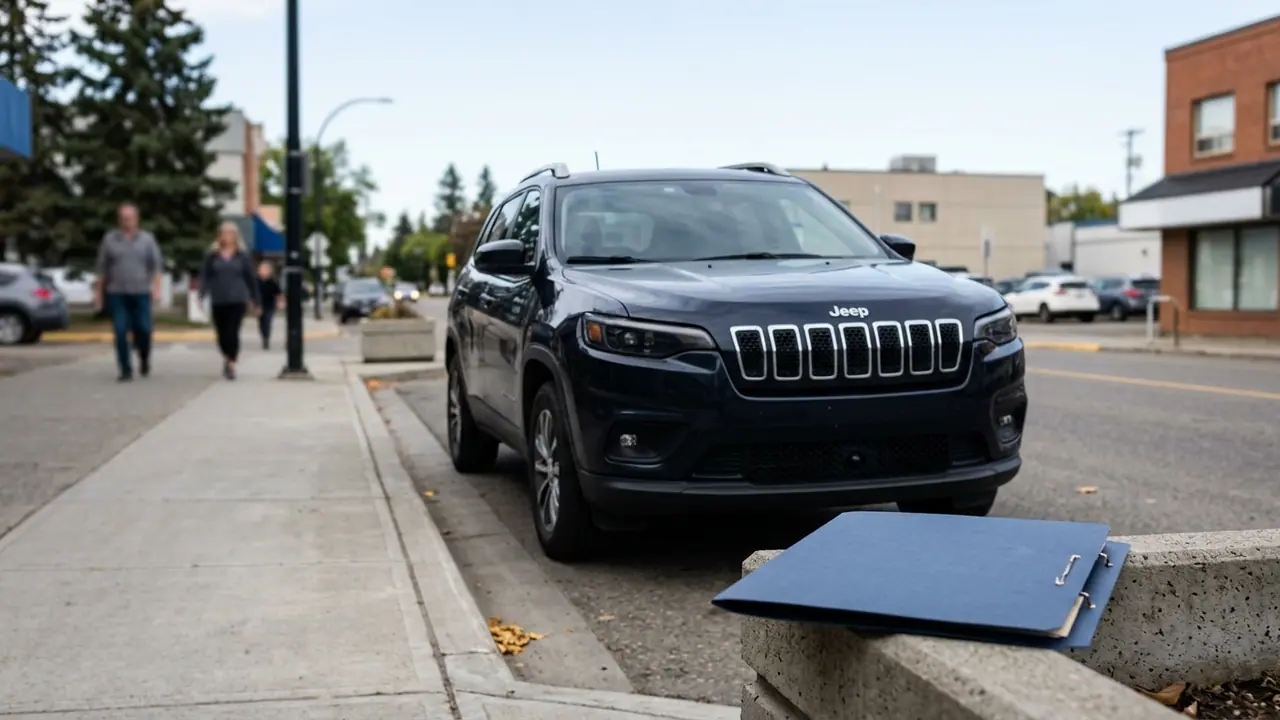
In Prince George, the trial of Edward Allan Meier, accused of a fatal 2019 hit-and-run, commenced this week. The incident occurred on May 10, 2019, along the north side of Victoria Street, between 17th Avenue and Patricia Boulevard, when a Jeep Cherokee swerved and struck Marcel Simpson, who was in a wheelchair, and another man pushing a bike. Simpson tragically died from his injuries shortly after, while the other man suffered a broken leg. This case underscores the serious legal consequences of failing to stop after an accident resulting in death or bodily harm.
Key Takeaways
Edward Allan Meier faces trial for a fatal hit-and-run in Prince George.
The accident occurred on Victoria Street, impacting two individuals.
Understanding legal obligations in vehicle accidents is crucial.
UL Lawyers Insight
For Ontario residents, this case highlights the critical importance of understanding your legal rights and responsibilities after a motor vehicle accident. Failing to stop at the scene of an accident, especially one involving injuries, can result in severe legal penalties, including criminal charges. If you're involved in a similar situation, it's crucial to contact Motor Vehicle Accident Lawyers to ensure you fulfill all legal obligations and protect your rights.
This trial also serves as a reminder of the need for robust personal and family protection strategies, including comprehensive insurance coverage.
Action Checklist
What You Should Do
Seek medical attention immediatelyUrgent
Document injuries and get necessary treatment
Take photos of the accident scene and damageUrgent
Visual evidence is critical for insurance claims
Collect witness contact informationUrgent
Witness statements strengthen your case
Report the accident to your insurance companyUrgent
Failure to report can affect your coverage
Do not sign releases or settle quicklyUrgent
Early settlements may undervalue your claim
Keep records of all expenses and lost wages
Track all accident-related costs for compensation
Your Rights and Options
In Ontario, the Highway Traffic Act and the Criminal Code of Canada set stringent requirements for drivers involved in accidents. Drivers must stop and provide assistance, exchange information, and report the accident to authorities if there are injuries or significant damage. Failing to do so can lead to criminal charges, as seen in this case. If you've been involved in a vehicle accident, consulting with experienced legal professionals can help you navigate the complexities of the law and ensure your rights are upheld.
Under the Limitations Act, 2002, victims have two years from the date of the accident to file a claim for damages. It's important to act promptly to preserve evidence, secure insurance entitlements, and explore legal avenues for compensation.
Common Questions Answered
How UL Lawyers Can Help
If you're dealing with a motor vehicle accident matter in Ontario, our motor vehicle accident team can review the specifics of your situation and explain the options open to you. We act for clients across Ontario, with practical, no-pressure advice.
Facing legal challenges after an accident? Our team is here to help you navigate your rights and options.
About this article:
Summary prepared with AI assistance from the linked source's reporting. Edited by UL Lawyers for Ontario context.
Accompanying images are AI-generated illustrations, not photographs of actual events or persons.
Important Legal Disclaimer
This page provides general information and should not be considered legal advice. For advice specific to your situation, consult with a qualified legal professional.
Source: Hamilton Spectator
Named in this article? Request content removal