
Understanding the legal framework for protests is crucial to ensure civic actions remain within the boundaries of the law.
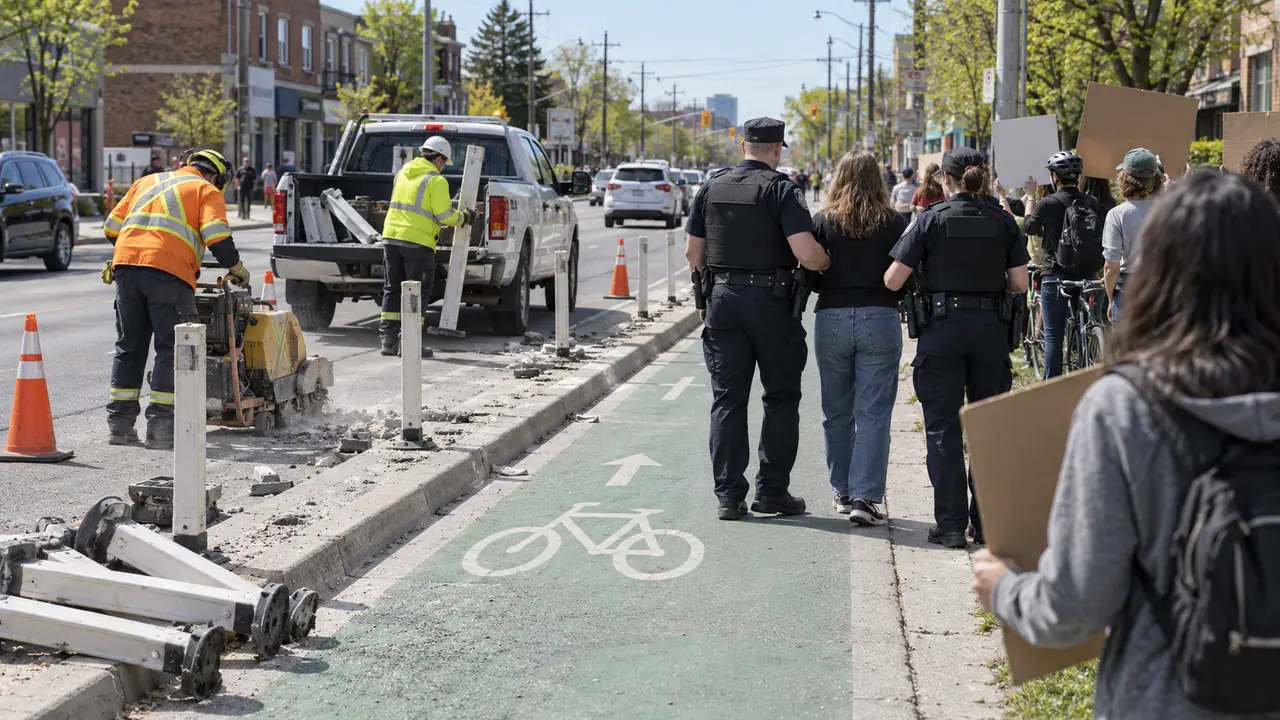
On October 14, 2026, tensions flared on Bloor Street West in Etobicoke as protesters gathered to prevent the removal of protected bike lanes. The Ford government mandated the lane removals, sparking significant backlash from cycling advocates. During the protests, police arrested two individuals, including 25-year-old Nina Thi Thi Tran from Hamilton, who was charged with obstructing a peace officer and mischief for interfering with property under $5,000.
Despite the protests, which included sit-ins and physical blockades of construction vehicles, the Ontario government remains steadfast in its decision. Transportation Minister Prabmeet Sarkaria insisted that the removal would proceed, despite the protesters' efforts to halt the work. Toronto Police Chief Myron Demkiw confirmed the legality of the construction, warning that interference could result in criminal charges.
Key Takeaways
Residents protested bike lane removals on Bloor Street West, Etobicoke.
Two individuals were arrested for obstructing lawful work.
The Ontario government remains committed to removing the lanes.
UL Lawyers Insight
For Ontario residents, this situation underscores the ongoing conflict between urban development directives and community interests, particularly involving bicycle infrastructure. The removal of bike lanes not only affects cyclists' safety but also raises broader questions about civic engagement and government accountability. Residents should be aware that peaceful protests, while a democratic right, must comply with legal boundaries to avoid charges.
Understanding these limits is crucial for those wishing to advocate for community interests without facing legal consequences. The situation highlights the importance of staying informed about governmental changes and participating in civic discourse to influence decisions that impact public space and safety.
Action Checklist
What You Should Do
Understand the legal boundaries of protestingUrgent
Ensure your actions comply with local laws to avoid charges.
Document all interactions with law enforcementUrgent
Keep records of any discussions or instructions for legal reference.
Consult with legal counsel before organizing protests
Seek advice to ensure activities are legally compliant.
Engage with local government on policy changes
Participate in consultations and express community concerns.
Stay informed about local infrastructure changes
Monitor municipal decisions that impact public spaces.
Your Rights and Options
Ontario residents have the right to protest peacefully; however, understanding the legal boundaries is essential to avoid charges such as mischief or obstruction of a peace officer. The Criminal Code outlines these offenses, emphasizing the importance of not interfering with lawful work. If facing legal proceedings as a result of civic engagement, seeking legal advice is crucial. Consulting with litigation lawyers can help understand your rights and potential defenses.
Participating in community consultations and staying informed about municipal decisions are proactive ways to engage with civic issues effectively.
Common Questions Answered
How UL Lawyers Can Help
Navigating legal challenges arising from civic engagement can be daunting. At UL Lawyers, we understand the complexities of the law and the stress these situations can impose. Our compassionate legal team is here to provide guidance, ensuring you understand your rights and options. We offer a free consultation to discuss your concerns and how we can assist in resolving any legal issues you face. Our legal team will make space to hear what happened, answer your questions in plain language, and offer a free consultation when you feel ready.
Concerned about your rights during civic protests? Contact us for a free consultation to discuss your legal options.
About this article:
Summary prepared with AI assistance from the linked source's reporting. Edited by UL Lawyers for Ontario context.
Accompanying images are AI-generated illustrations, not photographs of actual events or persons.
Important Legal Disclaimer
This page is for informational purposes only and does not constitute legal advice. For specific legal concerns, please consult with a qualified attorney.
Source: CityNews Toronto
Named in this article? Request content removal