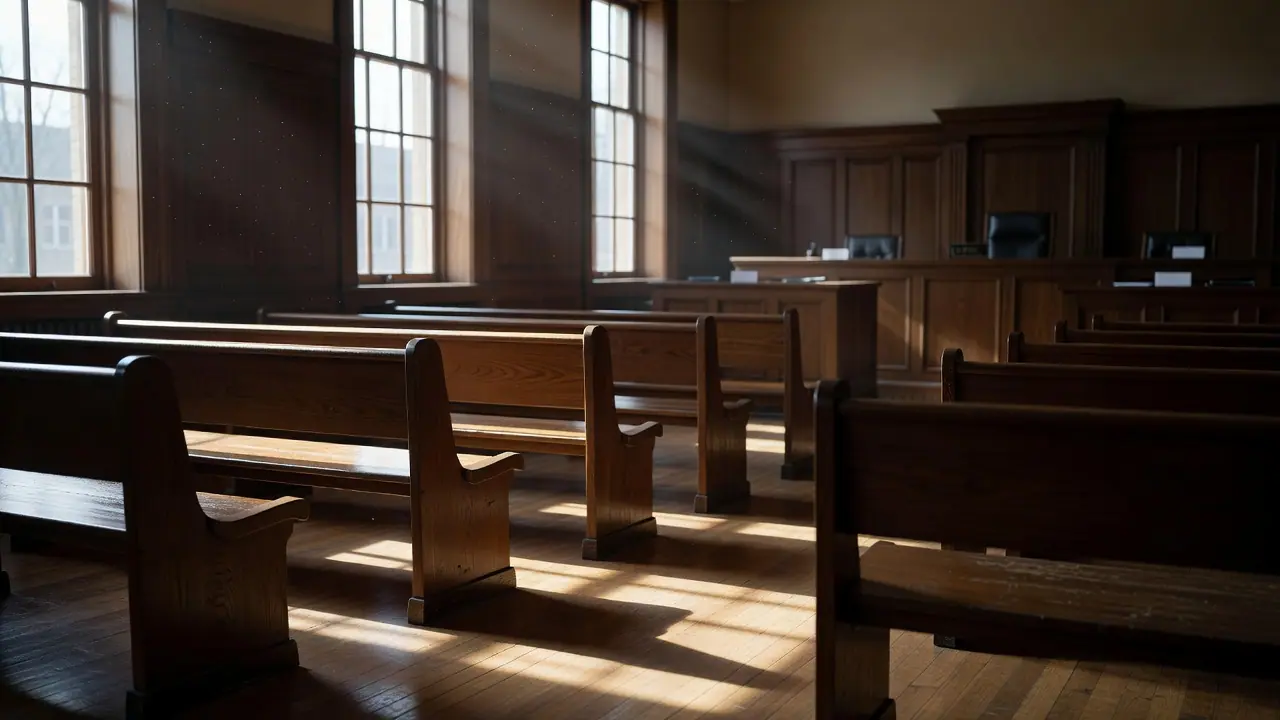

In Ontario, a criminal sentence and a survivor's right to compensation are two separate tracks. Whatever happens at sentencing, survivors of sexual abuse have no limitation period to start a civil claim, so they can take the time they need before getting advice.
A 23-year-old man from Severn Township will not serve prison time for the sexual abuse of a 14-year-old girl. Justice Stacey Nichols delivered the sentence on the morning of Tuesday, November 17, 2026, in a Barrie courtroom. The man had pleaded guilty to sexual interference earlier this year. He received a sentence of two years less a day, to be served in the community. The Crown had asked for three years in prison. Cases like this raise important legal questions for families across Ontario about how sentencing works and what rights survivors have.
Under the sentence, the man will spend 18 months under house arrest, followed by six months on a curfew. Justice Nichols noted that he has been diagnosed with autism. She found that he has "significant cognitive impairment" and "diminished moral culpability." She agreed with the defence that sending him to prison was not necessary. The judge decided he could serve his sentence in the community because he was assessed as a low risk of further sexual offending, as long as he has proper supervision and support. He was also placed on the sex offender registry for 20 years and banned from possessing weapons for 10 years.
The man pleaded guilty to sexual interference in April 2026. As part of that plea, he admitted to getting a 14-year-old girl drunk and then having sexual intercourse with her on two occasions. The court heard that he held her down, removed her clothing and did not use protection. The court also heard that he told the girl and her friends he was 17. In fact, he was about to turn 21.
The girls involved were between 13 and 15 years old. They came forward to police in 2024, and provincial police charged the man with several sex crimes. News photos show him at the Barrie courthouse on October 7, 2024, and at the Orillia courthouse on January 22, 2026, and April 22, 2026.
The Crown told the court that the man knew how old the girls were and did not care that they were children. The prosecution also argued that he tried to groom the girls. An assessment presented in court found that he tried to minimize his actions and may not fully understand the consequences of his behaviour. His defence lawyer told the court he has had neurodevelopmental issues all his life. She described him as "not an ordinarily functioning adult" who lives with cognitive and social limitations.
A publication ban protects the complainant's identity. She gave a victim impact statement in court, describing the trauma she has lived with since the abuse two years ago.
Key Takeaways
Justice Stacey Nichols sentenced a 23-year-old Severn Township man to two years less a day in the community: 18 months of house arrest, then six months on a curfew
The Crown had asked for a three-year prison sentence
He pleaded guilty in April 2026 to sexual interference involving a 14-year-old girl, and the court heard he told the girls he was 17 when he was about to turn 21
The judge pointed to his autism diagnosis, significant cognitive impairment, diminished moral culpability and low assessed risk with proper supervision
He was placed on the sex offender registry for 20 years and banned from possessing weapons for 10 years
In Ontario, there is no limitation period for civil claims based on sexual assault
UL Lawyers Insight
This case shows how Canadian judges weigh many factors when they decide on a sentence. Those factors include how serious the offence is, the harm to the victim, the offender's personal circumstances and the risk to the public. Under the Criminal Code, a conditional sentence such as house arrest can only be imposed when the sentence is less than two years and the judge is satisfied that serving it in the community will not put public safety at risk. That is why sentences of "two years less a day" come up so often.
For survivors and their families, it is important to know that the criminal case is only one path. A criminal sentence punishes the offender, but it does not usually compensate the survivor. In Ontario, survivors of sexual abuse can also bring a separate civil lawsuit. Our civil litigation lawyers can explain how that process works. Parents may also want to explore our legal resource library for plain-language guides on how the justice system works.
Action Checklist
What You Should Do
Call 911 if you or a child is in immediate dangerUrgent
Safety comes first. Police can respond immediately and connect you with victim services.
Contact a sexual assault crisis line or support centreUrgent
Services like the Toronto Rape Crisis Centre (416-597-8808) offer 24/7 confidential support.
Preserve messages, photos and social media contactUrgent
Texts and online messages, including false claims about age, can be important evidence for police and civil claims.
Ask police or the Crown about victim services and your rights
Victims can ask for case updates and publication bans, and can give a victim impact statement.
Talk with your children about age misrepresentation and alcohol
Help teens recognize warning signs when an older person lies about their age or offers them alcohol.
Keep records of counselling, medical and other related costs
These records support a request for restitution or a future civil claim for compensation.
Get legal advice about a civil claim when you feel ready
Ontario has no limitation period for sexual assault claims, but early advice can help preserve evidence.
Your Rights and Options
Survivors of sexual abuse have rights during a criminal case. The Canadian Victims Bill of Rights gives victims the right to information about the case, to protection, and to take part, including by giving a victim impact statement like the one the complainant gave in Barrie. Complainants in sexual offence cases can also ask for a publication ban to keep their identity private, as happened here.
A criminal sentence does not end a survivor's legal options. Under Ontario's Limitations Act, 2002, there is no time limit for starting a civil lawsuit based on sexual assault. That means a survivor can seek compensation for therapy costs, lost income and emotional harm, even years later. A civil claim is decided on a lower standard of proof than a criminal case. If you are thinking about a civil claim, you can request a confidential consultation to understand your options.
Common Questions Answered
How UL Lawyers Can Help
If you or your child has been harmed, we understand how overwhelming the legal process can feel, especially when a criminal sentence doesn't seem to match the harm you've lived through. At UL Lawyers, we can walk you through your options in plain language. That includes whether a civil claim for compensation makes sense for you, what evidence may help, and how to protect your privacy along the way. We'll go at your pace and treat your story with care and respect. Reach out for a free, confidential consultation whenever you feel ready.
If you or someone you love is a survivor wondering what options exist beyond the criminal case, we're here to listen. Reach out for a free, confidential conversation whenever you're ready.
Ontario Road Report
One email a week with the road and collision stories we covered in your city and across Ontario.
About this article:
Summary prepared with AI assistance from the linked source's reporting. Edited by UL Lawyers for Ontario context.
Accompanying images are AI-generated illustrations, not photographs of actual events or persons.
Important Legal Disclaimer
This page provides general information about a sentencing decision reported in Barrie, Ontario, and about the rights of sexual abuse survivors. It is not legal advice and does not create a lawyer-client relationship. Criminal sentencing, victims' rights and civil claims depend on the specific facts of each case, so please speak with a qualified Ontario lawyer about your situation. If you are in danger, call 911.
Source: CP24
Named in this article? Request content removal