
In any criminal trial, the jury's job is to weigh each witness's evidence carefully, and a witness's history of dishonesty is a legitimate subject for cross-examination. Separately, people who lose money to investment fraud should remember that civil deadlines keep running while criminal cases move through the courts.
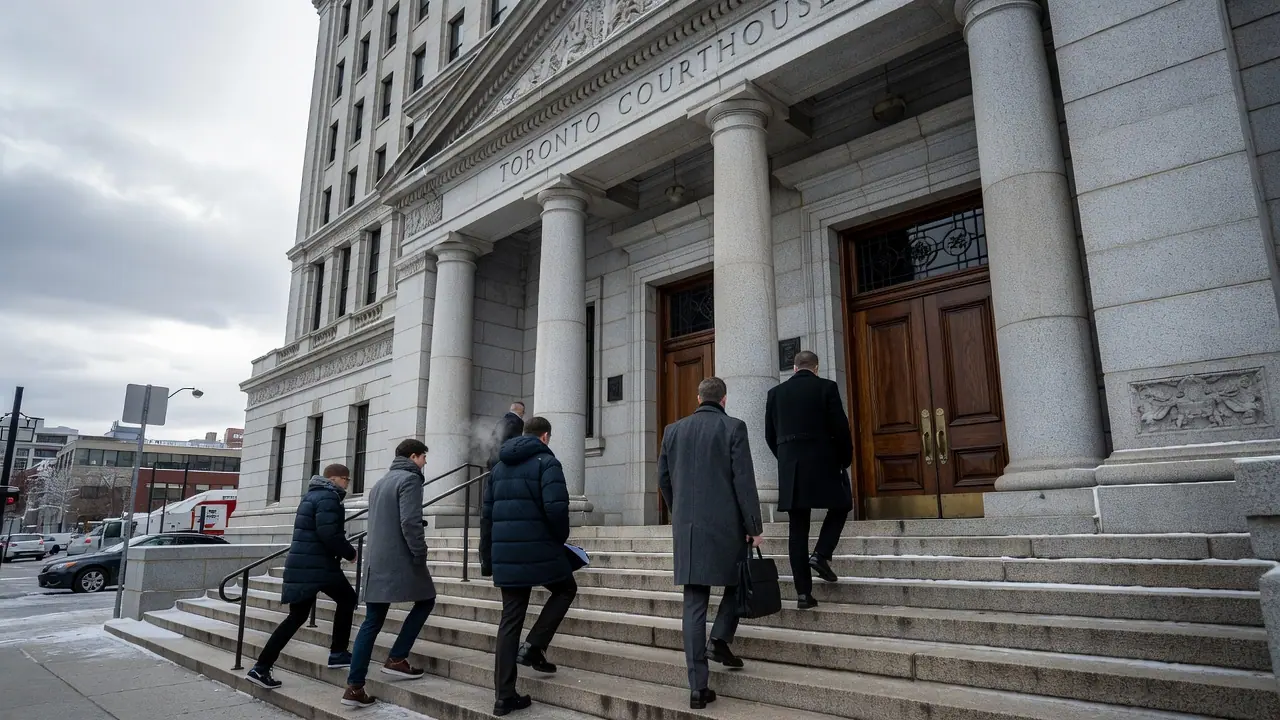
A criminal trial in Toronto's downtown courthouse has become a close examination of the man at its centre, even though he is not the one charged. Toronto Sun columnist Michele Mandel reports that a young Whitby man took the witness stand as the alleged victim in a kidnapping and extortion case. He was convicted in that same building last month of defrauding investors of $40 million. Defence counsel cross-examined him hard. The case shows how criminal trials, fraud and investor losses can overlap in Ontario's legal system.
The trial concerns the alleged kidnapping and extortion of the Whitby man in December 2022. According to the column, this was a time when angry investors had realized that the man, once seen as a young financial genius, had lost all of their money. The alleged kidnapping is described as violent and as lasting three days. A photo police took of the man after his release from the alleged kidnapping has been entered as a court exhibit.
Three men are on trial. One is 46 years old. The other two are 26 and are alleged to have been his captors and the muscle behind the alleged plot. All three have pleaded not guilty, and the allegations against them have not been decided by the court.
Defence lawyer Hussein Aly represents the 46-year-old accused. He questioned the Whitby man about what the column describes as a Ponzi scheme. Aly called him a liar, a cheat and a thief. He said the man had not been a crypto king but a "Lying King." Aly also suggested the man spent investors' money on himself and paid people to win over others so they would hand over even more money. The defence also accused him of framing one of the investors he had misled as the person who planned the alleged kidnapping.
In Mandel's view, the Whitby man was effectively on trial for a second time in the same courthouse. At his own fraud trial last month, he claimed he had been forced to represent himself and could not mount a defence. This time, he had to answer questions about lies that, according to the column, cost people their homes, marriages and retirement savings. The column says the point of this questioning was to suggest that jurors should not believe what he says about the three accused men. The column does not report a verdict in the kidnapping and extortion case.
Key Takeaways
A Toronto trial is underway over the alleged December 2022 kidnapping and extortion of a Whitby man.
The alleged victim was convicted last month in the same courthouse of defrauding investors of $40 million.
Three accused men, aged 46, 26 and 26, have pleaded not guilty.
Defence counsel attacked the man's credibility and accused him of framing an investor as the planner of the alleged kidnapping.
The column does not report a verdict, and the allegations against the accused have not been decided by the court.
UL Lawyers Insight
This case shows how much witness credibility matters in a criminal trial. In Canada, the Crown must establish an accused person's guilt beyond a reasonable doubt. Defence lawyers are entitled to test a complainant's honesty, including through any past convictions for dishonesty. A jury can accept some, all or none of what a witness says. That is why a complainant's history can become a central issue, even when that person is the alleged victim.
For Ontario investors, the story is also a reminder of how deep the financial and personal damage from investment fraud can be. A criminal conviction does not automatically return lost money. People who have lost savings to a scheme often have to look at separate civil options to try to recover funds. Experienced litigation lawyers can explain whether a civil claim makes sense and against whom. Our legal resource library also has general information on protecting your rights when money disputes arise.
Action Checklist
What You Should Do
Gather all records of your investmentUrgent
Collect contracts, e-transfer and bank records, crypto wallet statements, texts and emails showing what you invested and what you were told.
Note the date you discovered your lossUrgent
Ontario's two-year limitation period usually runs from discovery, so this date can decide whether you can still sue.
Speak with a lawyer about a civil claimUrgent
A lawyer can tell you whether a lawsuit is realistic and who might be responsible for your losses.
Report suspected fraud to police and the Ontario Securities Commission
Official reports create a record and may support criminal or regulatory action.
Ask about restitution and victim impact statements
If there is a criminal case, find out how to take part at sentencing and request that restitution be considered.
Avoid sending more money to recover lossesUrgent
Be cautious of anyone promising to recover your funds for an upfront fee, as these offers can be further scams.
Review your estate and retirement plans
If lost savings affect your retirement or what you planned to leave your family, consider updating your plans.
Your Rights and Options
If you lost money in an investment you now believe was fraudulent, the criminal case against the person responsible is only one path. In Ontario, you may also be able to bring a civil claim for your losses. Under the Limitations Act, 2002, you generally have two years from the date you discovered your claim to start a lawsuit, so waiting for a criminal case to finish can be risky. In a criminal case, the court may also consider a restitution order under the Criminal Code, and victims can usually submit a victim impact statement at sentencing.
If you are a witness or complainant in a criminal trial, you have rights under the Canadian Victims Bill of Rights. These include rights to information and protection. You can also report suspicious investment schemes to the Ontario Securities Commission. To understand which options fit your situation and your deadlines, you can request a free consultation with our team.
Common Questions Answered
How UL Lawyers Can Help
Finding out that money you trusted to someone may be gone can be overwhelming. It can affect your savings, your relationships and your sense of security. You do not have to sort through it alone. At UL Lawyers, we listen to what happened, review your documents and explain your options in plain language, including whether a civil claim may help you recover losses and what deadlines apply. We can also help you understand how a related criminal case may or may not affect your rights. If you are unsure where to start, reach out for a free consultation and we will help you take the next step with confidence.
Worried that money you invested may be gone for good? Talk to our team about your options and the deadlines that may apply before time runs out.
Ontario Road Report
One email a week with the road and collision stories we covered in your city and across Ontario.
About this article:
Summary prepared with AI assistance from the linked source's reporting. Edited by UL Lawyers for Ontario context.
Accompanying images are AI-generated illustrations, not photographs of actual events or persons.
Important Legal Disclaimer
This page provides general information about a news report on an ongoing criminal trial in Toronto and is not legal advice. The accused men have pleaded not guilty, and the allegations against them have not been decided by the court. Every investment loss or fraud situation is different, and limitation periods may apply, so please speak with a lawyer about your specific circumstances.
Source: TheTorontoSun
Named in this article? Request content removal