
A criminal charge is the start of a legal process, not its conclusion, and every accused person in Canada keeps the presumption of innocence throughout. For homeowners and landlords, the practical lesson is to know the legal limits on home growing and to understand how your lease and insurance policy would protect you if a property were misused.
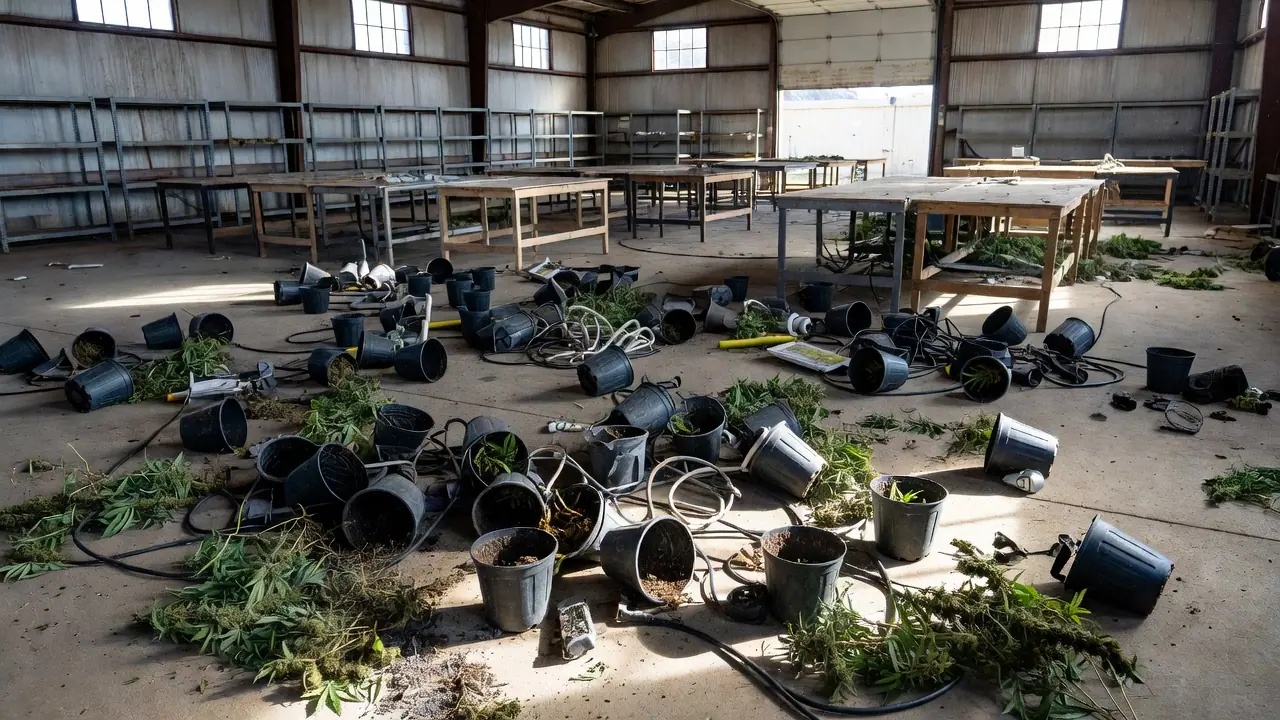
Ontario Provincial Police have charged two people after seizing more than $850,000 worth of illicit cannabis and taking apart what police describe as a commercial-scale grow operation in Tyendinaga Township, about 10 kilometres east of Belleville. Years after legalization, growing and selling cannabis outside the licensed system can still lead to serious charges. It is one of many legal developments affecting Ontarians worth understanding.
According to police, the investigation began in October. The OPP Joint Forces Cannabis Enforcement Team (PJFCET) started looking into a suspected illegal cannabis production site on a property in the township after a member of the public contacted police with a tip.
On Oct. 29, officers carried out a search warrant at the property. Members of the PJFCET and the OPP's Emergency Response Team took part, along with officers from Lennox and Addington County OPP. Police arrested two people at that time.
Police say they seized 900 cannabis plants, 190 kilograms of cannabis, 215 kilograms of cannabis shake and 125 cannabis clones. Shake is the loose leftover material from the plants, and clones are cuttings used to start new plants. Officers also seized three cellphones. In a news release issued on Wednesday, Nov. 18, 2026, police estimated the total street value of the cannabis at $850,000.
A 58-year-old and a 64-year-old, both from Tyendinaga Township, are each charged with possession of illicit cannabis for the purpose of distribution and with cultivating illicit cannabis. Both were released from custody. They are scheduled to appear before the Ontario Court of Justice in Napanee on Jan. 26. The allegations have not been tested in court, and anyone charged with an offence in Canada is presumed innocent unless and until a court decides otherwise.
The case is not the first large cannabis seizure in the area this fall. In September, the OPP seized nearly $3 million in illicit cannabis on Tyendinaga Mohawk Territory and charged eight men. Police are asking anyone with information about the illegal production or sale of cannabis to contact the OPP at 1-888-310-1122.
Key Takeaways
OPP say a tip from the public led to a search warrant at a property in Tyendinaga Township, about 10 km east of Belleville, on Oct. 29.
Police report seizing 900 plants, 190 kg of cannabis, 215 kg of shake, 125 clones and three cellphones, with an estimated street value of $850,000.
A 58-year-old and a 64-year-old from the township are charged with possession of illicit cannabis for the purpose of distribution and cultivating illicit cannabis.
Both were released and are scheduled to appear in the Ontario Court of Justice in Napanee on Jan. 26. The allegations have not been tested in court.
Ontario adults 19+ may legally grow up to four cannabis plants per residence and must buy from licensed sources.
UL Lawyers Insight
For most Ontarians, this case is a useful reminder of where the legal line sits. Adults 19 and older in Ontario can legally buy cannabis from the Ontario Cannabis Store or an authorized retail store. They can also grow up to four plants per residence for personal use. That limit applies to the household, not to each person living there. Large-scale growing, or growing cannabis to sell outside the licensed system, falls outside those rules.
The story also shows that tips from the public can start a police investigation. Neighbours who notice unusual activity can report it confidentially to police.
Property owners and landlords may face their own concerns when a property is used to grow cannabis. These can include property damage, mould, electrical hazards and insurance questions. Many home insurance policies include exclusions tied to illegal activity, so it is worth reading your policy's terms before a problem arises. Our legal resource library offers plain-language guides on property, insurance and other everyday legal issues.
Action Checklist
What You Should Do
Confirm you are within Ontario's home-grow limit
Adults 19+ may grow up to four cannabis plants per residence, no matter how many people live there.
Buy cannabis, seeds and seedlings only from legal sources
Use the Ontario Cannabis Store or an authorized retail store to stay within the licensed system.
Review your home insurance policy for illegal-activity exclusions
Some policies may limit coverage for damage connected to grow-ops, so know your terms before a problem arises.
Landlords: inspect rental units properly and regularly
Give 24 hours' written notice under the Residential Tenancies Act and enter between 8 a.m. and 8 p.m.
Report suspected illegal grow operations to the OPP
Call 1-888-310-1122 with information about illegal cannabis production or sales.
Document any damage if your property was used for a grow-opUrgent
Photos, repair estimates and records support insurance claims and any civil action.
Note the two-year limitation period for civil claimsUrgent
Ontario's Limitations Act, 2002 generally gives you two years to sue for property damage or losses.
Your Rights and Options
Everyone charged with an offence in Canada has the right to be presumed innocent under section 11(d) of the Canadian Charter of Rights and Freedoms. That is why the two people in this case are described only as charged, and their court date in Napanee is the next step. If you grow cannabis at home, staying within the four-plant-per-residence limit and buying seeds or plants from a legal source helps keep you within the law.
If you are a landlord and suspect a rental unit is being used to grow cannabis, the Residential Tenancies Act, 2006 generally requires 24 hours' written notice before you enter, with entry between 8 a.m. and 8 p.m. If a grow-op damages your property, Ontario's Limitations Act, 2002 generally gives you two years to start a civil claim. If you have questions about protecting your property, you can request a consultation with our team.
Common Questions Answered
How UL Lawyers Can Help
Finding out that a home or rental property may have been used for illegal activity can feel overwhelming. You may be worried about damage, insurance coverage or what comes next with a tenant. You do not have to sort through it alone. Our team can explain your options in plain language. We can review your lease or insurance policy and help you understand whether you may have a civil claim for losses. We can also walk you through the deadlines that may apply to you. Reach out for a free consultation, and we will help you figure out the right next step for your situation.
Worried about how a grow-op or illegal activity could affect your home or rental property? Our team is happy to talk through your options in a free, no-pressure consultation.
Ontario Road Report
One email a week with the road and collision stories we covered in your city and across Ontario.
About this article:
Summary prepared with AI assistance from the linked source's reporting. Edited by UL Lawyers for Ontario context.
Accompanying images are AI-generated illustrations, not photographs of actual events or persons.
Important Legal Disclaimer
This page summarizes publicly reported information about criminal charges near Belleville and provides general information about Ontario cannabis, tenancy and property law. It is not legal advice. The charges described have not been tested in court, and the accused are presumed innocent. Laws and limits can change, and every situation is different, so please speak with a qualified lawyer about your specific circumstances.
Source: TheTorontoSun
Named in this article? Request content removal